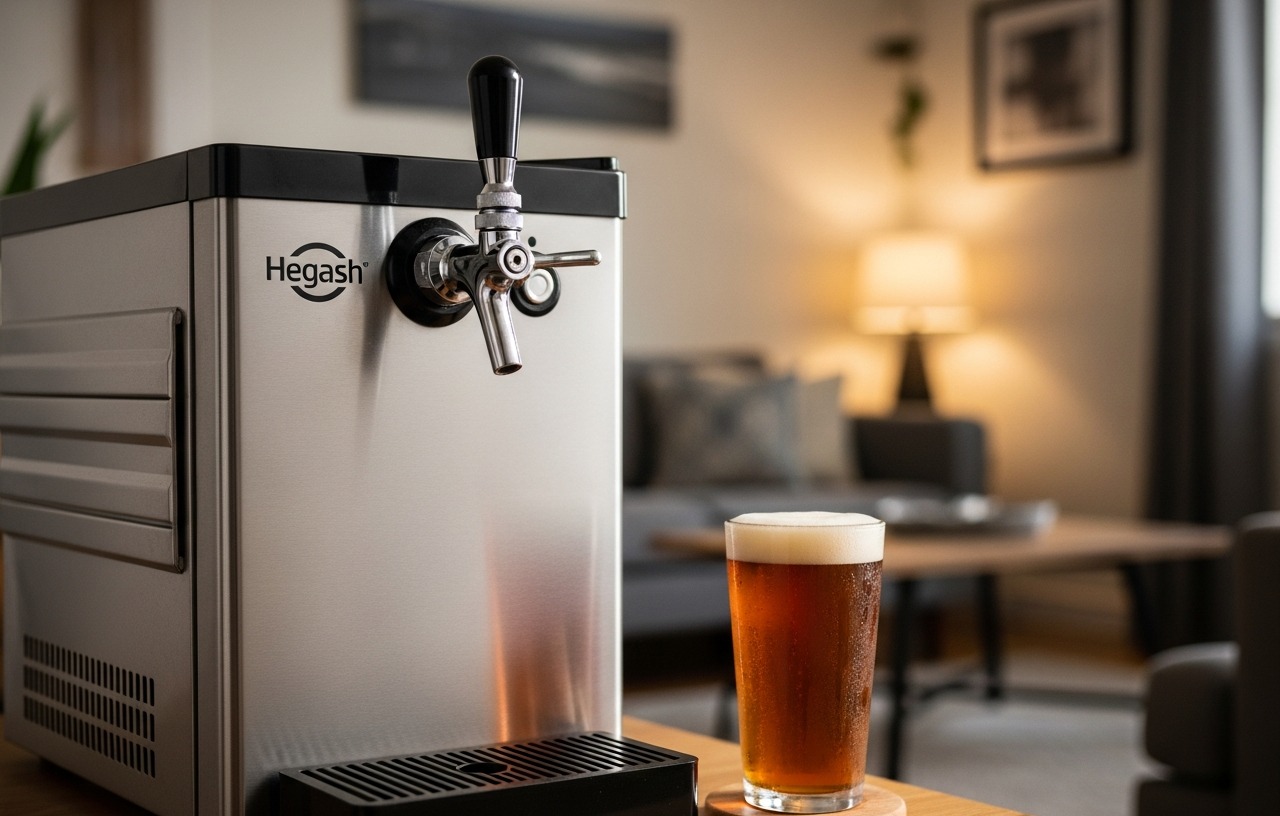
A stout faucet, often called a creamer faucet or Irish stout faucet, is specifically engineered to dispense nitrogenated beers, producing the characteristic cascading pour and thick, stable head associated with styles like Irish dry stout. This distinct serving method relies on a precise combination of gas pressure and faucet design, differing significantly from standard beer faucets used for CO2-carbonated beverages.
The Anatomy of a Stout Faucet
Stout faucets have several key components that differentiate them from standard draft beer faucets. These parts work in concert to create the desired pour effect.
Restrictor Plate
The most defining feature of a stout faucet is its restrictor plate, also known as a diffuser or creamer disc. This small, perforated disc sits at the end of the faucet's spout. It typically contains between five and eight tiny holes, each with a diameter of approximately 0.015 to 0.025 inches (0.38 to 0.64 mm). When beer flows through these minuscule openings under high pressure, the dissolved nitrogen gas is forced out of solution.
Spout and Nozzle
The faucet's spout is generally longer and narrower than a standard faucet. This design helps maintain back pressure and guides the beer flow. The nozzle, often with a small tip, directs the beer into the glass, aiding in the formation of the head.
Lever and Flow Control
Stout faucets typically feature a longer pull handle or lever. This longer lever provides greater mechanical advantage, allowing for precise control over the flow rate, which is important for achieving the perfect pour. Some models include an adjustable flow control mechanism, giving the brewer even finer command over the dispense.
How a Stout Faucet Creates the Cascade
The magic of a stout faucet lies in its ability to rapidly degas the beer as it leaves the tap. Here is the process:
- High Pressure Nitrogen: Nitrogenated beers are typically served at higher pressures, often between 25-35 PSI, using a blend of nitrogen and carbon dioxide (typically 75% nitrogen, 25% CO2, often called "G-Mix" or "Beer Gas"). This higher pressure is necessary to force the beer through the restrictor plate.
- Rapid Degassing: As the beer, supersaturated with nitrogen, hits the restrictor plate, the sudden drop in pressure and the turbulence caused by passing through the small holes forces the nitrogen out of solution.
- Bubble Nucleation: These tiny nitrogen bubbles nucleate rapidly, creating a dense cloud within the beer as it enters the glass. Because nitrogen bubbles are smaller and less soluble than CO2 bubbles, they rise slowly through the liquid.
- The Cascade Effect: The rising bubbles create a convection current. Bubbles near the glass walls are pushed downwards by the descending liquid, while bubbles in the center rise. This counter-current flow gives the visual effect of bubbles cascading downwards before eventually settling upwards, forming a thick, creamy head.
Why Homebrewers Use Stout Faucets
Homebrewers invest in stout faucets to replicate the distinctive experience of a professionally poured nitrogenated beer. This goes beyond mere aesthetics; it impacts the beer's aroma, mouthfeel, and overall flavor presentation.
For Nitrogenated Beer Styles
The primary reason is to properly serve beer styles like Irish Dry Stout, Oatmeal Stout, Milk Stout, or other darker beers specifically brewed to be nitrogenated. A standard faucet simply cannot achieve the same creamy texture and cascading visual effect, even if the beer itself is properly nitrogenated.
Enhanced Mouthfeel and Aroma
The dense, compact head produced by a stout faucet contributes to a smoother, creamier mouthfeel. The smaller nitrogen bubbles create a velvety texture that CO2 alone cannot replicate. This head also traps volatile aromatics, releasing them gradually as the beer is consumed, enhancing the sensory experience.
Beyond Beer: Nitro Coffee and Tea
The application of stout faucets extends beyond beer. Many homebrewers and hobbyists also use them to dispense nitro cold brew coffee or even nitrogenated teas. The physics remain the same: high pressure forces nitrogen out of solution, creating a frothy, creamy texture without the need for milk or sugar.
Setting Up a Stout Faucet for Homebrew
Integrating a stout faucet into a home draft system requires specific components. A standard kegerator setup can often be adapted. For those looking to convert an existing refrigerator into a draft system, resources like the Best Kegerator Conversion Kits article can provide guidance.
Required Equipment
- Stout Faucet: The specialized faucet itself.
- Shank: To mount the faucet through a kegerator door or draft tower.
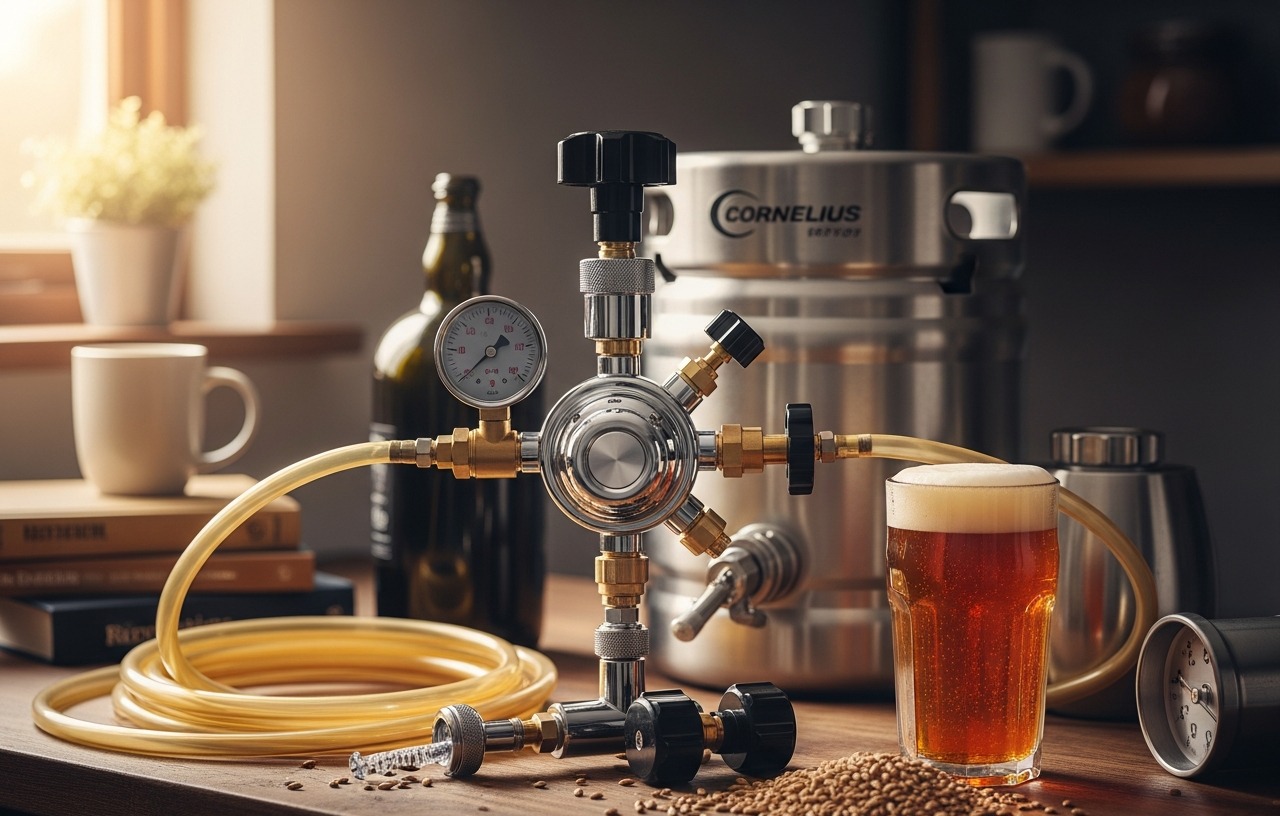
- Keg: A standard 5-gallon ball lock or pin lock keg. Standard CO2 regulators are not compatible with nitrogen tanks due to different tank valve fittings and higher pressure requirements. Pure CO2 will not produce the desired effect.
- High Pressure: Nitrogenated beers are served at higher pressures, typically 25-35 PSI. Adjust your nitrogen regulator accordingly.
- Serve Cold: Keep your beer or cold brew at refrigerator temperatures (38-40°F or 3-4°C). Colder liquids hold dissolved gases better, leading to a more consistent pour.
- The Two-Part Pour: For a perfect stout pour, tilt the glass at a 45-degree angle and open the faucet fully. Fill the glass about three-quarters full, then close the faucet and let the beer cascade for about 30-60 seconds. Finish the pour by holding the glass upright and slowly pushing the faucet handle back to dispense the creamy head. This technique is often called "creaming."
- Regular Cleaning: Due to the restrictor plate's small holes, stout faucets can clog more easily than standard faucets. Disassemble and clean the faucet regularly, especially the restrictor plate, to maintain optimal performance.
Cost Considerations for a Stout Faucet Setup
The cost of a stout faucet itself is typically higher than a standard chrome beer faucet. A basic chrome stout faucet might range from $40-$70, while more premium stainless steel or specialized models can cost $80-$150 or more. This does not include the cost of the nitrogen regulator, which can be $80-$200, or the nitrogen tank, which has an initial purchase cost of $150-$300 plus refill costs. For those just starting with homebrewing, a Best Homebrew Starter Kits will likely focus on CO2 systems first, but a stout faucet is a common upgrade for advanced setups.
Maintenance and Cleaning
Proper maintenance is essential for a stout faucet's longevity and performance. The small openings in the restrictor plate are prone to sugar and protein buildup from beer, which can lead to clogs and an inconsistent pour. Disassemble the faucet after every few uses, or at least once a month, for a thorough cleaning.
Soak all components in a warm solution of a specialized beer line cleaner, such as PBW (Powdered Brewery Wash) or Star San. Use a small brush to clean the restrictor plate holes and the inside of the spout. Rinse all parts thoroughly with clean water before reassembling. This diligent cleaning helps prevent off-flavors and maintains the faucet's ability to produce that signature cascade.
Comparing Stout Faucets to Standard Faucets
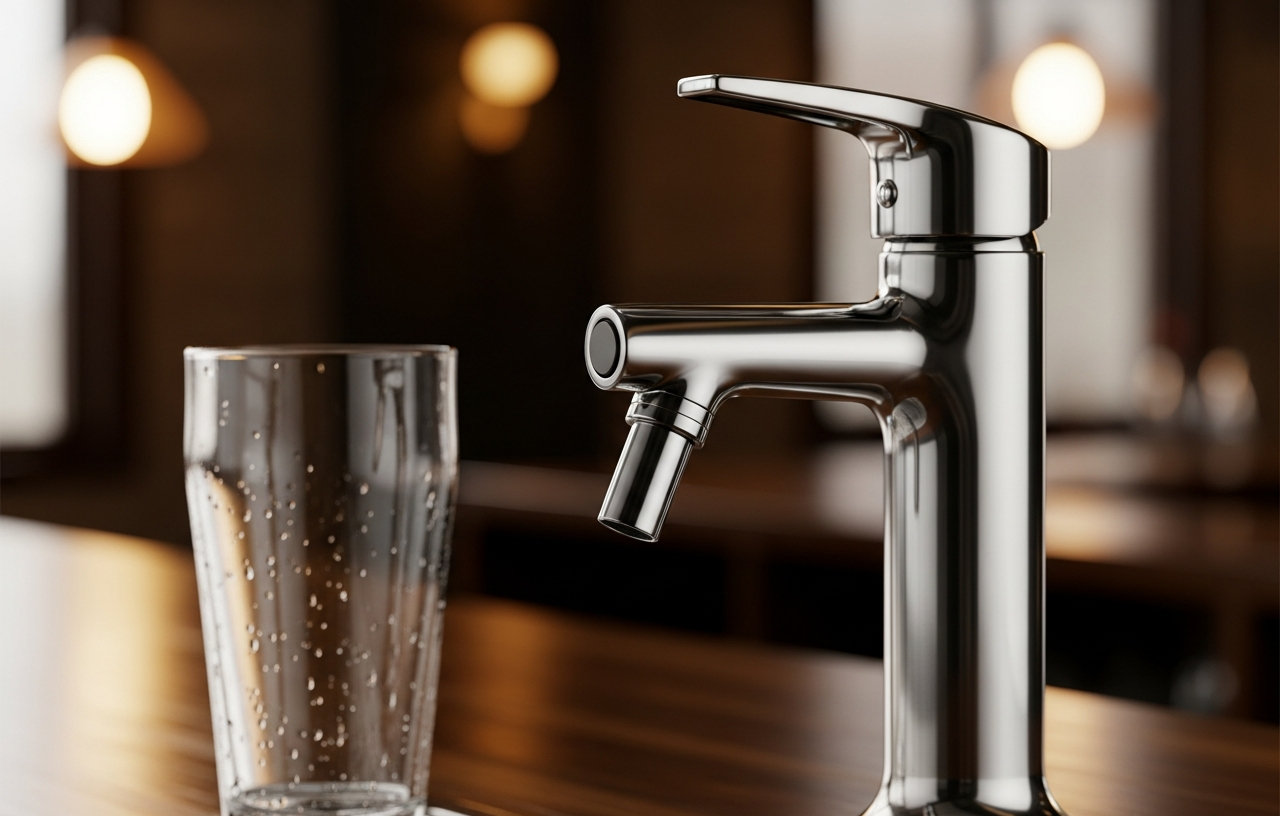
The fundamental difference between a stout faucet and a standard beer faucet (like a Perlick 630SS or similar) lies in their internal design and purpose. They typically have a wider bore and no restrictor plate.
A stout faucet, by contrast, deliberately creates extreme turbulence at the point of dispense to force nitrogen out of solution. This engineering makes it unsuitable for standard CO2-carbonated beers, as it would cause excessive foaming and a messy pour. Conversely, a standard faucet cannot properly dispense nitrogenated beer with the desired cascade and creamy head. Each faucet type serves a distinct purpose, optimized for different gas delivery systems and beer characteristics.