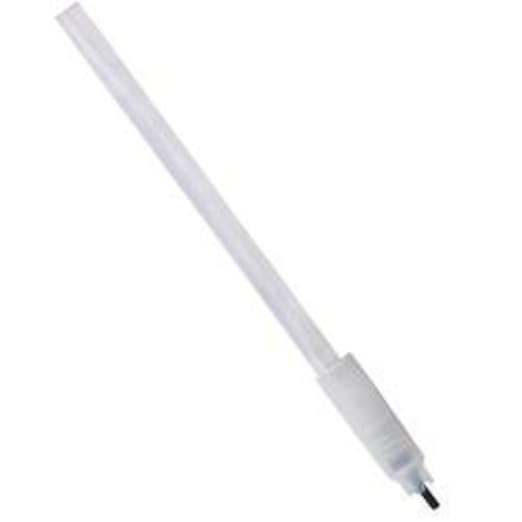
1 X 3/8" Bottle Filler
- Spring loaded bottle filler
- Great for wine or beer
- Spring tip closure prevents splashing
- Removable spring
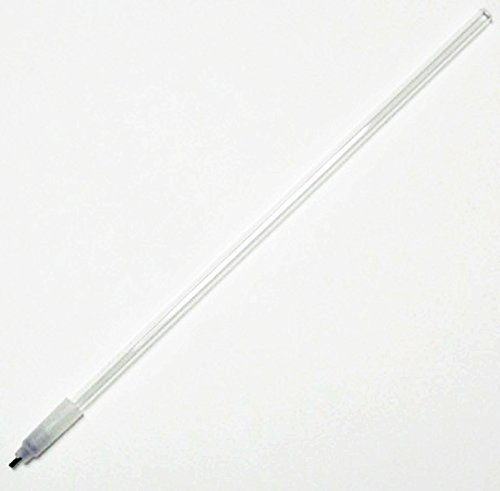
HOZQ8-193 3/8" Bottle Filler with Spring
- Spring loaded bottle filler
- Great for wine or beer
- Spring tip closure prevents splashing
- Item Package Dimension: 0.5" L x 0.5" W x 15.0" H
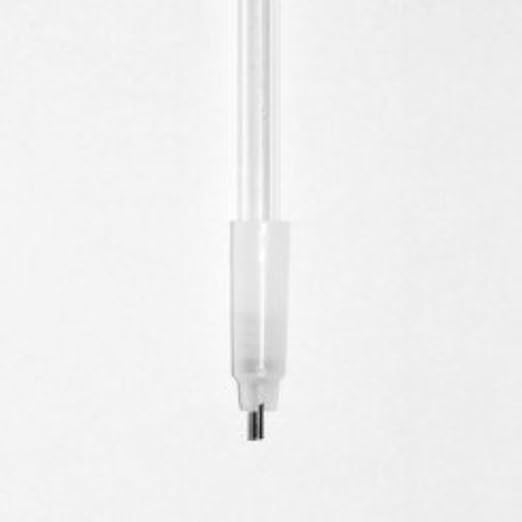
Plastic Spring Tip Bottle Filler
- Plastic 3/8" OD bottle filler with gravity-operated valve
- 3/8" Outer diameter - Use with 3/8" tubing (not included)
- Automatic foot-valve on the bottom end for quick and easy shut-off between filling bottles
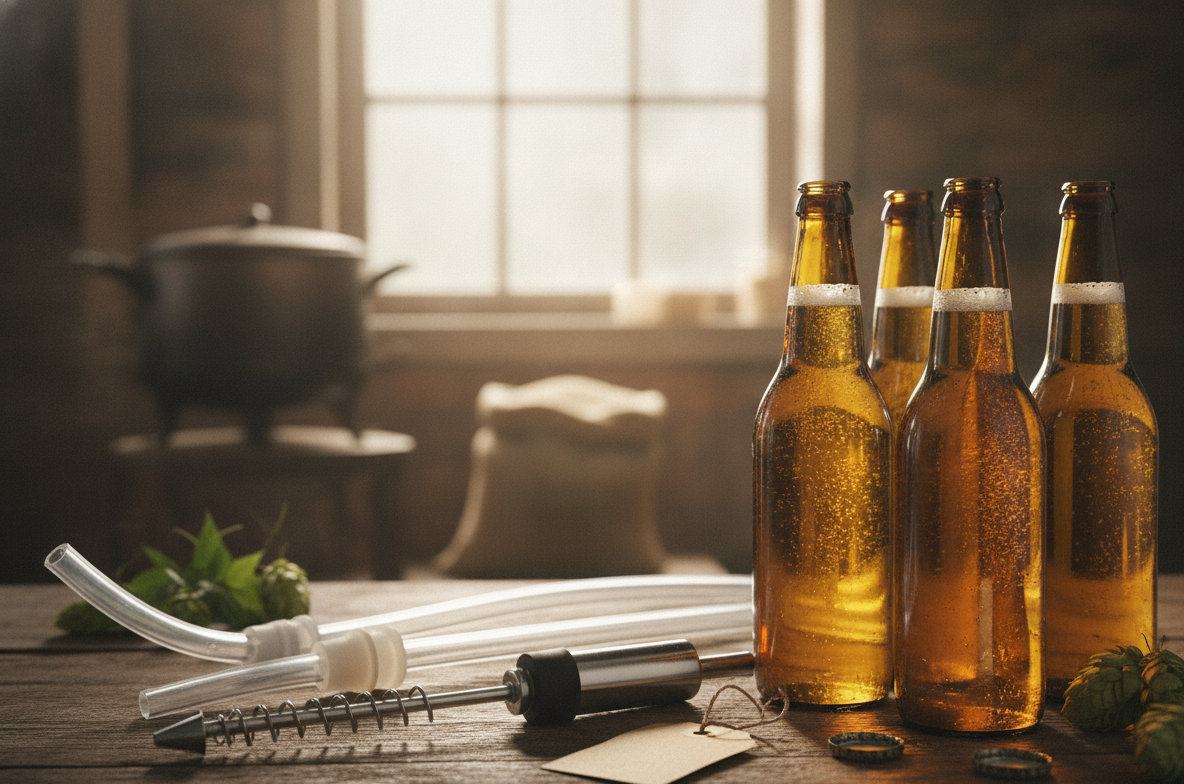
Packaging homebrewed beer into bottles requires precision to avoid oxidation and excess sediment. The best tool for this job is a bottling wand, which fills bottles from the bottom up. For homebrewers seeking a reliable and efficient bottling experience, the 1 X 3/8" Bottle Filler Its robust stainless steel construction, spring-loaded tip, and anti-splashing design make it an essential piece of equipment for producing professional-quality bottles of beer or wine.
Why a Bottling Wand is Essential for Homebrewers
Bottling homebrewed beer or wine is often the final step before enjoyment. This stage, however, presents several challenges. Introducing oxygen during bottling can lead to oxidized flavors, often described as papery or stale. Disturbing the yeast sediment at the bottom of your fermentation vessel can also transfer unwanted particles into your bottles, affecting clarity and potentially contributing off-flavors.
A bottling wand solves these problems by allowing you to fill bottles from the bottom up. This method minimizes agitation and splashing, which are primary causes of oxygen pickup. It also helps leave yeast sediment undisturbed in the fermenter, resulting in clearer finished products. These simple devices connect to a siphon hose from your fermentation vessel and feature a valve at the tip that opens when pressed against the bottom of a bottle and closes when lifted. This precise control makes bottling a quicker, cleaner, and more efficient process.
Top Pick: 1 X 3/8" Bottle Filler
The 1 X 3/8" Bottle Filler consistently receives high marks from homebrewers for its solid performance and reliable construction. This wand is crafted from stainless steel, offering excellent durability and resistance to corrosion from sanitizers and various brewing liquids. Its design focuses on simplicity and effectiveness, making it a favorite for both new and experienced brewers.
Key Features
- Spring-loaded tip for precise flow control.
- Suitable for bottling both beer and wine.
- Spring tip closure prevents splashing and excessive foaming.
- 3/8" outer diameter (OD) fits standard 3/8" inner diameter (ID) tubing.
Pros
- Durable Construction: The stainless steel body ensures a long lifespan, even with frequent use and proper sanitization.
- Excellent Flow Control: The spring-loaded mechanism provides a smooth, consistent flow, making it easy to fill bottles to the desired level without overflow.
- Reduced Oxidation: Filling from the bottom up, combined with the anti-splashing tip, significantly minimizes oxygen exposure.
Cons
- The spring mechanism can occasionally become sticky if not thoroughly cleaned after each use. Regular rinsing and sanitizing are vital.
Best Suited For
This bottling wand is ideal for any homebrewer who values durability and precise control. It is a workhorse that performs reliably for batch after batch, suitable for those who bottle frequently or who want to upgrade from a basic plastic filler. Its robust build makes it a worthwhile investment for serious hobbyists.
Option 2: HOZQ8-193 3/8" Bottle Filler with Spring
The HOZQ8-193 3/8" Bottle Filler offers another excellent stainless steel option, sharing many of the desirable characteristics of the top pick. This model is often praised for its consistent operation and ease of cleaning, making it a strong contender for anyone looking for a dependable bottling solution.
Key Features
- Spring-loaded bottle filler design.
- Versatile for use with both wine and beer.
- Spring tip closure effectively prevents splashing.
- Constructed for hygienic use in homebrewing.
Pros
- Reliable Performance: Users report very consistent operation, with the spring mechanism providing smooth and predictable filling every time.
- Easy to Sanitize: The stainless steel construction makes it simple to clean and sanitize thoroughly, helping prevent contamination.
- Ergonomic Design: Its balanced feel in hand makes extended bottling sessions less fatiguing.
Cons
- The spring can be slightly stiffer than some other models, requiring a bit more pressure to activate, which might be a minor adjustment for some users.
Best Suited For
This wand is perfect for brewers who prioritize consistent mechanical action and ease of maintenance. If you appreciate a solid feel and a bottling wand that stands up to rigorous cleaning protocols, the HOZQ8-193 is an excellent choice. It performs exceptionally well across various bottle types and sizes.
Option 3: Plastic Spring Tip Bottle Filler
For brewers seeking a lightweight and budget-friendly option, the Plastic Spring Tip Bottle Filler offers a viable alternative.
Key Features
- Plastic 3/8" OD bottle filler with a gravity-operated valve.
- 3/8" Outer diameter, designed for use with 3/8" tubing (not included).
- Automatic foot-valve on the bottom end for quick and easy shut-off between filling bottles.
Pros
- Lightweight: The plastic construction makes it very light, reducing wrist fatigue during long bottling runs.
- Affordability: Generally less expensive than stainless steel options, making it a good entry-level choice for beginners just getting started with homebrew starter kits.
- Visible Flow: The translucent plastic allows you to see the beer flowing, which can be helpful for monitoring.
Cons
- Less Durable: Plastic can scratch more easily than stainless steel, potentially harboring bacteria if not handled carefully. It may also warp with exposure to very hot water.
- Reduced Longevity: While functional, plastic typically does not last as long as metal under regular use.
Best Suited For
This plastic bottling wand is an excellent choice for beginner homebrewers, those on a tighter budget, or individuals who bottle infrequently. It provides reliable functionality without a significant upfront investment. It is also suitable for brewers who prefer a lightweight tool and are diligent about gentle cleaning and storage.
How to Use Your Bottling Wand Effectively
Using a bottling wand correctly ensures sediment-free, well-filled bottles. First, make sure your wand and all tubing are thoroughly cleaned and sanitized. Attach one end of your siphon tubing to the bottling wand and the other end to your sanitized fermentation vessel's spigot or auto-siphon. Position the vessel higher than your bottles to create a gravity-fed flow.
To begin filling, insert the bottling wand into a bottle, pressing the tip against the bottom. This opens the valve and allows beer to flow. Fill the bottle until the liquid reaches just below the rim of the bottle neck. This leaves adequate headspace for carbonation. Lift the wand out of the bottle, and the valve will close, stopping the flow. Move quickly to the next bottle to maintain efficiency and minimize oxygen exposure. Repeat the process until all bottles are filled.
Cleaning and Sanitizing Your Bottling Wand
After each bottling session, immediately rinse the wand with clean water to remove any beer residue. Disassemble any parts that can be easily separated, such as the spring mechanism if applicable, for a more thorough cleaning.
Use a brewing-specific cleaner, like PBW or OxiClean Free, to soak the wand and tubing. Follow the cleaner's instructions for soak time and concentration. After cleaning, rinse again thoroughly with clean water. Finally, sanitize the wand just before your next bottling session using a no-rinse sanitizer like Star San or iodine-based sanitizers. Make sure the wand is completely immersed in the sanitizing solution for the recommended contact time. Allow it to air dry, or shake off excess sanitizer; do not wipe it dry with a cloth, as this can reintroduce contaminants.
Troubleshooting Common Bottling Issues
Even with a good bottling wand, issues can arise. Understanding how to troubleshoot them helps maintain smooth operations.
- Slow Flow: A slow flow often indicates a clog in the tubing or wand, or insufficient height difference between your fermenter and bottles. Check for kinks in the tubing. Make sure the wand's tip is fully depressed. Elevate your fermenter further to increase gravity pressure.
- Excessive Foam: Too much foam can make it difficult to determine the fill level and can lead to overfilling or excessive beer loss. This might be caused by the beer being too warm, or carbonation already present. Make sure your beer is properly chilled before bottling. Some brewers find a small amount of anti-foaming agent helpful, though this is rare for homebrewing. The anti-splashing design of these wands helps prevent this, but very vigorous pressing can still create foam.
- Dripping After Lifting: If the wand continues to drip after being lifted from the bottle, the valve might be sticky or have a small piece of debris caught in it. This usually requires a thorough cleaning or inspection of the spring mechanism. Sometimes, the spring itself might be weakened over time, requiring replacement of the wand.
- Sediment in Bottles: Despite using a wand, you might still find sediment. This often means the siphon tube or wand was inserted too deep into the yeast cake during transfer from the fermenter. Consider cold crashing your beer for a few days before bottling to compact the yeast. Transferring carefully is always important.
Final Thoughts on Choosing a Bottling Wand
Selecting the correct bottling wand significantly improves the quality and enjoyment of your homebrewing experience. Whether you opt for the robust stainless steel durability of the 1 X 3/8" Bottle Filler or the HOZQ8-193 3/8" Bottle Filler with Spring, or the lightweight practicality of the Plastic Spring Tip Bottle Filler, each option offers a distinct advantage. Consider your frequency of brewing, budget, and preference for materials when making your decision.
A well-chosen bottling wand ensures minimal oxidation, cleaner beer, and a more efficient bottling day. This investment will pay dividends in the quality of your finished homebrewed beer or wine, allowing you to share your creations with pride.
1 X 3/8" Bottle Filler
- Spring loaded bottle filler
- Great for wine or beer
- Spring tip closure prevents splashing
- Removable spring
HOZQ8-193 3/8" Bottle Filler with Spring
- Spring loaded bottle filler
- Great for wine or beer
- Spring tip closure prevents splashing
- Item Package Dimension: 0.5" L x 0.5" W x 15.0" H
Plastic Spring Tip Bottle Filler
- Plastic 3/8" OD bottle filler with gravity-operated valve
- 3/8" Outer diameter - Use with 3/8" tubing (not included)
- Automatic foot-valve on the bottom end for quick and easy shut-off between filling bottles