
One Step No Rinse Cleanser (1 lb) Homebrew Cleaner in Foil Pouch
- [NO RINSE CLEANSER] One step powder is the original no rinse cleanser for brewing. It gives a non alkaline.
- [MULTI PURPOSE] One Step cleanser is a non-foaming brewer cleanser used with any homebrew sanitizer.
- [USE IT ANYWHERE] One step cleanser is formulated to be used as both a standard brewing cleaner and a.
- [HOW IT WORKS] Mix One tablespoon of One Step beer sanitizer with one gallon of warm water to prepare your.

Craft A Brew - One Step No Rinse Cleanser - For Cleaning At Home Brewing Equipment - Non-Foaming Cleanser - Safe & Easy to Use -
- Craft A Brew’s One Step No Rinse Cleanser is a high quality, non-foaming cleanser made to use on at home.
- Our One Step No Rinse Cleanser is safe, effective and easy to use. When dissolved in warm water, this.
- Once the hydrogen peroxide is done cleaning your equipment, One Step No Rinse Cleanser degrades back into.
- Dissolve one tablespoon in one gallon of warm water. Soak the equipment in the solution for at least 1.

FastRack One Step No Rinse Cleaner - 1 Lb. (1Step-1lb)
- 1 lb One Step No Rinse Cleaner
- Model Number: LDC One-Step-1LB
- Item Package Dimension: 4.599999995308" L x 3.399999996532" W x 1.099999998878" H
- Item Package Weight: 1.0 lb
Unwanted microbes are the silent saboteurs of homebrew. A single batch of off-flavor beer, kombucha, or mead often traces back to improper sanitization. This original no-rinse powder offers a non-alkaline formula that cleans effectively and degrades without leaving harmful residues, making it ideal for everything from carboys to kegs.
Brewing success hinges on cleanliness. Whether you are crafting beer, mead, or kombucha, preparing your equipment properly is essential. This means going beyond simple washing. You must sanitize. Effective sanitization removes or inactivates nearly all microorganisms that could spoil your batch. Skipping this step leads to off-flavors, infections, and wasted ingredients.
Why Sanitization is Critical for Home Brewing Equipment
Imagine spending hours brewing a perfect wort, only to have it taste like sour apples or band-aids. This common problem often results from inadequate sanitization. Wild yeasts, bacteria, and molds are everywhere. They are on your hands, in the air, and certainly on any brewing equipment that has not been thoroughly cleaned and sanitized. When these unwelcome guests enter your fermenter, they compete with your chosen yeast strain, producing undesirable byproducts.
Sanitizing your home brewing equipment protects your investment of time and ingredients. It creates a clean slate for your yeast to perform its best work, ensuring the flavors you intend to create shine through. This process is particularly important for any surface that will come into contact with your wort or beer after it has been boiled, especially during fermentation and packaging. Learning how to sanitize beer making equipment is a core skill for every brewer.
Understanding No-Rinse Cleansers for Brewing
Traditional sanitizing often involves multiple steps: cleaning, rinsing, then sanitizing with a chemical solution, followed by another rinse. No-rinse cleansers simplify this process significantly. Products like 'One Step' combine a powerful cleaning action with a mild sanitizing effect. They work by releasing oxygen, which helps break down organic matter and eliminates many spoilage organisms. The key benefit is that after application, they degrade into inert, harmless compounds, eliminating the need for a final rinse. This saves time and reduces the risk of introducing new contaminants from tap water.
Many home brewers trust these products as their primary method to sanitize brewing equipment. While some advanced setups or commercial operations might use stronger chemical sanitizers like Star San, no-rinse oxygen-based cleansers offer sufficient protection for most homebrewers. They are effective for sanitizing everything from glass carboys to plastic buckets, tubing, airlocks, and bottles. This powder is designed to be a true one-step solution, cleaning and preparing your equipment for fermentation without requiring a subsequent rinse. It's a non-alkaline formula, which is gentler on many materials compared to harsher cleaners. The product works by releasing oxygen, effectively breaking down organic residues and eliminating many common brewing contaminants. It is a non-foaming cleanser. This makes it easier to use in vessels where excessive foam could be an issue. According to manufacturer data, it degrades into inert compounds, leaving no film or residue that could affect your beer's flavor.
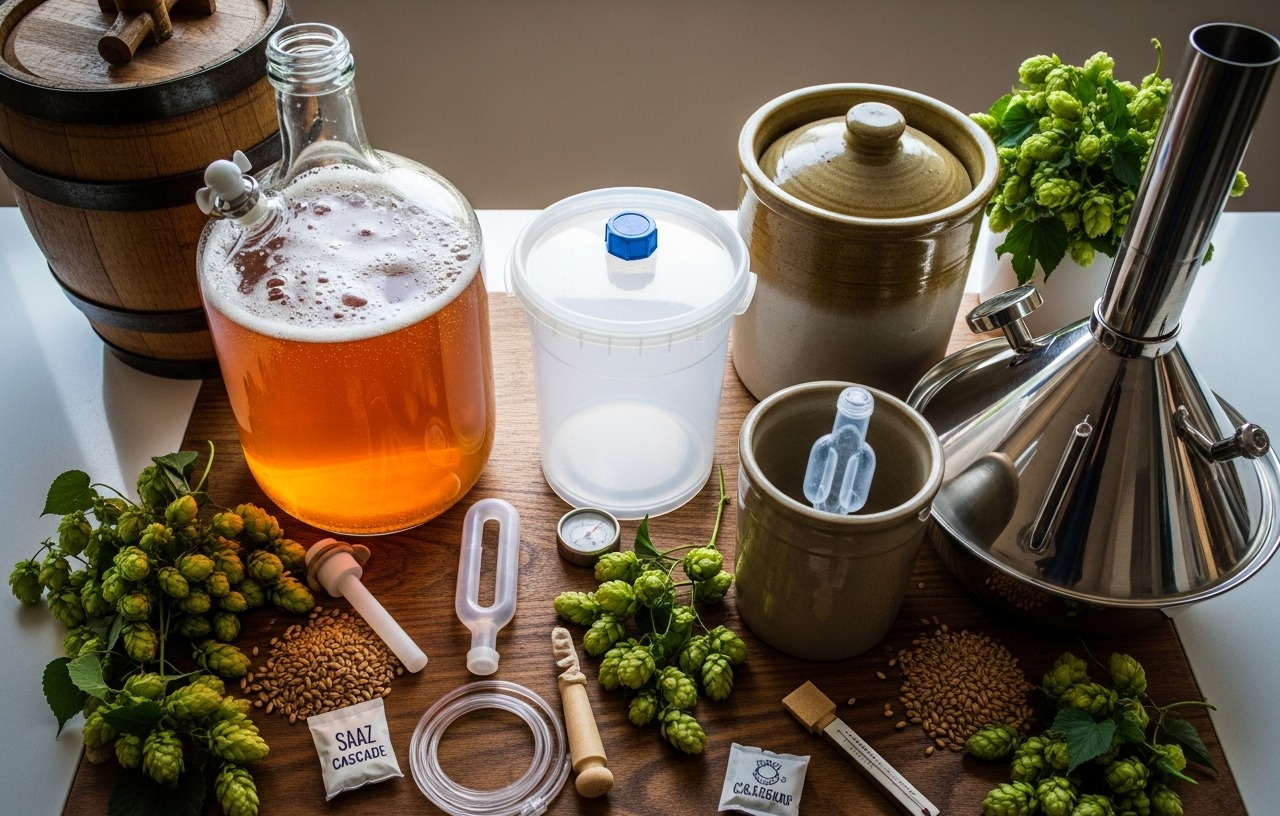
This product excels in versatility. You can use it across your entire brewing setup, from fermentation vessels like those reviewed in Best Fermentation Vessels for Beer to smaller items like airlocks and hydrometers. Its reliability and ease of use make it an excellent choice for brewers of all experience levels. Many brewers use it to sanitize mead equipment and kombucha vessels too.
- Pros: Original, trusted formula. Non-alkaline and gentle on equipment. Multi-purpose for cleaning and sanitizing. Non-foaming. Degrades into harmless compounds, no rinsing needed.
- Cons: Powder form requires careful measurement and dissolution. Some brewers may prefer a dedicated chemical sanitizer for absolute sterility.
Best For: This cleanser suits all home brewers looking for a reliable, easy to use, single-step cleaning and sanitizing solution. It is especially good for those who value tradition and a proven track record in their brewing practices.
Craft A Brew - One Step No Rinse Cleanser - For Cleaning At Home Brewing Equipment
Price: Approximately $15 - $22 for a 1 lb package.
Craft A Brew offers its own version of the popular 'One Step' no-rinse cleanser, tailored for at-home brewing equipment. This high quality, non-foaming cleanser is formulated to be both safe and effective. It dissolves easily in warm water, activating its cleaning and sanitizing properties. Researched from user reviews, many appreciate its ease of use. The product description highlights its hydrogen peroxide action, which contributes to its cleaning power and then safely degrades. This means you can confidently clean and prepare your equipment without worrying about chemical residues impacting your finished product.
This cleanser is a strong contender for those who value brand recognition and a slightly more premium offering within the 'One Step' category. It performs well for general home brewing tasks, from preparing your wort chiller to cleaning your bottling bucket. It helps how to sanitize beer equipment efficiently.
- Pros: high quality formulation. Non-foaming for easier application. Safe and easy to use. Degrades safely without residue.
- Cons: Can be slightly more expensive than generic alternatives. Limited size options might mean less bulk savings.
Best For: Brewers who prefer a well known brand and are willing to pay a little extra for a product with clear formulation details. It is an excellent choice for beginners setting up their first homebrew starter kit.
FastRack One Step No Rinse Cleaner - 1 Lb. This product delivers the trusted 'One Step' formula in a standard 1 lb package. It is designed to clean and provide sanitizing action for all your brewing needs without the need for rinsing. Based on product specs, it adheres to the core principles of an oxygen-based, non-alkaline cleanser. This makes it effective against organic soils and micro-organisms. It helps how to sanitize home brewing equipment without adding extra steps.
This option is particularly appealing for budget-conscious brewers or those who simply want a reliable product without extra frills. It performs the essential task of preparing your equipment for brewing, whether you are making a simple ale or a complex mead. It is a solid choice for maintaining cleanliness across various pieces of gear, including kegs for your kegerator conversion kit.
- Pros: cost effective. Reliable, standard 'One Step' formula. Easy to find and purchase. Effectively cleans and provides sanitizing action.
- Cons: Basic packaging. May not offer unique features or specialized formulations found in other brands.
Best For: Brewers prioritizing value and consistent performance. This is a great bulk buy for regular brewers who go through a lot of cleanser, or for those just learning how to sanitize for brewing.
How to Sanitize Brewing Equipment for Beer (and Other Fermented Drinks)
Using a no-rinse cleanser is a relatively simple process. Follow these steps to make sure your brewing equipment is properly prepared:
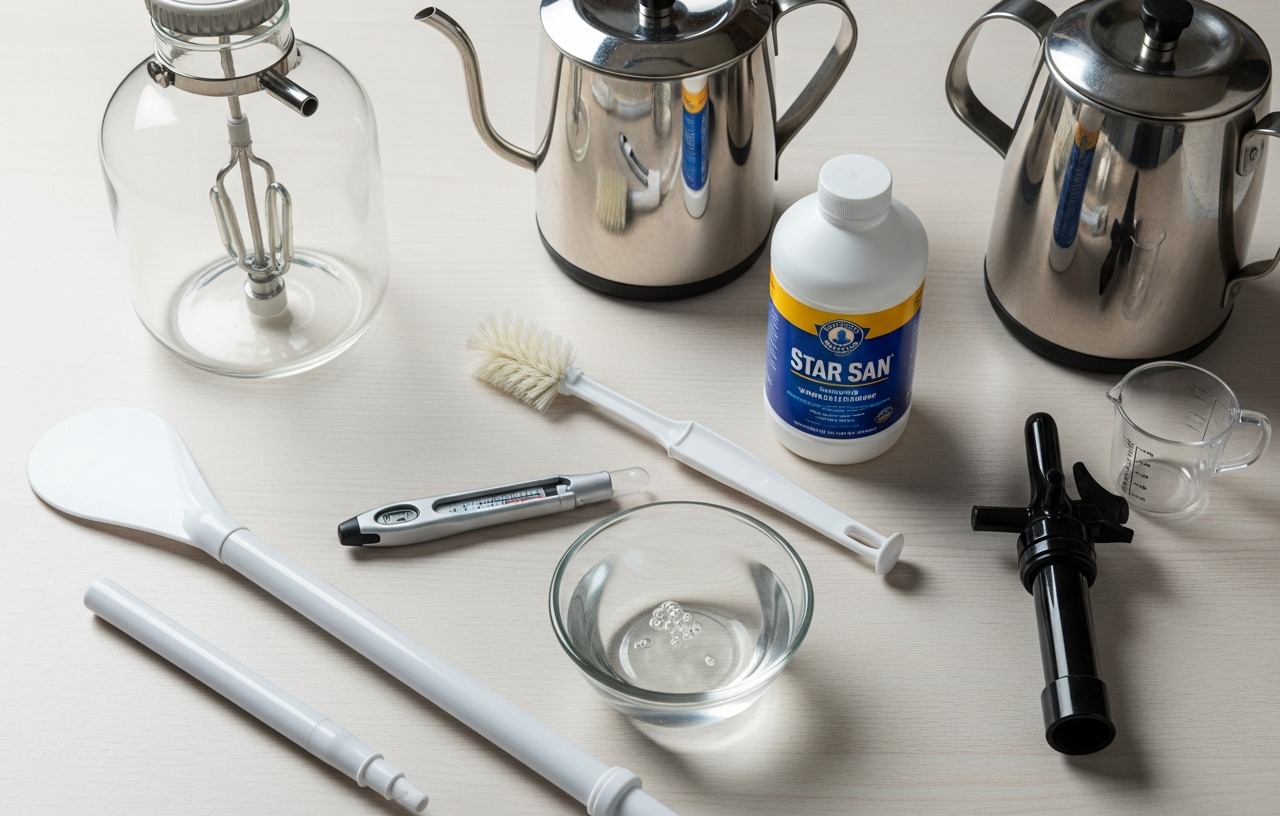
- Clean Visible Debris: Before sanitizing, make sure all your equipment is visibly clean. Scrub off any krausen, dried wort, or other organic matter. Use hot water and a brush if necessary. Cleaning removes the bulk of contaminants, allowing the sanitizer to work effectively on microscopic organisms.
- Prepare the Solution: Follow the manufacturer's instructions for dilution. Typically, you will mix one to two tablespoons of 'One Step' powder per gallon of warm water (around 70-120°F or 21-49°C). Stir until the powder is fully dissolved.
- Submerge or Fill Equipment: For small items like airlocks, stoppers, and tubing, submerge them completely in the solution. For larger items like fermenters or carboys, fill them with the solution. Make sure the solution comes into contact with all surfaces that will touch your wort or beer. If using a spray bottle, ensure full coverage.
- Allow Contact Time: The recommended contact time is usually 1-5 minutes, but always check the product label. This allows the oxygen to act on the microbial cells. Do not shorten this time.
- Drain and Use: After the recommended contact time, simply drain the solution from your equipment. No rinsing is necessary. The 'One Step' solution degrades into harmless compounds, so there is no residue to worry about. Your equipment is now ready for brewing.
- Store Properly (Optional): If you are sanitizing bottles or kegs for future use, drain them thoroughly and store them upside down on a drying rack to prevent dust or debris from settling inside.
Proper sanitization is the invisible foundation of great homebrew. It is not a step to rush or skip. A little attention here saves a lot of heartache later.
Key Considerations When Choosing a No-Rinse Cleanser
Choosing the right no-rinse cleanser involves a few factors beyond just brand. Here is what to consider:
- Cost: While prices are generally low (around $10-$20 for a 1 lb pouch, which lasts many batches), some brands offer better value per ounce, especially if purchased in larger quantities.
- Dissolvability: A good powder cleanser should dissolve quickly and completely in warm water, leaving no undissolved particles that could scratch equipment or reduce effectiveness.
- Foaming: Non-foaming formulas are often preferred, especially when sanitizing fermenters or bottles, as they reduce cleanup and make it easier to see if all surfaces are coated.
- Residue: The primary benefit of a no-rinse cleanser is its ability to degrade without leaving flavor-altering residues. Always confirm this property.
- Compatibility: Most 'One Step' products are safe for common brewing materials, including glass, stainless steel, and various plastics.
- Availability: Consider how easily you can repurchase your chosen product. Local homebrew shops or online retailers should stock it reliably.
Beyond Cleansing: Maintaining a Clean Brewing Environment
While no-rinse cleansers are highly effective, a holistic approach to cleanliness will serve you best. Always store your brewing equipment in a clean, dry place. Inspect tubing, seals, and gaskets regularly for wear and tear, as these can harbor bacteria. Consider having dedicated cleaning brushes for different types of equipment to prevent cross-contamination. For larger items like fermenters, a thorough initial scrub is always the best precursor to any sanitizing agent.
Remember that even with the best sanitizers, diligence is key. Every surface that touches your cooled wort or fermented product needs attention. This includes your fermentation temperature controller's probe, if it comes into contact with the liquid, and your bottling wand.
Final Thoughts on Sanitizing Brewing Equipment
Investing in a quality no-rinse cleanser like the One Step options reviewed here is a smart move for any homebrewer. It simplifies the vital process of how to sanitize brewing equipment. This allows you to focus on the creative aspects of brewing. The convenience of a no-rinse solution saves time and reduces potential contamination points, leading to more consistent and delicious batches of beer, mead, or kombucha. Choose the product that fits your budget and preferences, then brew with confidence.
One Step No Rinse Cleanser (1 lb) Homebrew Cleaner in Foil Pouch
- [NO RINSE CLEANSER] One step powder is the original no rinse cleanser for brewing. It gives a non alkaline.
- [MULTI PURPOSE] One Step cleanser is a non-foaming brewer cleanser used with any homebrew sanitizer.
- [USE IT ANYWHERE] One step cleanser is formulated to be used as both a standard brewing cleaner and a.
- [HOW IT WORKS] Mix One tablespoon of One Step beer sanitizer with one gallon of warm water to prepare your.
Craft A Brew - One Step No Rinse Cleanser - For Cleaning At Home Brewing Equipment - Non-Foaming Cleanser - Safe & Easy to Use -
- Craft A Brew’s One Step No Rinse Cleanser is a high quality, non-foaming cleanser made to use on at home.
- Our One Step No Rinse Cleanser is safe, effective and easy to use. When dissolved in warm water, this.
- Once the hydrogen peroxide is done cleaning your equipment, One Step No Rinse Cleanser degrades back into.
- Dissolve one tablespoon in one gallon of warm water. Soak the equipment in the solution for at least 1.
FastRack One Step No Rinse Cleaner - 1 Lb. (1Step-1lb)
- 1 lb One Step No Rinse Cleaner
- Model Number: LDC One-Step-1LB
- Item Package Dimension: 4.599999995308" L x 3.399999996532" W x 1.099999998878" H
- Item Package Weight: 1.0 lb