Opting for a new mini-fridge or a more advanced controller can push this range to $500-$800. Professional installation or a dedicated, pre-built chamber starts around $1,000 and can exceed $2,500, depending on features and capacity. Understanding these costs helps homebrewers plan their projects effectively.
The Value of Temperature Control in Fermentation
Temperature is perhaps the most critical factor in successful fermentation, whether you are brewing beer, kombucha, wine, or mead. Maintaining a stable temperature ensures yeast health, prevents off-flavors, and promotes consistent results. Wild temperature swings can stress yeast, leading to undesirable esters or fusel alcohols. A fermentation chamber provides a stable environment, allowing brewers to achieve specific flavor profiles and improve the overall quality of their beverages.
For those just starting out, managing fermentation temperature might seem like an advanced step. However, even beginners quickly learn the importance of consistency. Many homebrew starter kits focus on basic brewing, but temperature control takes production to the next level.
Key Components of a Fermentation Chamber and Their Costs
A basic fermentation chamber consists of several core components working together. Each component contributes to the overall cost and functionality.
The Enclosure: Refrigerator or Freezer
The foundation of most DIY fermentation chambers is a repurposed refrigerator or chest freezer. These appliances provide the insulated space needed to maintain a stable temperature.
- Used Mini-Fridge or Chest Freezer: This is the most budget-friendly option. You can often find suitable units on online marketplaces, at garage sales, or through appliance recycling centers. Costs typically range from $50 to $200. Look for units that are clean, in working order, and have enough internal space for your fermentation vessel.
- New Mini-Fridge: A new compact refrigerator offers reliability and a clean slate. These typically cost between $150 and $400, depending on size and features. A new upright freezer might cost $250-$600.
- New Chest Freezer: Chest freezers are popular for their large, open interior space, ideal for multiple fermenters or larger vessels. A new chest freezer can cost anywhere from $200 to $500.
The choice between a fridge and a freezer depends on your target fermentation temperatures. Freezers offer more cooling power and can reach lower temperatures, which is excellent for lagers or crash cooling. Refrigerators are often sufficient for ale fermentation temperatures.
The Temperature Controller
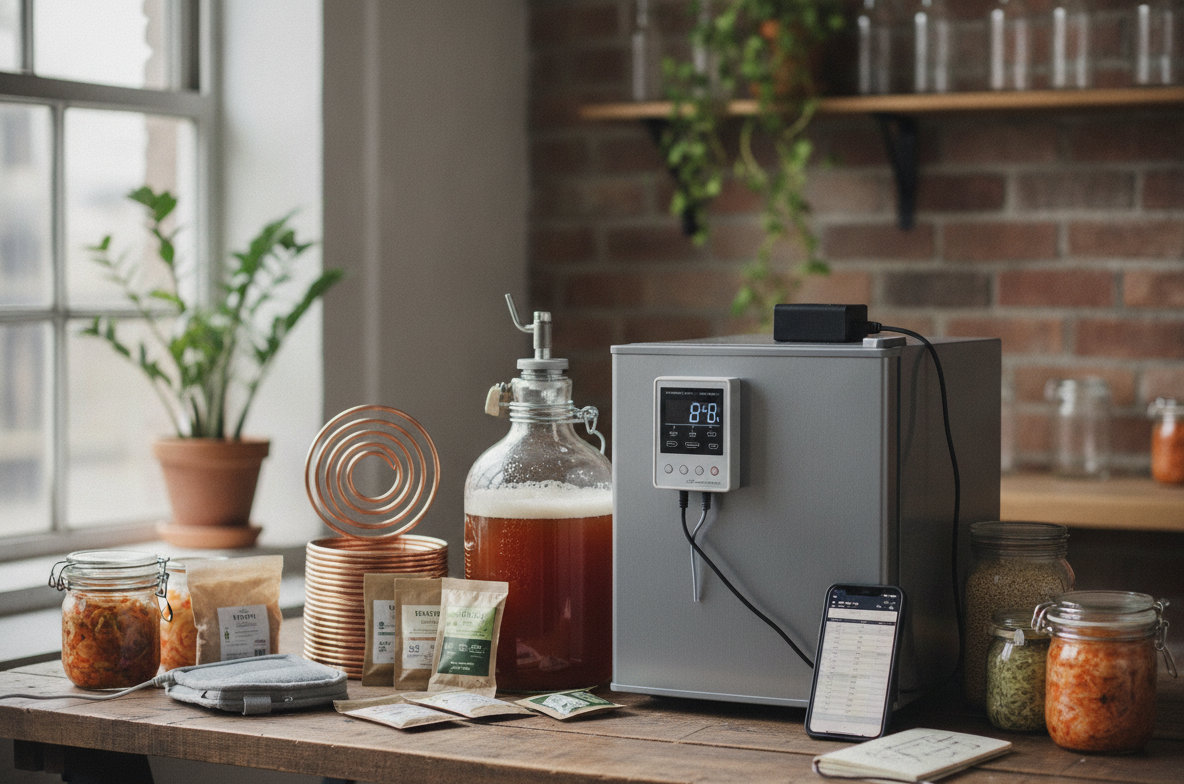
This device is the brain of your fermentation chamber. It plugs into a standard wall outlet, and your cooling (and heating) appliance plugs into it. The controller monitors the internal temperature of the chamber and activates the cooling or heating element as needed to maintain a set temperature.
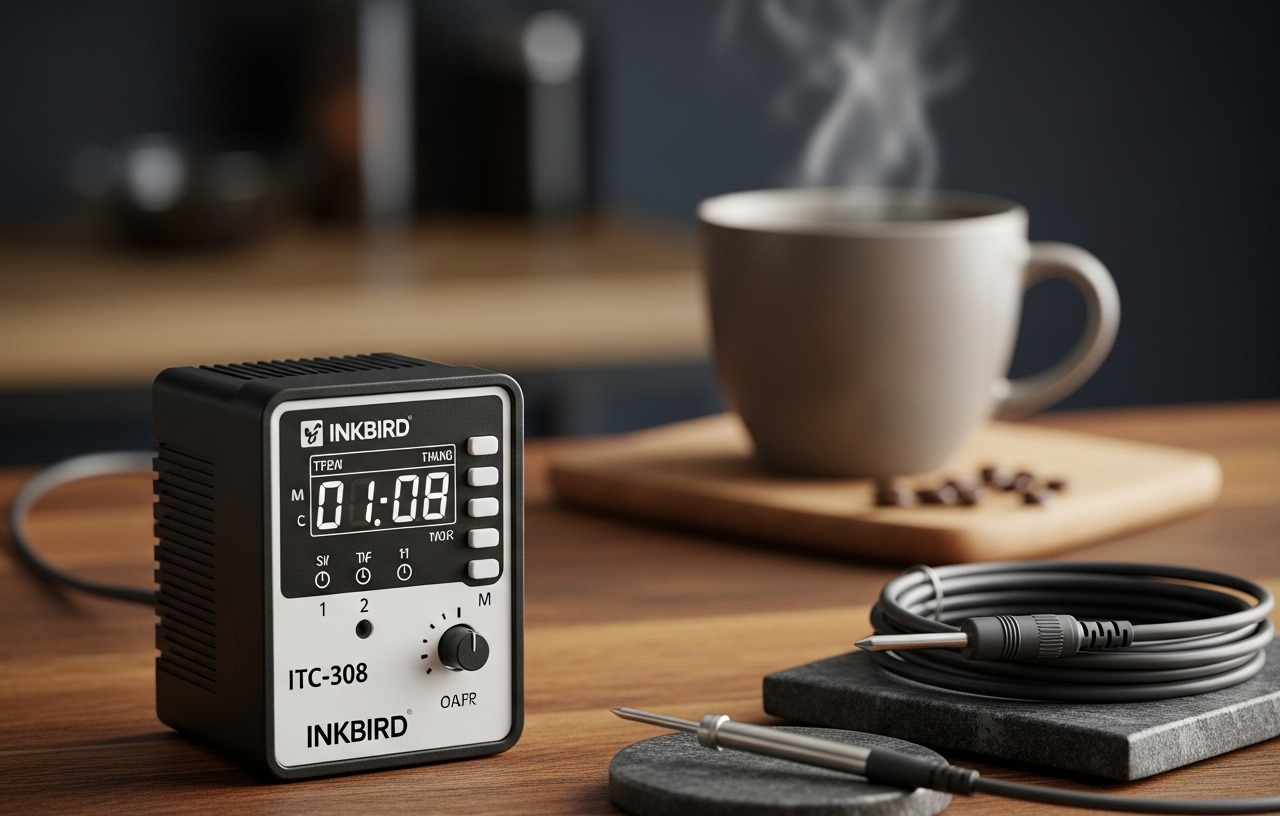
- Basic Digital Controller: Simple plug-and-play controllers are widely available. An Inkbird ITC-308, for example, is a popular choice among homebrewers. These units typically cost $35 to $70. They are easy to set up and reliable for most homebrewing needs.
- Advanced Controllers (WiFi-enabled, Multi-Stage): More advanced controllers offer features like WiFi connectivity for remote monitoring and control, or the ability to program complex temperature schedules. These can range from $80 to $200 or more.
A good controller is an investment that pays off in consistent fermentation.
Heating Elements
While the refrigerator provides cooling, a heating element is often necessary to raise the temperature if your ambient environment is too cold, or for specific fermentation profiles that require warmer temperatures.
- Fermentation Heating Belt or Pad: These wrap around or sit under your fermentation vessel, providing gentle, direct heat. They are inexpensive and effective, typically costing $20 to $40.
- Small Ceramic Heater or Incandescent Bulb: A small, low-wattage ceramic heater or even a simple incandescent light bulb (with a suitable socket) can provide ambient heat within the chamber. These cost $15 to $30. Make sure any heater chosen is rated for continuous use and has appropriate safety features.
Air Circulation (Optional but Smart)
A small fan inside the chamber helps circulate air, ensuring a more uniform temperature throughout. This prevents hot or cold spots that can affect your fermentation.
- Small USB or AC Fan: A small computer fan or a compact desk fan can be used. These typically cost $10 to $25. Ensure it is rated for the environment and can be safely powered.
Fermentation Vessels
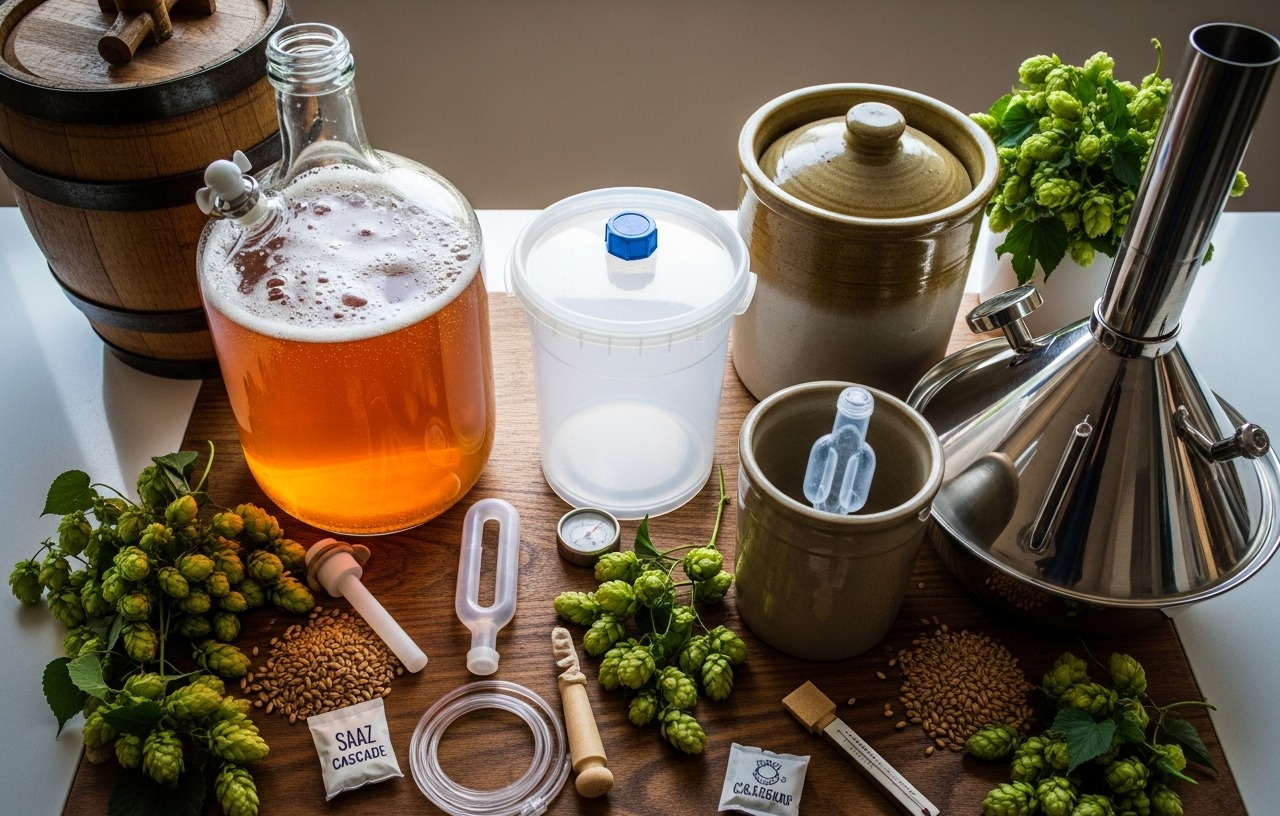
While not strictly part of the chamber itself, the vessels you use must fit inside. Common options include plastic buckets, glass carboys, or stainless steel conical fermenters. Costs vary significantly depending on material and capacity. For example, glass carboys typically cost $40-$70 for a 5-gallon size.
DIY Fermentation Chamber: A Cost Breakdown Example
Building your own chamber is the most popular route for homebrewers looking to save money and customize their setup.
- Used Chest Freezer: $75 (found on a local marketplace)
- Basic Temperature Controller (e.g., Inkbird ITC-308): $45
- Fermentation Heating Belt: $25
- Small USB Fan: $15
- Miscellaneous (electrical tape, zip ties, small lumber for shelves if needed): $10
Total DIY Cost Example: $170
This example demonstrates that a fully functional, temperature-controlled fermentation chamber can be built for under $200. The primary cost savings come from sourcing a used appliance. Your labor is essentially free, as you are doing the setup yourself.
When DIY is the Best Option
DIY makes excellent financial sense for most homebrewers. It allows for customization, often results in a more robust system than entry-level pre-built options, and teaches valuable troubleshooting skills. If you are comfortable with basic electrical wiring (plugging components into a controller) and can source a used appliance, DIY is highly recommended. It is a cost effective way to significantly improve your brewing process.
Pre-Built Fermentation Chambers: Convenience at a Price
For those who prefer convenience or lack the time for a DIY project, pre-built fermentation chambers are available. These range from modified mini-fridges to dedicated, purpose-built units.
Entry-Level Pre-Built Options
Some companies offer modified mini-fridges or small freezers pre-fitted with temperature controllers. These often target brewers who want a plug-and-play solution. They typically cost between $600 and $1,200. The added cost covers the new appliance, the controller, and the labor for assembly and testing.
Advanced Systems
Dedicated fermentation refrigerators or glycol chillers represent the high end of fermentation control. These systems are designed specifically for brewing, often accommodating multiple fermenters, offering precise temperature control, and sometimes including features like integrated CO2 lines or draft taps. These advanced setups can cost $1,500 to $5,000 or more, depending on capacity and features. They are ideal for serious hobbyists or small-scale commercial operations.
Professional Help and Repair Costs
While most fermentation chamber issues are simple DIY fixes (like replacing a faulty controller or heating element), sometimes professional help is needed, especially if the core appliance (refrigerator or freezer) malfunctions.
When to Call a Technician
You should consider calling an appliance repair technician if:
- The refrigerator or freezer itself stops cooling or heating properly, and the temperature controller is confirmed to be working.
- There are unusual noises coming from the compressor.
- You suspect an electrical issue beyond simple plug-and-play components.
- You are uncomfortable diagnosing or repairing internal appliance components.
Service Call and Labor Rates
Appliance repair technicians typically charge a service call fee, which covers their travel and initial diagnosis. Beyond the service call, labor rates can be $75 to $150 per hour. Most repairs take 1-3 hours, depending on complexity.
Common Component Replacements and Their Costs
- Compressor Replacement: If the compressor fails, replacement can be expensive. Parts alone can cost $150-$300, and with labor, the total could be $300-$600. For an older, used appliance, this cost might exceed the value of the unit, making replacement a better option.
- Thermostat/Defrost Timer: These are less common failures in a converted chamber (since the external controller bypasses the internal thermostat), but if they fail, parts might be $30-$80, plus labor.
- Fan Motor: If the internal fan in the fridge or freezer fails, a replacement motor might cost $50-$100 for parts, plus labor.
It is often more economical to replace an entire used appliance if a major component like the compressor fails. The cost of a new mini-fridge or chest freezer can sometimes be less than a major repair, especially for older units. Weigh the repair cost against the cost of a new or different used appliance.
Deciding Between DIY and Professional Solutions
- Budget-Conscious Brewers: DIY is the clear winner for saving money. The ability to source used components drastically reduces the initial investment.
- Convenience Seekers: Pre-built units offer a ready-to-use solution, ideal for those with limited time or DIY skills.
- Advanced Control Needs: While DIY can be very capable, high end commercial fermenters offer features and precision that are difficult to replicate at home without significant effort.
- Appliance Malfunctions: If your core appliance breaks down, assess the repair cost versus replacement cost. A technician is valuable for diagnosing complex issues, but sometimes a new used appliance is simply more economical.
Ultimately, a temperature-controlled fermentation chamber is a worthwhile addition to any homebrewer's arsenal. It moves your brewing from inconsistent results to precision and repeatability. By understanding the cost components, you can choose the path that best suits your budget and brewing goals.
Conclusion
Setting up a temperature-controlled fermentation chamber is an investment in brewing quality. A DIY approach, leveraging a used appliance and an external controller, offers the most cost effective path, typically ranging from $150 to $400. Pre-built options provide convenience but come at a higher price, starting around $600. When facing appliance malfunctions, consider the cost of professional repair, which includes service call fees ($80-$150) and hourly labor rates ($75-$150), against the cost of replacing the entire unit. Making an informed decision ensures your brewing journey is both enjoyable and consistently successful.