Teenyyou Auto Siphon Mini and Triple Scale Hydrometer, 6 Feet of Food Safe Tubing & Clamp and Plastic Test Jar, Brix and Gravity
- Home Brewing Kit: our package includes 1 Triple Scale Hydrometer, 1 Auto Siphon Mini with 6 feet of food safe tubing and clamp, 1 Clear Plastic Cylinder Test Jar with captivity of 100ml, 1 Stainless Steel Bottle Brush, 1
- Correct and Easy to Read: achieve accurate measurements with our quality hydrometer, featuring clear markings for specific gravity (0.99-1.17), brix /balling (0-35), and potential alcohol by volume (0%-20%); The included
- Removable Tip and Inner Tube: the siphon includes a removable tip, enabling you to siphon without disturbing sediment; The inner tube can also be easily detached for thorough cleaning and drying
- Multifunction Brewing Compatibility: this essential winemaking kit allows you to quickly measure critical information, making it suitable for wine making, beer brewing, mead crafting, or kombucha production, which are id
- Ideal Gift: our home brewing supplies and equipment come packaged as kit, that making it an ideal gift for friends, family, and colleagues

Kegco BF STCK-5T Standard Tower Kegerator Conversion Kit with 5 lb Co2 Tank, Standard
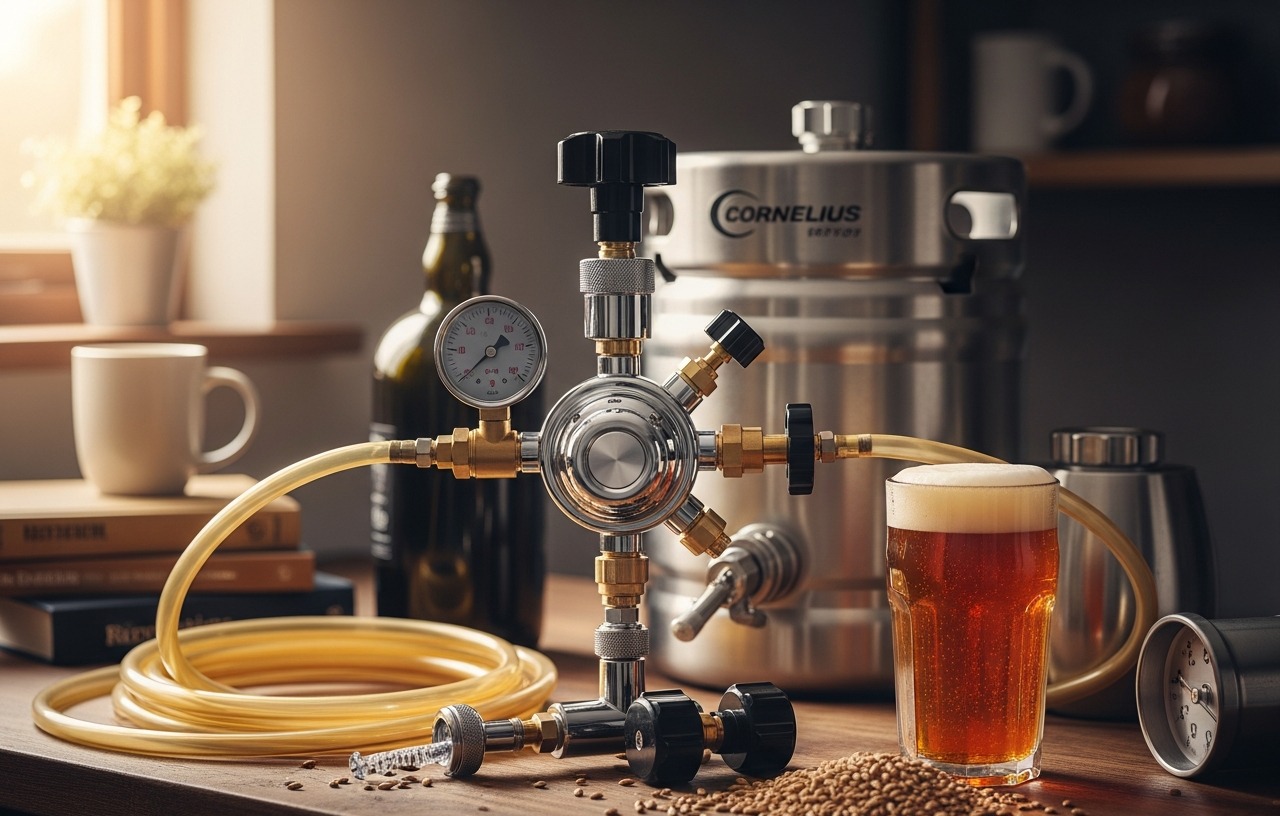
- PRO SERIES DUAL GAUGE REGULATOR: Easily measure PSI and CO2 volume and adjust CO2 output pressure using this Kegco 542 Pro Series Double Gauge Regulator packed with premium features. The top gauge indicates output pressu
- LEVER HANDLE KEG COUPLER: This NSF-approved Kegco KT85D-L "D" System Keg Coupler features a sturdy nickel-plated forged brass body with a stainless steel probe, and is designed for use with all domestic brand American D
- SINGLE FAUCET DRAFT BEER TOWER: Featuring a beautiful Standard-plated metal finish and a matching Standard-plated faucet with metal lever, this 3" diameter air-cooled draft beer tower is the same stylish tower used on mo
- STANDARD METAL BEER FAUCET WRENCH: This beer faucet spanner wrench is an essential tool that allows you to quickly and confidently loosen or tighten shank collars without scratching your faucets. This wrench has been bui
- INCLUDES EMPTY 5 LB. ALUMINUM CO2 TANK: All of our brand new tanks are made from high strength aluminum alloy which is not as heavy as a steel tank and will not rust. These eye-catching tanks have a glossy red coating th

BACOENG Standard Tower Kegerator No Tank Beer Conversion Kit
- PRO SERIES DUAL GAUGE REGULATOR: Easily measure PSI and Co2 volume and adjust Co2 output pressure using this Kegco 542 Pro Series Double Gauge Regulator packed with premium features. The top gauge indicates output pressu
- LEVER HANDLE KEG COUPLER: This NSF-approved Kegco KT85D-L D System Keg Coupler features a sturdy nickel-plated forged brass body with a stainless steel probe, and is designed for use with all domestic brand American D sy
- SINGLE FAUCET DRAFT BEER TOWER: Featuring a beautiful Standard-plated metal finish and a matching Standard-plated faucet with metal lever, this 3" diameter air-cooled Kegco D4743T draft beer tower is the same stylish tow
- STANDARD METAL BEER FAUCET WRENCH: This beer faucet spanner wrench is an essential tool that allows you to quickly and confidently loosen or tighten shank collars without scratching your faucets. This wrench has been bui
- INCLUDES DETAILED INSTRUCTIONS: This kegerator conversion kit comes with easy to follow directions and all of the high quality draft dispense components you'll need to quickly and easily convert your refrigerator into a
Standing sediment at the bottom of a home-brewed bottle can detract from its visual appeal and mouthfeel. While some yeast presence is natural and expected in bottle-conditioned beer, excessive sediment often indicates a need for process refinement. This guide focuses on practical steps you can take to achieve clearer results without sacrificing the natural carbonation process. Achieving clarity involves attention to detail at multiple stages, from fermentation to bottling.
Understanding Bottle Conditioning and Sediment
Bottle conditioning involves adding a small amount of priming sugar or wort to your beer just before packaging. Yeast in the beer consumes this sugar, producing carbon dioxide that dissolves into the liquid, creating carbonation. This process typically takes two to three weeks at room temperature.
Sediment forms from several sources:
- Yeast: The primary contributor. While some yeast is necessary for carbonation, too much can leave a cloudy layer.
- Proteins and Haze: Certain proteins and hop compounds can aggregate, forming haze, especially when chilled.
- Fining Agents: If used, these can sometimes settle out with yeast.
- Chill Haze: Caused by proteins and polyphenols precipitating out at cooler temperatures.
Minimizing sediment is about managing these components effectively throughout the brewing and conditioning process.
Key Strategies for Clearer Bottle-Conditioned Beer
Several techniques can help reduce the amount of sediment in your final bottles. These strategies focus on promoting yeast flocculation, careful racking, and proper cold conditioning.
1. Promote Yeast Flocculation
Flocculation refers to the yeast's ability to clump together and settle out of suspension. Different yeast strains have varying flocculation characteristics. Choosing a yeast strain known for high flocculation can significantly impact clarity.
How to promote flocculation:
- Yeast Strain Selection: Research and select yeast strains with high flocculation ratings. Brands often provide this information on their product pages.
- Fermentation Temperature Control: Maintaining a stable fermentation temperature, ideally within the yeast's recommended range, helps yeast perform optimally and flocculate effectively. Fluctuations can stress the yeast. Consider using a fermentation controller like the Inkbird ITC-308 for precise temperature management.
- Adequate Fermentation Time: Allow the primary fermentation to complete fully. Yeast will naturally settle out over time. Rushing the process can lead to more yeast in suspension.
2. Careful Racking Techniques
Racking is the process of transferring beer from one vessel to another, leaving the sediment behind. This is a critical step for reducing yeast in your beer before bottling.
Steps for careful racking:
- Sanitize Everything: Thoroughly clean and sanitize all equipment, including your racking cane, tubing, and receiving vessel. Proper sanitation prevents off-flavors and spoilage. Review our guide on how to sanitize brewing equipment for best practices.
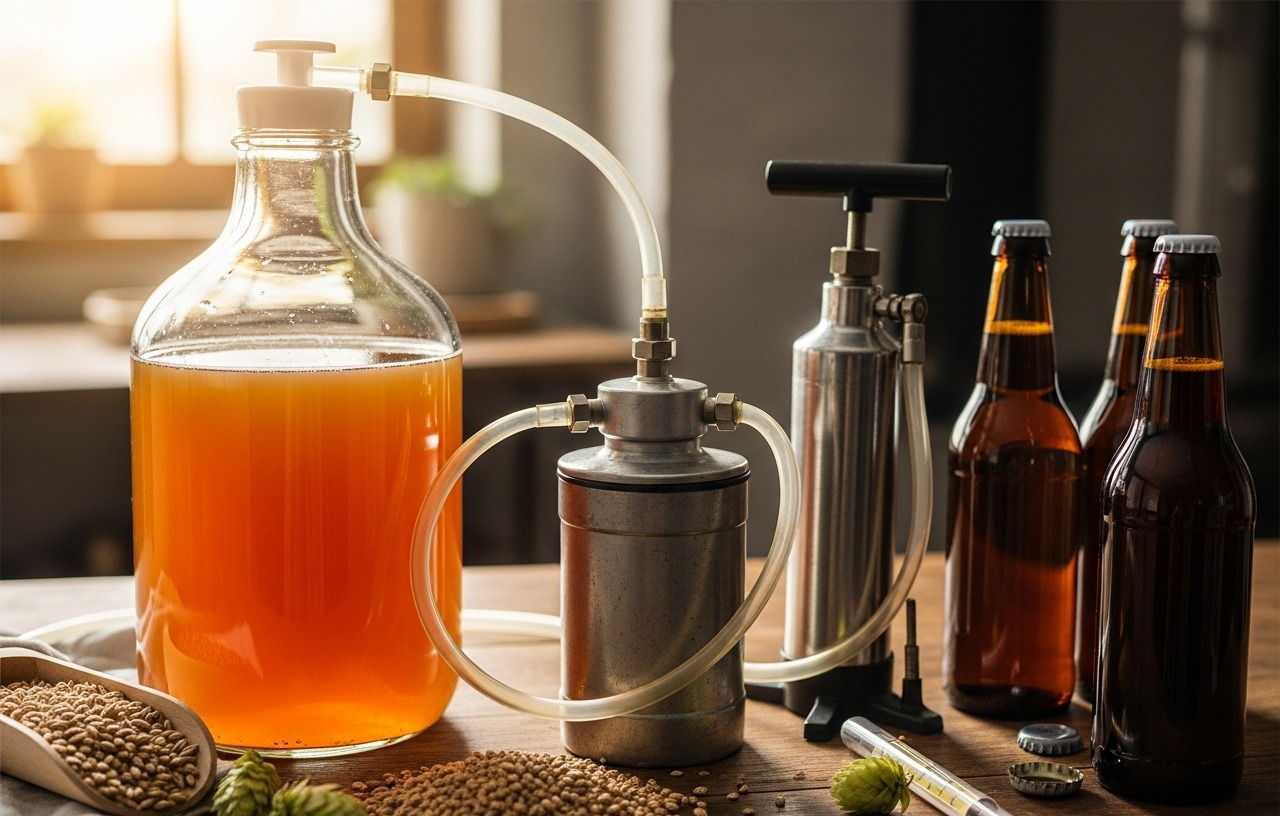
- Use an Auto Siphon: An auto siphon allows for controlled filling of the tubing without excessive splashing or disturbing the yeast cake. The Teenyyou Auto Siphon Mini is designed with a removable tip to help avoid siphoning sediment.
- Minimize Disturbing the Yeast Cake: Gently insert the racking cane into the fermenter, avoiding contact with the yeast sediment at the bottom. Siphon slowly and steadily.
- Leave Trub and Sediment Behind: Stop siphoning when you see yeast or trub begin to enter the transfer tube, or when the beer level gets very low over the yeast cake. It's better to leave a little beer behind than to transfer excess sediment.
- Use a Secondary Fermenter (Optional): For very high sediment beers, a secondary fermentation in a clean vessel can allow for an additional settling period before bottling. This adds complexity and potential for oxidation, so weigh the benefits.
3. Cold Conditioning (Lagering)
Cold conditioning, often referred to as lagering for lager beers, involves storing the beer at cold temperatures for an extended period. This process helps yeast and other haze-forming particles precipitate out.
How cold conditioning helps:
- Accelerated Sedimentation: Cold temperatures slow down yeast activity and cause proteins and other compounds to become less soluble, encouraging them to drop out of suspension.
- Improved Clarity: Beer stored cold for several weeks can become remarkably clear, even without fining agents.
- Smoother Flavor: For many beer styles, cold conditioning also allows flavors to meld and mellow, resulting in a smoother taste profile.
Aim for temperatures between 32°F (0°C) and 40°F (4°C). This can be achieved using a dedicated kegerator or a temperature-controlled refrigerator. For best results, cold condition for at least two weeks, but four weeks or more can yield even clearer beer.
4. Priming Sugar Calculation and Addition
Accurate priming sugar calculation is essential for proper carbonation. Over-priming can lead to excessive yeast activity and sediment. Under-priming results in flat beer.
Priming sugar best practices:
- Use a Priming Sugar Calculator: Online calculators take into account your beer's volume, temperature, and desired carbonation level to determine the exact amount of sugar needed.
- Dissolve the Sugar: Always dissolve your priming sugar in a small amount of boiling water or wort before adding it to your bottling bucket. This ensures even distribution and prevents localized high sugar concentrations.
- Gentle Mixing: Stir the priming sugar solution into the beer gently to avoid introducing excess oxygen, which can lead to staling. A few gentle stirs are sufficient.
5. Bottling Practices
How you fill the bottles also plays a role in minimizing sediment transfer.
Bottling tips for clarity:
- Fill from the Bottom: Use a bottling wand that fills the bottle from the bottom up. This displaces CO2 and minimizes splashing, which can stir up sediment.
- Avoid Disturbing the Bucket Bottom: When filling bottles, be mindful not to disturb any sediment that may have settled at the bottom of your bottling bucket.
- Leave Headspace: Leave adequate headspace in each bottle (about 1 inch). This allows for proper carbonation and prevents overflow when capping.
6. Using Fining Agents (Optional)
Fining agents are substances added to beer to help clarify it by binding to haze-forming particles and causing them to settle out faster. Common fining agents include:
- Gelatin: A protein-based fining agent. Dissolve food-grade gelatin in hot water, then add it to cold beer. It works by binding to tannins and haze.
- Isinglass: A fining agent derived from fish bladders, commonly used for cask ales. It's highly effective at clearing yeast.
- Polyvinylpolypyrrolidone (PVPP): A synthetic fining agent that binds to polyphenols, helping to reduce chill haze.
Important Considerations for Fining Agents:
- Timing: Add fining agents after primary fermentation is complete and ideally during cold conditioning.
- Dosage: Follow manufacturer instructions carefully. Too much can strip flavor or aroma.
- Not for Bottle Conditioning Yeast: Fining agents are generally added to beer before bottling if you are not bottle conditioning. If you plan to bottle condition, fining agents can sometimes interfere with the yeast's ability to carbonate, though some brewers have success. Many homebrewers skip fining agents to ensure reliable carbonation from bottle conditioning.
7. Serving Considerations
Even with the best techniques, a small amount of sediment is normal. Proper serving can help keep it out of your glass.
- Chill Thoroughly: Ensure bottles are well-chilled before serving. This helps any remaining yeast and haze settle to the bottom.
- Pour Carefully: Pour the beer slowly into a clean glass, leaving the last half-inch or so of liquid, which contains most of the sediment, in the bottle.
Troubleshooting Common Sediment Issues
Sometimes, despite your best efforts, you might end up with more sediment than desired. Here are a few common scenarios and their potential causes:
Problem: Excessive Yeast Haze
Possible Causes:
- Yeast strain with low flocculation.
- Incomplete fermentation before bottling.
- Too much priming sugar added.
- Aggressive mixing or splashing during bottling.
- Bottling too soon after fermentation.
Solutions:
- Select high-flocculating yeasts in the future.
- Allow longer fermentation times.
- Double-check priming sugar calculations.
- Handle beer more gently during transfer and bottling.
- Consider cold conditioning before bottling if possible.
Problem: Chill Haze
Possible Causes:
- High protein content from grains or hops.
- Presence of polyphenols.
- Rapid temperature fluctuations.
Solutions:
- Use a whirlpool or hop stand to help precipitate proteins and hop matter before chilling.
- Employ a wort chiller that cools quickly, minimizing time in the "haze-forming zone."
- Consider using fining agents like PVPP, though this is less common for bottle-conditioned beers intended for natural carbonation.
- Extended cold conditioning can also help reduce chill haze.
When to Consider Kegging
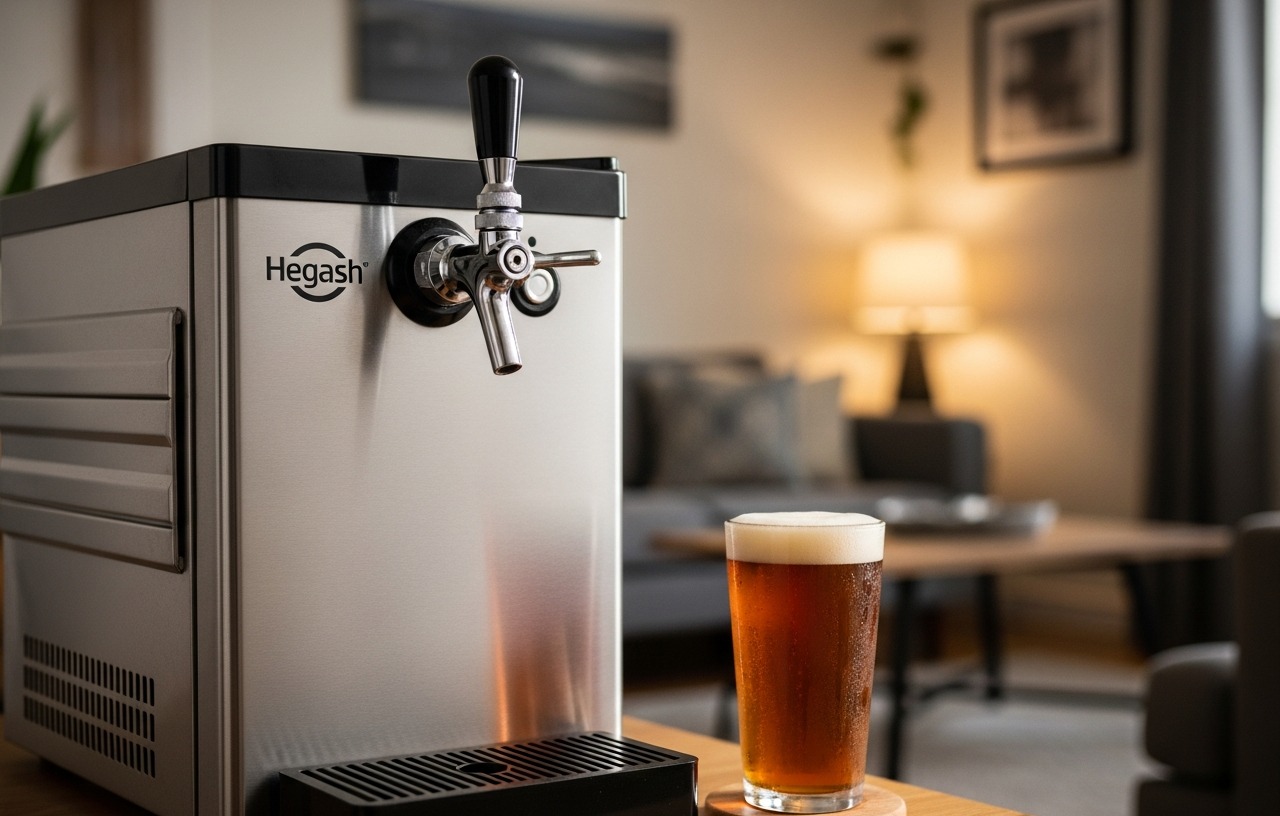
If achieving crystal-clear beer is a top priority and you find bottle conditioning consistently problematic, kegging might be a more suitable option. Kegging allows for force carbonation and direct serving, bypassing the yeast sediment inherent in bottle conditioning. Systems like the Kegco BF STCK-5T or BACOENG Standard Tower Kegerator Conversion Kit can transform a refrigerator into a draft beer dispenser. While kegging requires an initial investment in equipment such as kegs, CO2 tanks, and regulators, it offers greater control over carbonation and easier serving. You can find comprehensive information on these systems in our reviews of kegerator conversion kits and CO2 regulators.
For those committed to bottle conditioning, patience and meticulous attention to detail are key. By implementing the strategies outlined above, you can significantly improve the clarity of your home-brewed beer, leading to a more polished and enjoyable final product.
Teenyyou Auto Siphon Mini and Triple Scale Hydrometer, 6 Feet of Food Safe Tubing & Clamp and Plastic Test Jar, Brix and Gravity
- Home Brewing Kit: our package includes 1 Triple Scale Hydrometer, 1 Auto Siphon Mini with 6 feet of food safe tubing and clamp, 1 Clear Plastic Cylinder Test Jar with captivity of 100ml, 1 Stainless Steel Bottle Brush, 1
- Correct and Easy to Read: achieve accurate measurements with our quality hydrometer, featuring clear markings for specific gravity (0.99-1.17), brix /balling (0-35), and potential alcohol by volume (0%-20%); The included
- Removable Tip and Inner Tube: the siphon includes a removable tip, enabling you to siphon without disturbing sediment; The inner tube can also be easily detached for thorough cleaning and drying
- Multifunction Brewing Compatibility: this essential winemaking kit allows you to quickly measure critical information, making it suitable for wine making, beer brewing, mead crafting, or kombucha production, which are id
- Ideal Gift: our home brewing supplies and equipment come packaged as kit, that making it an ideal gift for friends, family, and colleagues
Kegco BF STCK-5T Standard Tower Kegerator Conversion Kit with 5 lb Co2 Tank, Standard
- PRO SERIES DUAL GAUGE REGULATOR: Easily measure PSI and CO2 volume and adjust CO2 output pressure using this Kegco 542 Pro Series Double Gauge Regulator packed with premium features. The top gauge indicates output pressu
- LEVER HANDLE KEG COUPLER: This NSF-approved Kegco KT85D-L "D" System Keg Coupler features a sturdy nickel-plated forged brass body with a stainless steel probe, and is designed for use with all domestic brand American D
- SINGLE FAUCET DRAFT BEER TOWER: Featuring a beautiful Standard-plated metal finish and a matching Standard-plated faucet with metal lever, this 3" diameter air-cooled draft beer tower is the same stylish tower used on mo
- STANDARD METAL BEER FAUCET WRENCH: This beer faucet spanner wrench is an essential tool that allows you to quickly and confidently loosen or tighten shank collars without scratching your faucets. This wrench has been bui
- INCLUDES EMPTY 5 LB. ALUMINUM CO2 TANK: All of our brand new tanks are made from high strength aluminum alloy which is not as heavy as a steel tank and will not rust. These eye-catching tanks have a glossy red coating th
BACOENG Standard Tower Kegerator No Tank Beer Conversion Kit
- PRO SERIES DUAL GAUGE REGULATOR: Easily measure PSI and Co2 volume and adjust Co2 output pressure using this Kegco 542 Pro Series Double Gauge Regulator packed with premium features. The top gauge indicates output pressu
- LEVER HANDLE KEG COUPLER: This NSF-approved Kegco KT85D-L D System Keg Coupler features a sturdy nickel-plated forged brass body with a stainless steel probe, and is designed for use with all domestic brand American D sy
- SINGLE FAUCET DRAFT BEER TOWER: Featuring a beautiful Standard-plated metal finish and a matching Standard-plated faucet with metal lever, this 3" diameter air-cooled Kegco D4743T draft beer tower is the same stylish tow
- STANDARD METAL BEER FAUCET WRENCH: This beer faucet spanner wrench is an essential tool that allows you to quickly and confidently loosen or tighten shank collars without scratching your faucets. This wrench has been bui
- INCLUDES DETAILED INSTRUCTIONS: This kegerator conversion kit comes with easy to follow directions and all of the high quality draft dispense components you'll need to quickly and easily convert your refrigerator into a