Why CO2 is Essential for Homebrewing
Carbon dioxide (CO2) is a critical component for any homebrewer using a kegging system. It serves two primary functions: carbonating your beer and dispensing it from the keg. Proper carbonation creates the desired fizziness and head retention in your beer, while steady pressure ensures a smooth, consistent pour from your tap.
Without a reliable CO2 supply, your homebrewed beer would remain flat, and you would not be able to serve it directly from a kegerator or jockey box. This gas is a non-negotiable expense for brewers who prefer the convenience and consistency of kegging over bottling.
Where to Refill Your CO2 Tank and Associated Costs
Several types of businesses offer CO2 tank refills or exchanges. The availability and pricing will vary by region, so it is wise to check local options.
Welding Supply Stores
These are often the most economical choice for CO2 refills. Welding suppliers handle various industrial gases, including CO2, and typically charge by the pound. A 5-pound refill might cost $15-$25. A 10-pound tank could be $25-$40, and a 20-pound tank $40-$60. They often have the necessary equipment to properly fill tanks and ensure safety. Make sure to call ahead to confirm they fill food-grade CO2, though for most homebrewing applications, standard industrial CO2 is acceptable.
Fire Extinguisher Service Companies
Many companies that service fire extinguishers also refill CO2 tanks. Their pricing might be slightly higher than welding suppliers, but they are a reliable option. Expect to pay $20-$30 for a 5-pound tank refill. These businesses are accustomed to handling pressurized cylinders and often have quick turnaround times.
Homebrew Supply Shops
Local homebrew shops are a convenient option, especially for beginners. They cater specifically to homebrewers and understand the unique needs of the hobby. While often more expensive than industrial suppliers, the convenience and expert advice can be worth the slightly higher cost. A 5-pound CO2 tank refill at a homebrew shop could run $25-$35.
Specialty Gas Distributors
Some larger cities have specialty gas distributors that supply CO2 for various industries, including beverage and hospitality. These facilities can offer competitive pricing, sometimes matching welding supply stores. They are a good option for larger tanks or if you require certified food-grade CO2.
Tank Exchange vs. Direct Refill
When seeking CO2, you will often encounter two options: a direct refill or a tank exchange. Each has its pros and cons regarding cost and convenience.
- Direct Refill: With a direct refill, you drop off your specific CO2 tank, and the vendor fills it. This means you always get your tank back. It is ideal if you have a new, well maintained tank or one with a recent hydrostatic test date. The cost is purely for the gas.
- Tank Exchange: An exchange program involves trading your empty CO2 tank for a pre-filled one. This is highly convenient and often quicker, as you do not have to wait for your tank to be filled. However, you will receive a different tank each time, which might be older or have more cosmetic wear. The cost is typically similar to a direct refill, but sometimes a small premium is charged for the convenience. The size you choose impacts both the initial purchase cost and how often you will need refills.
- 5-Pound Tank: This is a popular size for homebrewers with a single kegerator or those just starting out. It is compact and relatively easy to transport. It can carbonate and dispense several 5-gallon kegs before needing a refill, typically 4-6 kegs depending on carbonation levels and leaks.
- 10-Pound Tank: A good choice for brewers with multiple kegs or slightly higher usage. It offers more capacity without being overly cumbersome. A new 10-pound tank costs $90-$140 (unfilled). You will get more refills per year from this tank than a 5-pound.
- 20-Pound Tank: Best for serious homebrewers, commercial setups, or those who want to minimize refill trips. These tanks are heavier and take up more space. A new 20-pound tank costs $120-$180 (unfilled). This size can handle many kegs before a refill is necessary.
The initial purchase of a CO2 tank is a one-time expense. Many homebrewers find that owning their tank saves money over time compared to renting, especially if you plan to brew for several years. Always buy tanks that are certified and have a current hydrostatic test date.
Beyond the Refill: Associated Costs and Potential Repairs
While refilling is the most common CO2-related expense, other components of your kegging system can sometimes fail, leading to additional costs. The CO2 regulator is a prime example.
The CO2 Regulator: A Common Point of Failure
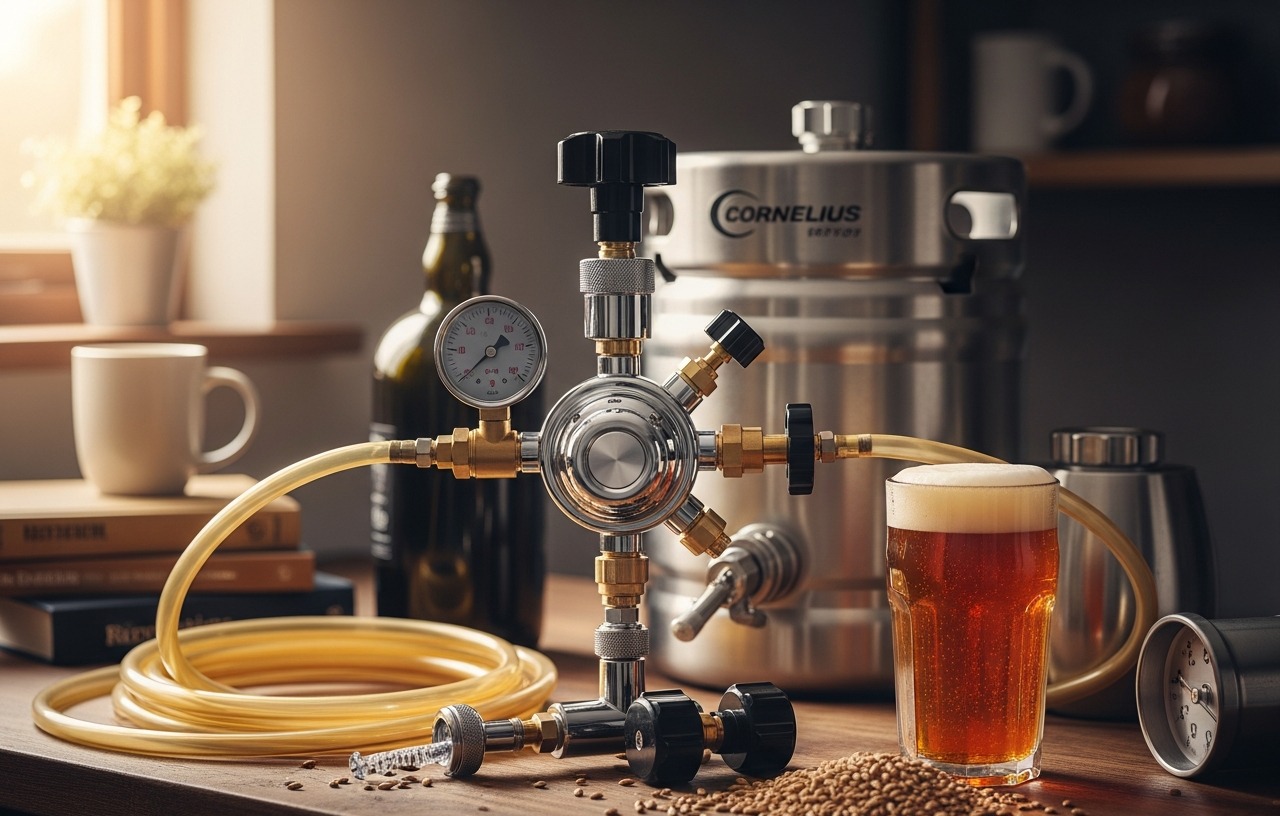
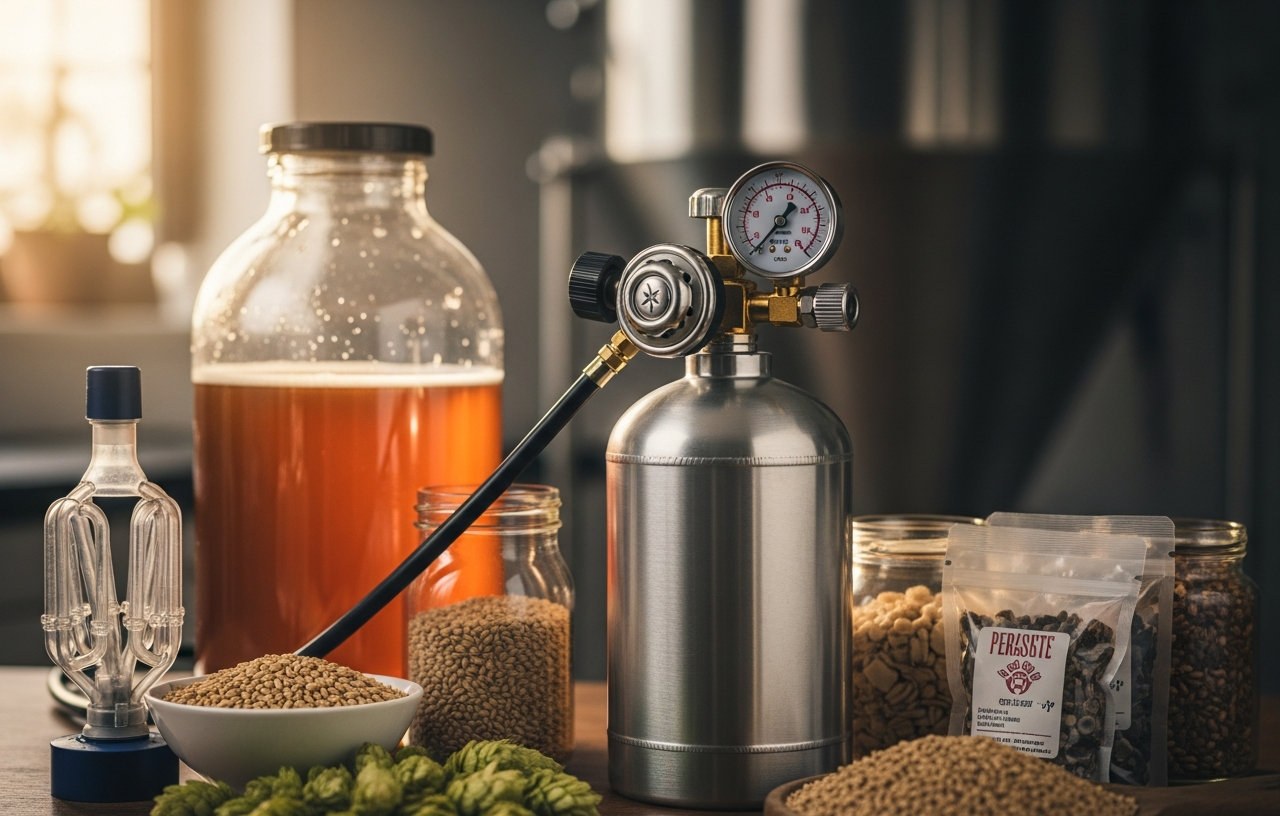
Your CO2 regulator connects to the tank and controls the pressure delivered to your kegs. Over time, regulators can develop leaks, stop holding pressure, or have gauges fail. A malfunctioning regulator means wasted CO2 and improperly carbonated beer. When this happens, you have two main options: DIY replacement or professional service.
DIY Regulator Replacement
Replacing a CO2 regulator is a relatively simple task for most homebrewers and is a significant money-saving opportunity. New CO2 regulators vary widely in price based on features like single vs. dual gauges, material quality, and brand. These tools typically cost $10-$20 if you do not already own them. You might also want a leak detection solution (a spray bottle of soapy water works) to confirm all connections are secure. The actual installation takes about 15-30 minutes.
Your total DIY cost for a new regulator and basic tools would be $50-$270, depending on the regulator chosen. This approach empowers you to fix common issues without incurring labor charges.
Professional Regulator Repair or Replacement
Finding a specialized technician to repair a homebrew CO2 regulator can be challenging. Most general appliance repair services do not handle these specific components. If you have a full kegerator setup that requires more extensive service, you might find a specialized kegerator installation and repair company.
A service call from such a specialist could cost $80-$150 just for them to come to your location. Labor rates typically range from $50-$100 per hour. If they source the part, they will likely mark up the price of the new regulator. For example, a regulator that costs you $100 to buy online might be $150 from a technician.
The total professional cost to diagnose and replace a regulator could easily be $250-$400 or more (service call + 1-2 hours labor + marked-up part). This makes DIY replacement an attractive option for most homebrewers.
When DIY Makes Financial Sense
For CO2 tank refills, DIY simply means taking your tank to a refill station yourself. Unless you are completely uncomfortable working with pressurized gas or cannot physically handle the components, replacing a regulator yourself is the recommended path.
When Professional Help Might Be Considered
While rare for individual homebrewers, professional help might be considered in specific circumstances:
- Complex Kegerator Systems: If you have a large, multi-tap kegerator system that is integrated into custom cabinetry and a major component other than the regulator fails, a specialized kegerator service might be warranted. This is more common for commercial or elaborate home setups.
- Suspected Tank Valve Issues: If you suspect the actual valve on your CO2 tank is faulty (not the regulator), it is a safety concern. Do not attempt to repair a tank valve yourself. Instead, take the tank to a reputable CO2 supplier for inspection. They will either exchange the tank or condemn it if it is unsafe.
- Safety Concerns: If you are genuinely uncomfortable or unsure about handling pressurized gas lines or making connections, it is always better to seek expert advice or assistance rather than risk injury or property damage.
Maximizing Your CO2 Tank Life and Reducing Refill Frequency
To get the most out of your CO2 tank and minimize refill costs, follow these practices:
- Check for Leaks Regularly: A small leak can quickly drain a tank. Use soapy water on all connections (regulator to tank, gas line to regulator, gas line to keg) to check for bubbles, indicating a leak. Fixing leaks immediately saves CO2.
- Proper Carbonation Techniques: Avoid over-carbonating or using excessively high pressures, which can waste gas. Refer to guides on force carbonation methods for best practices.
- Disconnect When Not in Use: If you are not serving beer for an extended period, turn off the gas at the tank valve.
- Insulate Gas Lines: Maintaining a consistent temperature for your gas lines can help prevent pressure fluctuations and ensure efficient CO2 use.
By understanding the costs involved in refilling CO2 tanks and managing potential equipment issues, homebrewers can enjoy their draft systems without unexpected expenses. The convenience and quality of kegging your homebrew make the investment well worth it.