A home kegging system typically costs between $300 and $1,500 or more, depending on its complexity and whether components are new or used. The investment provides convenience and consistency for home brewers, allowing for quick carbonation and easy dispensing of beer, kombucha, or other fermented beverages. This guide details the costs for different system configurations, from a single-tap basic setup to a sophisticated multi-tap draft station, helping you budget for your ideal homebrew dispensing solution.
Understanding the Core Components and Their Costs
Every functional kegging system requires several key components. The cost of each item varies significantly based on its condition, brand, and features. Choosing between new and used equipment offers the biggest opportunity for cost savings.
Kegs: The Storage Vessel
Kegs are arguably the most essential part of a kegging system. Most homebrewers use 5-gallon Cornelius (Corny) kegs, available in ball lock or pin lock styles. Ball lock kegs are more common and generally easier to find parts for.
- Used 5-gallon kegs: These are often the most economical choice, typically costing $50-$100 each. They usually require new O-rings, a good cleaning, and sometimes new posts.
- New 5-gallon kegs: A new keg provides assurance of cleanliness and integrity, but at a higher price, usually $100-$150 per keg. Tank sizes are measured in pounds, with 5 lb and 10 lb tanks being most popular for home use.
- 5 lb CO2 tank (new): Expect to pay $80-$120. This size is good for a few 5-gallon kegs before needing a refill.
- 10 lb CO2 tank (new): These cost $120-$180. A larger tank means fewer trips for refills, making it a convenient option for more frequent brewers.
- Used CO2 tank: Finding a used tank can save money, often $40-$80, but make sure it is in good condition and can pass a hydrostatic test for refilling.
CO2 refills typically cost $15-$30 for a 5 lb tank and $25-$40 for a 10 lb tank, depending on your local supplier.
CO2 Regulator: Pressure Control
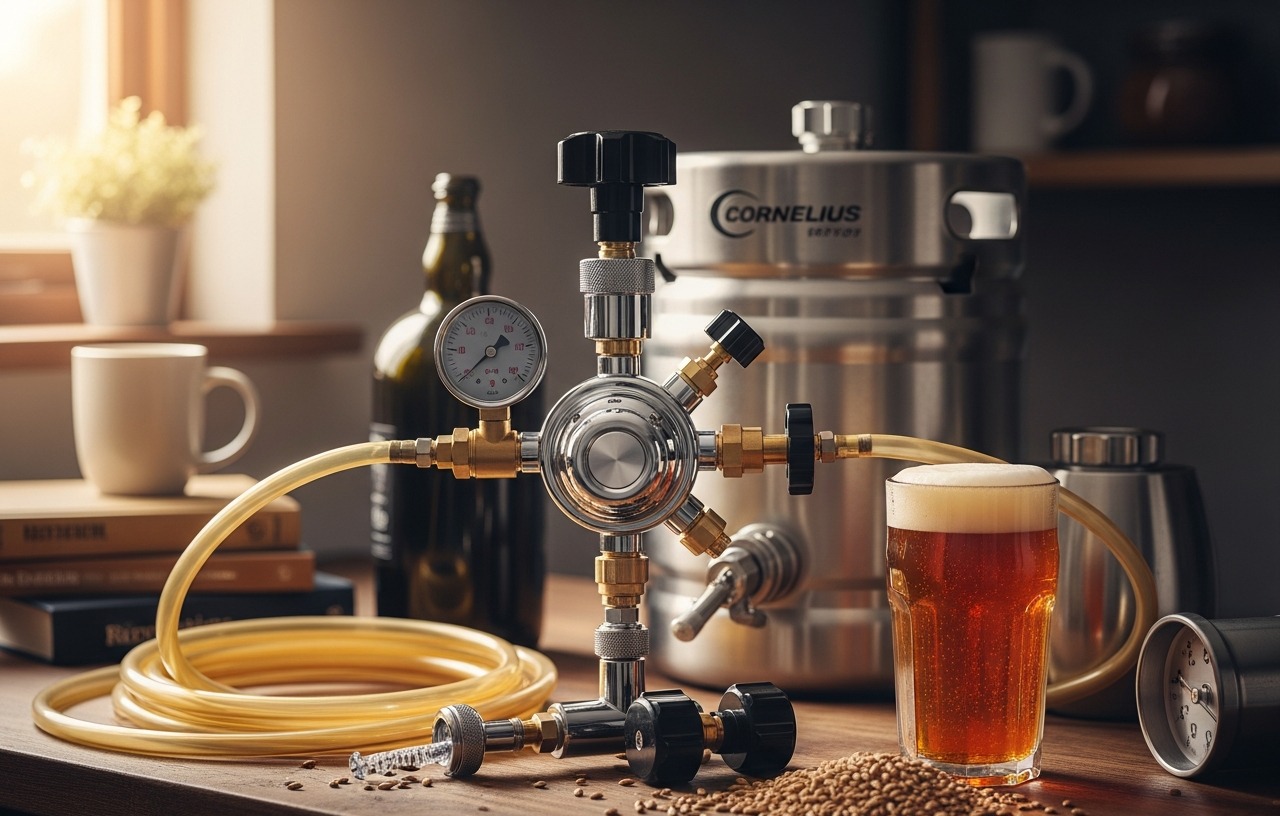
The regulator attaches to the CO2 tank and allows you to control the pressure delivered to your kegs. This is critical for proper carbonation and dispensing.
- Single gauge regulator: These show tank pressure but only allow one pressure setting for all connected kegs. Costs are usually $40-$80.
- Dual gauge regulator: A dual gauge regulator shows both tank pressure and the output pressure. This is a standard and recommended choice, typically costing $60-$120.
- Dual output regulator: For multi-tap systems, a dual output regulator allows for different pressures on separate kegs, ideal for serving various beverages. These range from $100-$200. Ball lock disconnects cost $10-$20 each. Pin lock are similar.
- Tubing: Food-grade vinyl or barrier tubing for gas and liquid lines costs $1-$3 per foot. Most setups require 5-10 feet of each.
- Faucets and Tap Handles: Basic chrome faucets are $25-$40. Stainless steel or specialty faucets (like stout faucets) can be $50-$100 or more. Tap handles range from $5 for a simple plastic one to $30+ for custom designs.
- Shank/Coupler: If dispensing through a keezer or kegerator wall, a shank is required to mount the faucet. These typically cost $20-$40.
Refrigeration: Keeping it Cold
Serving cold beer requires a dedicated refrigeration unit. Many homebrewers convert a chest freezer or mini-fridge into a keezer or kegerator.
- Kegerator Conversion Kit: These kits provide the necessary hardware (taps, shanks, lines) to turn an existing fridge or freezer into a kegerator. Costs range from $150-$400, not including the appliance.
- Chest Freezer (for keezer): A new chest freezer suitable for conversion can cost $200-$500. Used options are often available for $50-$150.
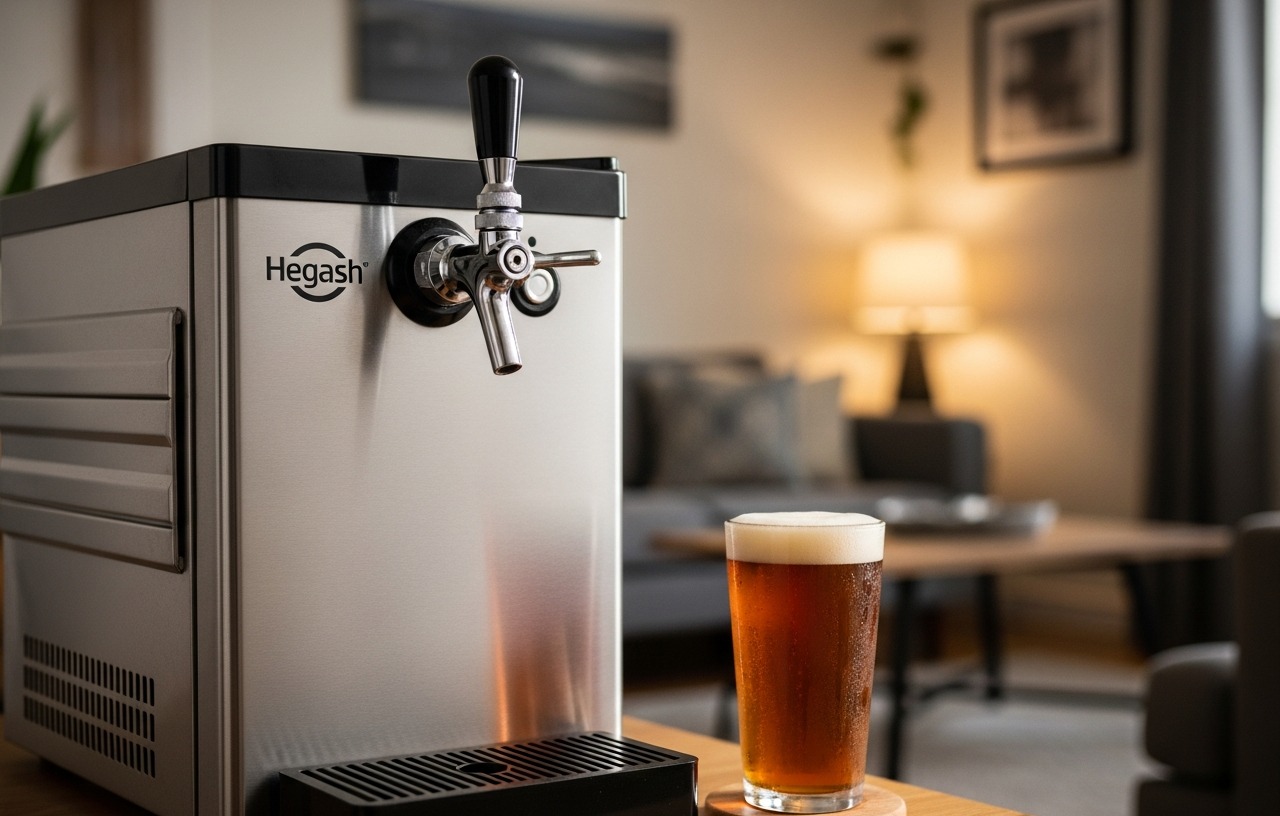
- Dedicated Kegerator: Pre-built kegerators, designed specifically for dispensing draft beverages, range from $500 for a basic single-tap unit to over $1,500 for multi-tap, commercial-grade models. For more details on these costs, refer to the Kegerator Cost Breakdown: What to Expect for Your Draft Beer System.
Cost Breakdown: Basic Single-Tap System
A basic single-tap kegging system is perfect for beginners or those with limited space. It usually includes one keg, a CO2 tank, a regulator, and a simple dispensing faucet.
- Used 5-gallon keg: $60
- New 5 lb CO2 tank: $100
- Dual gauge CO2 regulator: $70
- Gas and liquid disconnects: $30
- Tubing (10 ft gas, 10 ft liquid): $30
- Basic chrome faucet, shank, and tap handle: $70
Total Estimated Cost for a Basic Single-Tap System (without refrigeration): $360.
If you add a used chest freezer for $100 and a simple temperature controller (like an Inkbird ITC-308 for about $40), your total could be around $500. This setup allows you to carbonate and serve one keg at a time. It is a cost effective way to get started with homebrew on tap.
Cost Breakdown: Mid-Range Two-Tap System
A mid-range system often includes two kegs and a dedicated refrigeration unit, allowing you to have two different beverages on tap simultaneously. This setup offers more flexibility for the enthusiastic homebrewer.
- Two new 5-gallon kegs: $260 ($130 each)
- New 10 lb CO2 tank: $150
- Dual output CO2 regulator: $130
- Two sets of gas and liquid disconnects: $60
- Tubing (15 ft gas, 15 ft liquid): $45
- Two stainless steel faucets, shanks, and tap handles: $180 ($90 each)
- New chest freezer for keezer conversion: $350
- Temperature controller: $40
Total Estimated Cost for a Mid-Range Two-Tap System: $1,215.
This system represents a significant upgrade in capacity and convenience, making it a popular choice for many homebrewers. The quality of components also increases, often leading to better performance and longevity.
Cost Breakdown: Premium Multi-Tap Kegerator System
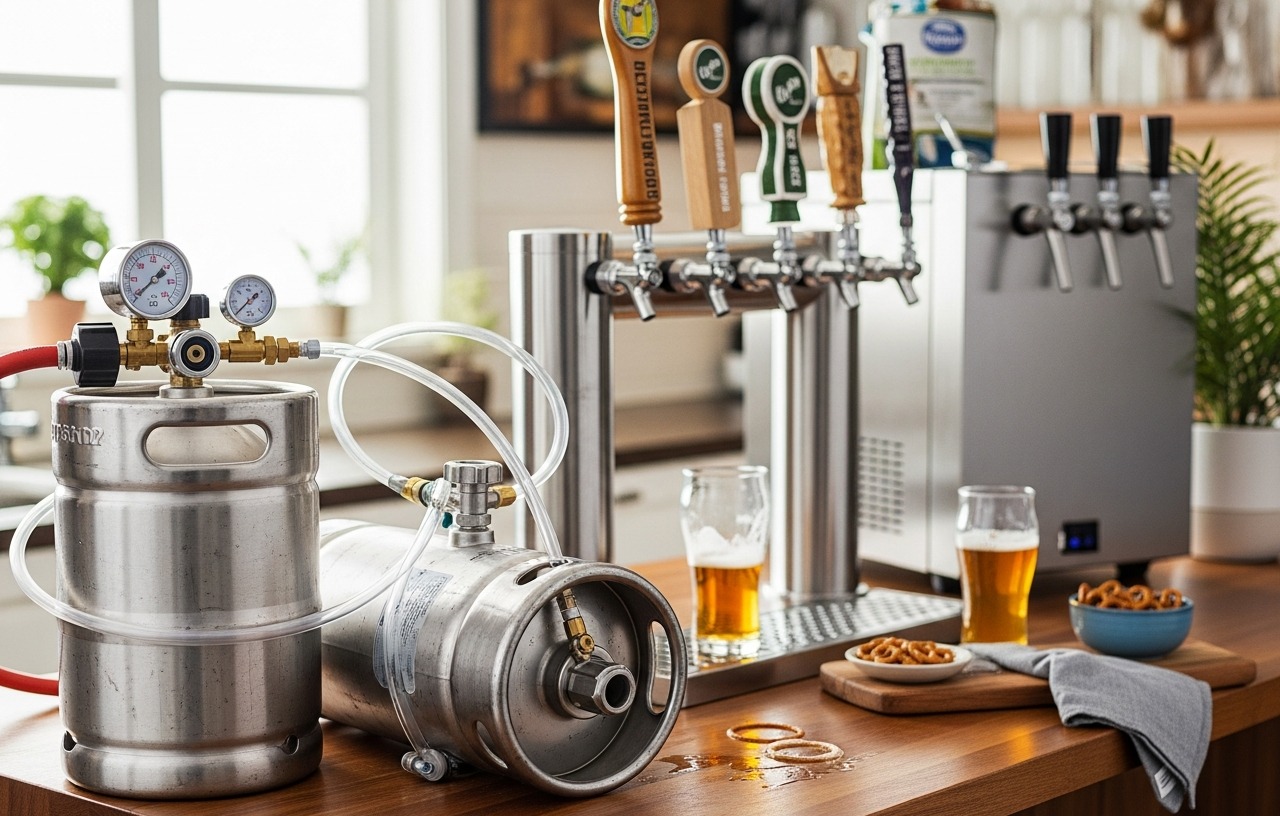
For those who want a professional-grade setup, a premium multi-tap kegerator offers maximum convenience, aesthetics, and capacity. This might involve a commercial-style kegerator or a custom-built keezer.
- Three new 5-gallon kegs: $390 ($130 each)
- New 10 lb CO2 tank: $150
- Three-way CO2 manifold with regulator: $200
- Three sets of gas and liquid disconnects: $90
- Tubing (20 ft gas, 20 ft liquid): $60
- Three premium stainless steel faucets, shanks, and custom tap handles: $450 ($150 each)
- Dedicated multi-tap kegerator: $800-$1,500 (average $1,150)
Total Estimated Cost for a Premium Multi-Tap Kegerator System: $2,490.
This high end setup allows for serving multiple unique beverages at once, often with precise temperature control and an attractive presentation. The investment reflects the increased capacity and specialized equipment.
DIY vs. Pre-Assembled Systems
Deciding between building your own system from individual components or buying a complete kit affects both cost and convenience.
Building Your Own System (DIY)
DIY assembly is almost always the most cost effective approach. You can source used parts, shop for deals, and upgrade components over time. For example, buying a used chest freezer and a kegerator conversion kit saves hundreds compared to a pre-built unit.
The main trade-off is time and effort. You will spend hours researching, sourcing, cleaning, and assembling the various parts. It also requires some basic mechanical aptitude. If a part like a regulator gauge breaks, replacing it yourself is a simple fix. A new gauge might cost $15-$30. Hiring a general technician for such a small job would be impractical, with service call fees alone typically $80-$150, making DIY the only sensible option for minor component failures.
Buying a Pre-Assembled Kit or Kegerator
Pre-assembled kits, particularly those that include all necessary dispensing hardware, offer convenience. They often come with instructions, and all components are guaranteed to work together. A complete single-tap kegging kit (without refrigeration) can cost $350-$550.
A dedicated kegerator (which includes the refrigeration unit and dispensing hardware) is the ultimate in convenience. These systems are ready to use out of the box, often with warranties. However, they carry the highest price tag, as seen in the premium system breakdown. The premium is for ease of setup and often a more polished appearance.
Ongoing Costs for Your Kegging System
The initial purchase is not the only expense. Maintaining your kegging system involves a few recurring costs.
- CO2 Refills: As mentioned, expect to pay $15-$40 per refill, depending on tank size and local prices.
- Cleaning Supplies: Proper sanitation is vital for good beer. Star San or PBW (Powdered Brewery Wash) are common. A bottle of Star San costs about $15 and lasts many uses.
- Replacement Parts: O-rings, poppets, and beer line can wear out. A basic O-ring kit is $5-$10. Tubing replacement might be $10-$20 every few years.
Making Your Decision
The cost of a kegging system varies widely, primarily based on how many taps you want, the quality of components, and whether you choose to build it yourself or buy a pre-assembled unit. A basic setup can be achieved for under $400, while a robust multi-tap system can exceed $2,000.
Consider your budget, your technical comfort level for assembly, and your long term brewing goals. Investing in a kegging system offers significant benefits for any homebrewer looking to elevate their serving experience. It saves time on bottling and provides a professional presentation for your homemade beverages.