
North Mountain Supply 1 Gallon Glass Fermenting Jug with Handle, 6.5 Rubber Stopper, 2-Piece Airlock, Black Plastic Lid - Set of 1
- North Mountain Supply 1 Gallon Glass Fermenting Jug with Handle, 6. 5 Rubber Stopper, 3-Piece Airlock, and.
- Perfect for fermenting and brewing beer, wine, kombucha and more
- Works great for making a large yeast starter, experimenting with fruit flavors in your wine or beer, or.
- Made in the USA

FastRack 1 Gallon Glass Jug with Black Polyseal Cap, 6.5 Rubber Bung & Twin Bubble Airlock to Fermentation jugs for Home Brewing,
- [WHAT'S INCLUDED] With this purchase, you'll receive a clear 1 gallon glass jug (128 oz, 3.8 liter), with.
- [MULTIPURPOSE USE] FastRack glass gallon jugs are what you need among your home brewing supplies to brew.
- [SUSTAINABLE & REUSABLE] This 128 oz glass jar is a sustainable alternative to plastic containers, this.
- [TRANSPARENT FOR EASY MONITORING] The clear glass allows you to easily monitor the contents, whether.

Fastrack 2 Gallon Fermenting Bucket with Lid | White | Food Grade Plastic Container with Handle | BPA-Free for Beer, Wine,
- WHAT'S INCLUDED: With this purchase, you'll receive a 2 gallon beer fermenter made from food grade HDPE.
- This sturdy fermenting bucket is the same reliable option included in many of our kits. Made from.
- Lightweight and easy to carry, the FastRack Plastic fermenting bucket is much easier to get rid of.
- At FastRack, we stand behind the quality of our products and the trust our customers place in us. Your.
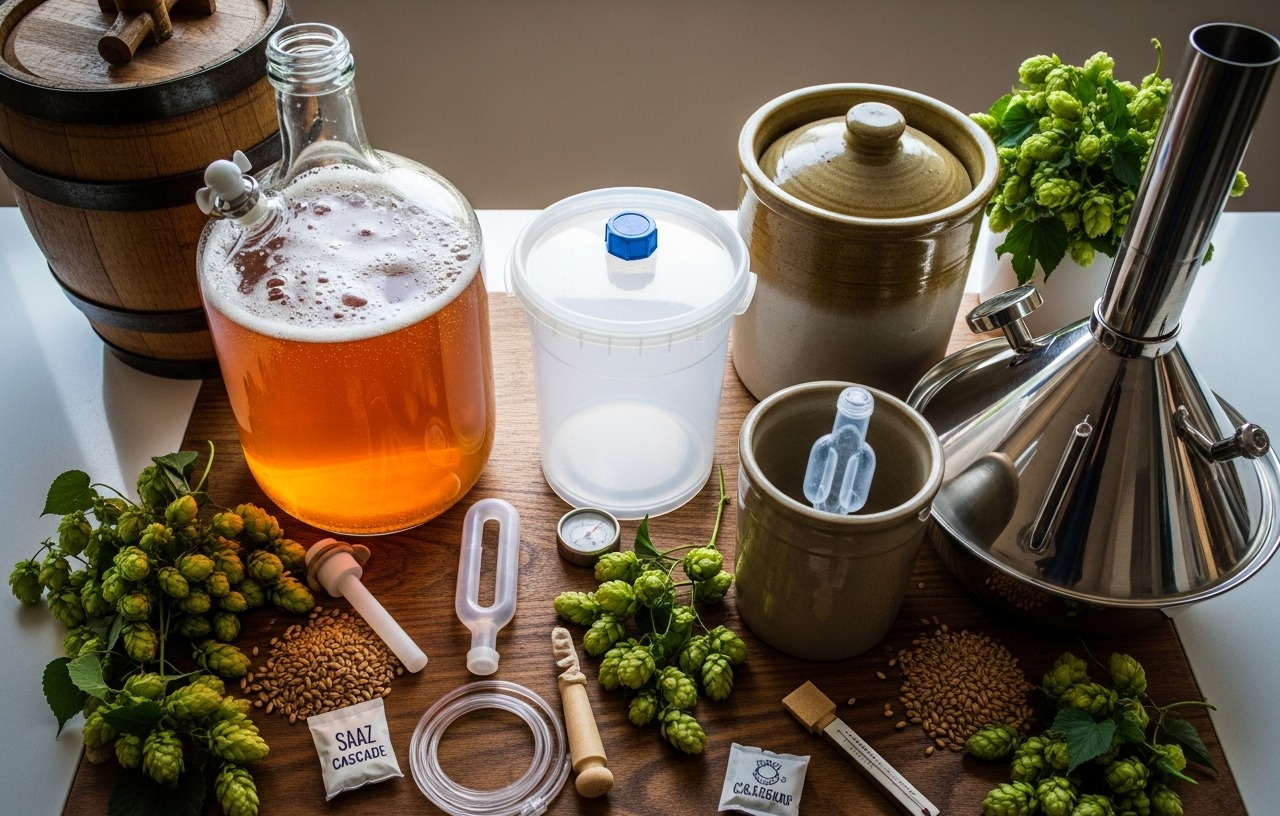
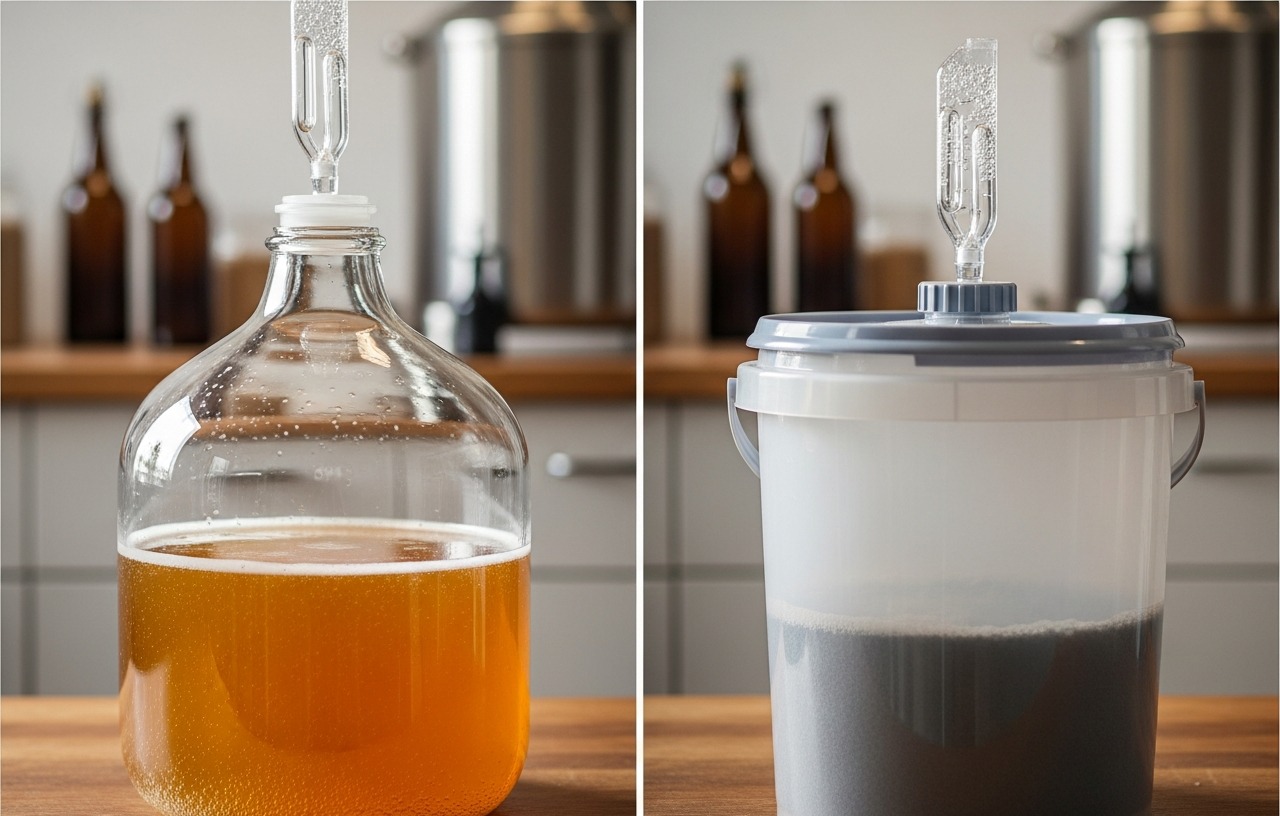
A sudden off-flavor in a batch of homebrew or kombucha often traces back to issues with the fermentation vessel itself. For many home brewers, the choice between a glass carboy and a plastic fermenter is a fundamental decision affecting both the brewing process and the final product. While both have merits, the North Mountain Supply 1 Gallon Glass Fermenting Jug with Handle stands out as the top pick for its versatility, ease of cleaning, and reduced risk of off-flavors, making it ideal for beginners and small batch experimentation.
Home brewing requires careful consideration of every piece of equipment. The primary fermentation vessel is arguably the most critical. It houses your wort or tea during its transformative journey. Understanding the pros and cons of carboy glass vs plastic options will significantly improve your brewing experience and the quality of your finished product.
Glass Carboys: Clarity, Purity, and Caution
Glass carboys have been a staple in home brewing for decades. They offer a traditional aesthetic and provide distinct advantages for fermenting beer, wine, mead, and kombucha. Their transparency allows brewers to observe the fermentation process firsthand, watching krausen form and yeast activity unfold. This visual feedback is invaluable for monitoring progress.
Strengths of Glass Carboys
- Non-Porous Surface: Glass is completely non-porous. A properly cleaned glass carboy is truly sterile.
- Oxygen Barrier: Glass provides an excellent oxygen barrier. This is particularly important for long term aging of wines or secondary fermentation of beers, where oxygen exposure can lead to oxidation and off-flavors.
- Visibility: The clear nature of glass allows brewers to see the fermentation in action. You can monitor krausen levels, yeast flocculation, and sediment without opening the vessel.
- Durability (Chemical): Glass does not degrade over time due to contact with acids, alcohols, or sanitizers, ensuring a long lifespan with proper physical care.
Weaknesses of Glass Carboys
- Fragility: Glass is inherently fragile. A dropped carboy can shatter, creating a hazardous situation with broken glass and fermenting liquid. Even minor bumps can cause cracks.
- Weight: Full glass carboys are very heavy. A 5-gallon glass carboy filled with liquid weighs over 50 pounds, making it challenging to move, especially after cleaning.
- Narrow Neck: Most glass carboys have narrow openings, making them difficult to clean manually. Specialty brushes are often necessary. Transferring ingredients like fruit or hops can also be tricky.
- Cost: Glass carboys tend to be more expensive upfront than basic plastic fermenters.
Recommended Glass Carboy Options
North Mountain Supply 1 Gallon Glass Fermenting Jug with Handle
This 1-gallon glass fermenting jug is an excellent choice for brewers experimenting with small batches, yeast starters, or making kombucha. It includes a handle, a 6.5 rubber stopper, and a 2-piece airlock, offering a complete small-scale fermentation solution. The handle significantly improves portability and safety compared to standard 1-gallon jugs without one. Based on product specs, this jug is perfect for trying out new fruit flavors in wine or beer. This is our top pick for its overall value and utility, especially for smaller projects.
FastRack 6 Gallon Glass Carboy
For those needing a larger volume, the FastRack 6 Gallon Glass Carboy is a robust option crafted from authentic Italian glass. This clear fermenter is ideal for standard 5-gallon beer batches, wine fermentation, or larger kombucha productions. It offers the superior oxygen barrier and visibility characteristic of glass. The 6-gallon size provides ample headspace for vigorous fermentation. It comes with a #6.5 rubber bung and a twin bubble airlock, making it ready for immediate use. It is a sustainable and reusable alternative to plastic containers. This jug is excellent for small experimental batches or creating yeast starters. Its typical price is between $18 and $25.
FastRack 5 Gallon Italian Glass Carboy
Another high quality option from FastRack, this 5 Gallon Italian Glass Carboy is designed for home brewers who prefer the traditional 5-gallon batch size. Made from durable Italian glass, it fits a #7 stopper (sold separately). This fermenter is suitable for beer, wine, or kombucha. Its clear construction allows for easy monitoring of fermentation. Prices for this carboy usually fall between $48 and $58.
FastRack 1 Gallon Glass Jug with Black Polyseal Cap, 6.5 Rubber Bung & Twin Bubble Airlock
This FastRack 1-gallon glass jug combines the benefits of glass with added versatility. It includes a black polyseal cap, a 6.5 rubber bung, and a twin bubble airlock. The polyseal cap is useful for long term storage or transporting finished products. This 128 oz glass jar is a sustainable choice for various brewing tasks. Expect to find this jug priced from $20 to $27.
Plastic Fermenters: Light, Durable, and Practical
Plastic fermenters, often buckets or specialized conical fermenters, have gained popularity for their practical advantages. They are lighter and less prone to breakage, making them a preferred choice for many, especially beginners or those with limited space.
Strengths of Plastic Fermenters
- Durability: Plastic fermenters are far less fragile than glass. They can withstand bumps and drops without shattering, making them safer and more forgiving.
- Light Weight: Even full, plastic fermenters are significantly lighter than their glass counterparts, simplifying transport and handling.
- Wider Openings: Most plastic fermenters, especially buckets, have wide openings. This makes cleaning much easier, allowing access for scrubbing by hand. It also simplifies adding ingredients like fruit or hops.
- cost effective: Generally, plastic fermenters are cheaper to purchase initially. This makes them a budget-friendly option for new brewers looking to assemble a homebrew starter kit.
Weaknesses of Plastic Fermenters
- Scratching: Plastic surfaces are susceptible to scratches, even from soft brushes. These scratches can harbor bacteria and wild yeasts, leading to infection and off-flavors.
- Oxygen Permeability: Standard food-grade plastic, like HDPE, is slightly permeable to oxygen over time. This can be a concern for long term aging, as it can lead to oxidation.
- Staining and Odor Retention: Plastic can stain from dark liquids like stout or red wine. It can also absorb odors from strong-smelling ingredients, potentially transferring them to future batches.
- Less Visibility: Most plastic fermenters are opaque, preventing visual monitoring of the fermentation process.
Recommended Plastic Fermenter Options
Fastrack 6.5 Gallon Fermenting Bucket with Lid
This 6.5-gallon fermenting bucket is a common and reliable choice for brewers making standard 5-gallon batches. Made from 100% food-grade, BPA-free HDPE plastic, it offers durability and a wide opening for easy cleaning. It is a sturdy option often included in starter kits. Its lightweight nature makes it easy to move when full. Crafted from food-grade HDPE plastic, it is lightweight and includes a handle for easy transport. This smaller bucket shares the durability and easy-to-clean wide opening of its larger counterpart. It generally costs between $16 and $24.
Speidel 30L (7.9 Gallon) Plastic Fermenter with Spigot, Bung & Airlock
Speidel fermenters are highly regarded in the brewing community. This 30L (7.9 gallon) model is made from thick, undyed HDPE plastic, which resists oxygen transfer more effectively than thinner plastics. It features molded handles for reliable support and a wide top opening for easy cleaning. The integrated spigot simplifies transfers and bottling. This fermenter offers excellent durability and a reputation for quality. Expect to pay between $65 and $85 for this premium plastic fermenter.
Glass Carboy vs Plastic Fermenter Comparison Table
| Feature | Glass Carboy | Plastic Fermenter |
|---|---|---|
| Material | Non-porous glass | Food-grade HDPE plastic |
| Transparency | Clear (excellent visibility) | Opaque (no visibility) |
| Durability (Physical) | Fragile, prone to shattering | Very durable, impact-resistant |
| Durability (Chemical) | Excellent, no degradation | Can scratch, absorb odors/stains over time |
| Oxygen Barrier | Superior | Good, but slightly permeable over time |
| Weight (Empty) | Heavy | Lightweight |
| Cleaning Access | Narrow neck, requires brushes | Wide opening, easy hand access |
| Average Cost | Higher initial cost ($18-$65+) | Lower initial cost ($15-$85+) |
| Risk of Infection | Low (if properly sanitized) | Moderate (scratches can harbor bacteria) |
Which Fermenter is Right for Your Brew?
The ideal fermentation vessel depends on your brewing style, experience level, and specific needs. Both carboy glass vs plastic options have a place in the home brewery.
For the Beginner Brewer
New brewers might appreciate the forgiving nature and lower initial cost of plastic fermenters like the Fastrack 6.5 Gallon Fermenting Bucket. Its durability reduces the risk of costly accidents. However, for those starting with smaller batches or kombucha, the North Mountain Supply 1 Gallon Glass Fermenting Jug with Handle provides excellent visibility and sanitation for a reasonable price, offering a great introduction to quality fermentation without the bulk of a large carboy. Many homebrew starter kits include plastic buckets for their ease of use.
For the Experienced Brewer
Experienced brewers often use a combination of both. Glass carboys, such as the FastRack 6 Gallon Glass Carboy or FastRack 5 Gallon Italian Glass Carboy, are preferred for secondary fermentation, lagering, or long term aging of wines and meads where oxygen exposure must be minimized. Their excellent oxygen barrier protects delicate flavors. Plastic buckets, like the Speidel 30L (7.9 Gallon) Plastic Fermenter, are popular for primary fermentation due to their wide openings, which simplify pitching yeast and dry hopping. The Speidel's thick plastic offers better oxygen resistance than standard buckets.
For Small Batch & Experimental Brewing
The 1-gallon glass jugs, including the FastRack 1 Gallon Glass Jug with #6.5 Rubber Bungs & Twin Bubble Airlocks and the FastRack 1 Gallon Glass Jug with Black Polyseal Cap, 6.5 Rubber Bung & Twin Bubble Airlock, are perfect for small-scale experiments. They allow brewers to test different yeast strains, hop varieties, or fruit additions without committing to a full 5-gallon batch. The North Mountain Supply 1 Gallon Glass Fermenting Jug with Handle is particularly convenient due to its integrated handle.
For Kombucha and Mead Makers
Glass is often favored for kombucha and mead due to its non-reactive nature. The long fermentation times and acidic environment of kombucha benefit from glass's complete resistance to staining and odor retention. The North Mountain Supply 1 Gallon Glass Fermenting Jug is an excellent choice for continuous brew kombucha setups or small mead batches. For larger kombucha operations, a FastRack 6 Gallon Glass Carboy provides sufficient volume.
Maintenance and Cleaning Considerations
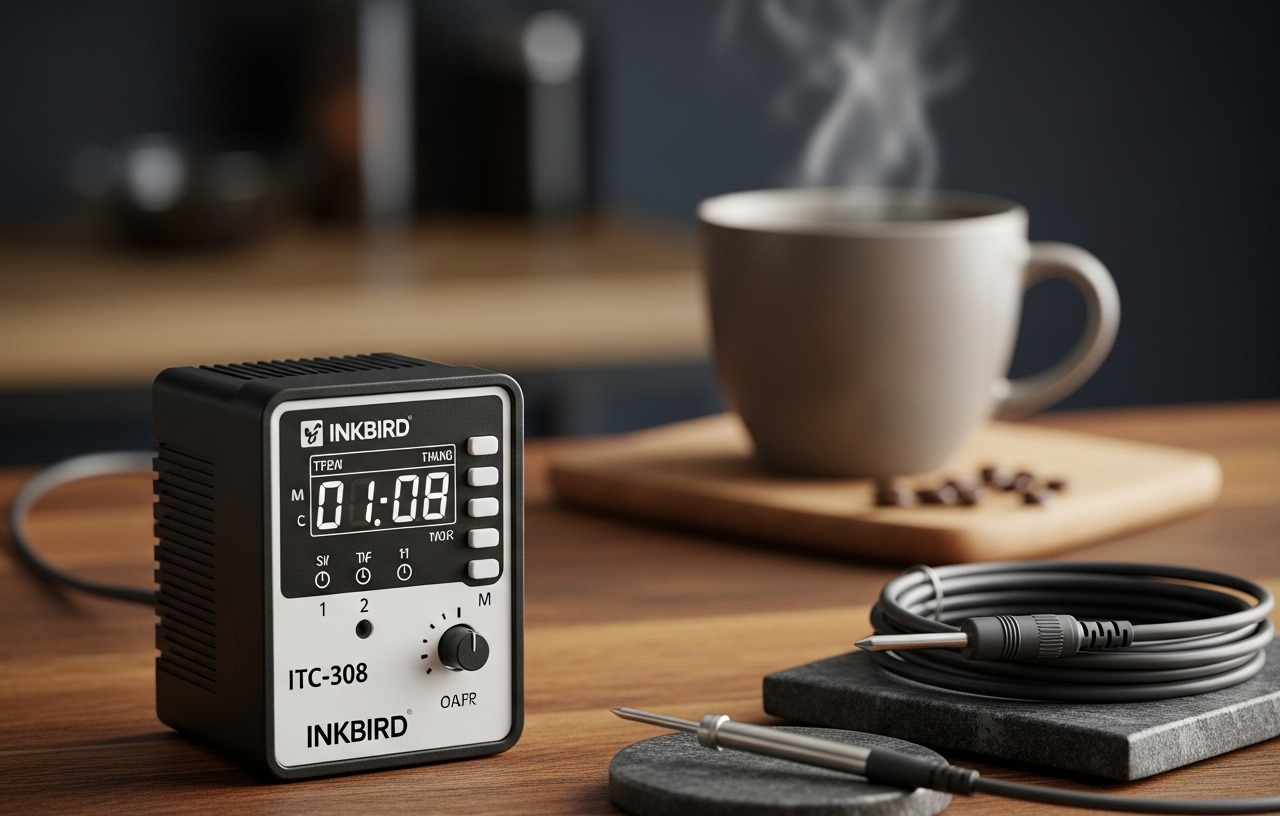
Proper cleaning and sanitization are vital for any fermentation vessel. Glass carboys are easy to sanitize because their smooth, non-porous surface leaves no hiding places for microbes. However, their narrow necks mean specialized brushes are often needed. Be careful not to drop or hit glass carboys during cleaning. For plastic fermenters, their wide openings make manual scrubbing simple. However, brewers must use soft cloths or sponges to avoid scratching the plastic. Scratches can become breeding grounds for unwanted microorganisms, leading to off-flavors or stalled fermentation. Always follow proper sanitization protocols, regardless of the vessel material. You can learn more about this process in our guide on How to Sanitize Brewing Equipment for Beer: A Practical Guide. For optimal fermentation, consider using a fermentation temperature controller with either vessel type.
Final Thoughts on Fermenter Selection
The choice between a glass carboy and a plastic fermenter ultimately depends on individual priorities. Glass offers superior clarity, sanitation, and oxygen protection, making it excellent for long term aging and visual monitoring. Its drawbacks include fragility and weight. Plastic provides durability, lightness, and easier cleaning access, often at a lower cost, though it requires more vigilance against scratches and oxygen exposure. Many brewers find that having both types of vessels allows for flexibility. They can use plastic for primary fermentation and glass for secondary or aging. Consider your batch size, budget, and how often you move your fermenters when making your decision.
North Mountain Supply 1 Gallon Glass Fermenting Jug with Handle, 6.5 Rubber Stopper, 2-Piece Airlock, Black Plastic Lid - Set of 1
- North Mountain Supply 1 Gallon Glass Fermenting Jug with Handle, 6. 5 Rubber Stopper, 3-Piece Airlock, and.
- Perfect for fermenting and brewing beer, wine, kombucha and more
- Works great for making a large yeast starter, experimenting with fruit flavors in your wine or beer, or.
- Made in the USA
FastRack 1 Gallon Glass Jug with Black Polyseal Cap, 6.5 Rubber Bung & Twin Bubble Airlock to Fermentation jugs for Home Brewing,
- [WHAT'S INCLUDED] With this purchase, you'll receive a clear 1 gallon glass jug (128 oz, 3.8 liter), with.
- [MULTIPURPOSE USE] FastRack glass gallon jugs are what you need among your home brewing supplies to brew.
- [SUSTAINABLE & REUSABLE] This 128 oz glass jar is a sustainable alternative to plastic containers, this.
- [TRANSPARENT FOR EASY MONITORING] The clear glass allows you to easily monitor the contents, whether.
Fastrack 2 Gallon Fermenting Bucket with Lid | White | Food Grade Plastic Container with Handle | BPA-Free for Beer, Wine,
- WHAT'S INCLUDED: With this purchase, you'll receive a 2 gallon beer fermenter made from food grade HDPE.
- This sturdy fermenting bucket is the same reliable option included in many of our kits. Made from.
- Lightweight and easy to carry, the FastRack Plastic fermenting bucket is much easier to get rid of.
- At FastRack, we stand behind the quality of our products and the trust our customers place in us. Your.