![Twin Bubble Airlock Set [6 Pack], Brew Kits Airlocks for Fermenting,Fermentation Airlock with 6 Stoppers + 12 Grommets](https://m.media-amazon.com/images/I/61t7lKv2FHL._AC_SX679_.jpg)
Twin Bubble Airlock Set [6 Pack], Brew Kits Airlocks for Fermenting,Fermentation Airlock with 6 Stoppers + 12 Grommets
- A More Complete Brewing Airlock Kit: If you need a fermenting airlocks that can be used for a long time.
- Improved High Transparency Bubble Airlock :Different than other normal S shape airlocks in the market,our.
- Improved Cap Easy On and OFF :This new type of dust cap has a zigzag design on the surface and will not.
- Reusable and Widely Application :These Bubble Airlock Sets are solid and reusable.They can lasts for a.

Masontops Pickle Pipes - Airlock Fermentation Lids - Fermentation Kit for Small Mouth Mason Jar Sauerkraut & Pickle Kit
- These premium quality self burping ferment caps have a one way waterless valve to vent gas automatically.
- Fermenting is tricky without the right pickling kit supplies and equipment. Strong pressure presents & can.
- No need for fancy kimchi containers! Ferment your own sauerkraut, pickles, kimchi & more. Pickle Pipes can.
- Our waterless pipe system is comprised of a low-profile lid that makes storage easier. Our silicone.
A silent airlock during fermentation rarely means your batch is ruined. More often, it indicates a completed fermentation, a slow start, or a small air leak. Understanding the true cause requires a bit of investigation, but the solutions are usually simple. Do not panic if your airlock is not actively bubbling.
The Most Common Cause: Fermentation is Already Done or Very Slow
Many new home brewers assume constant, vigorous bubbling is the only sign of healthy fermentation. This is not always the case. Fermentation starts strong, often producing a thick layer of foam called krausen, and then slows down as sugars are consumed. The activity in your airlock directly correlates to the CO2 production from the yeast. Once most of the fermentable sugars are gone, CO2 production diminishes, and bubbling stops.
Check for Signs of Active Fermentation
Before assuming a problem, look for other indicators of yeast activity:
- Krausen: A foamy, bubbly ring or layer on top of your liquid is a definite sign of active fermentation. This often appears early and then recedes. You can read more about What is Krausen? Explaining Its Role in Brewing to better identify active fermentation signs.
- Sediment: A layer of yeast and trub (proteins, hop matter) at the bottom of the fermenter shows yeast has been at work.
- Cloudiness: Actively fermenting liquid is often cloudy.
- Smell: A distinct, yeasty, or alcoholic aroma when you open the fermenter (briefly) indicates fermentation is happening.
Measure Specific Gravity
The most accurate way to determine if fermentation is occurring, or if it has finished, is by measuring the specific gravity (SG) of your liquid with a hydrometer. Take an initial reading (Original Gravity, OG) before pitching yeast. After a few days, take another reading. If the SG has dropped, fermentation is happening. If the SG is stable over 2-3 days and is at or near your target Final Gravity (FG), your fermentation is complete, regardless of airlock activity. For beginners, selecting the right equipment is important. Our article on Best Homebrew Starter Kits provides excellent starting points.
Air Leaks: Gas Escaping Elsewhere
If your fermentation is genuinely active but your airlock is silent, an air leak is the next most likely culprit. CO2 produced by the yeast will always take the path of least resistance. If there is a small gap anywhere in your fermenter setup, the gas will escape there instead of pushing through the water in your airlock.
Common Leak Points
- Lid or Bung Seal: The most frequent source of leaks. Make sure the lid on your bucket fermenter is securely snapped down all around, or that the bung (stopper) in your carboy is firmly seated.
- Airlock Itself: Inspect the airlock for cracks. Make sure it is properly seated in the bung.
- Grommet: If your fermenter lid has a grommet for the airlock, make sure it is not cracked or loose.
- Spigot or Thermometer Port: Less common, but check these points for leaks, especially if they are threaded or have gaskets.
How to Detect and Fix Leaks
- Visual Inspection: Carefully look around all seals for any gaps.
- Soap Test: Mix a small amount of dish soap with water to create a bubbly solution. Apply this solution around potential leak points. If CO2 is escaping, you will see new bubbles form where the gas is pushing through the soap film.
- Tighten and Adjust: Re-seat lids, push bungs in tighter, or adjust components.
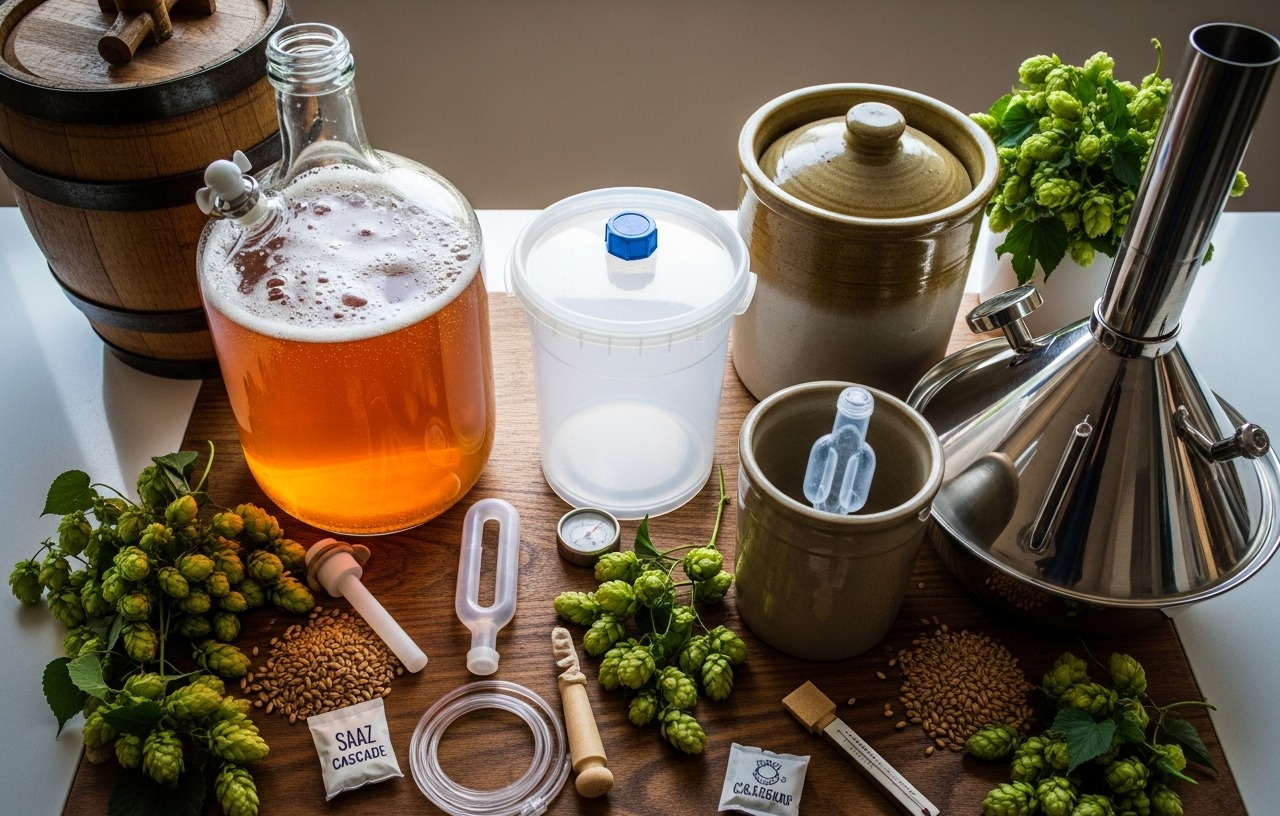
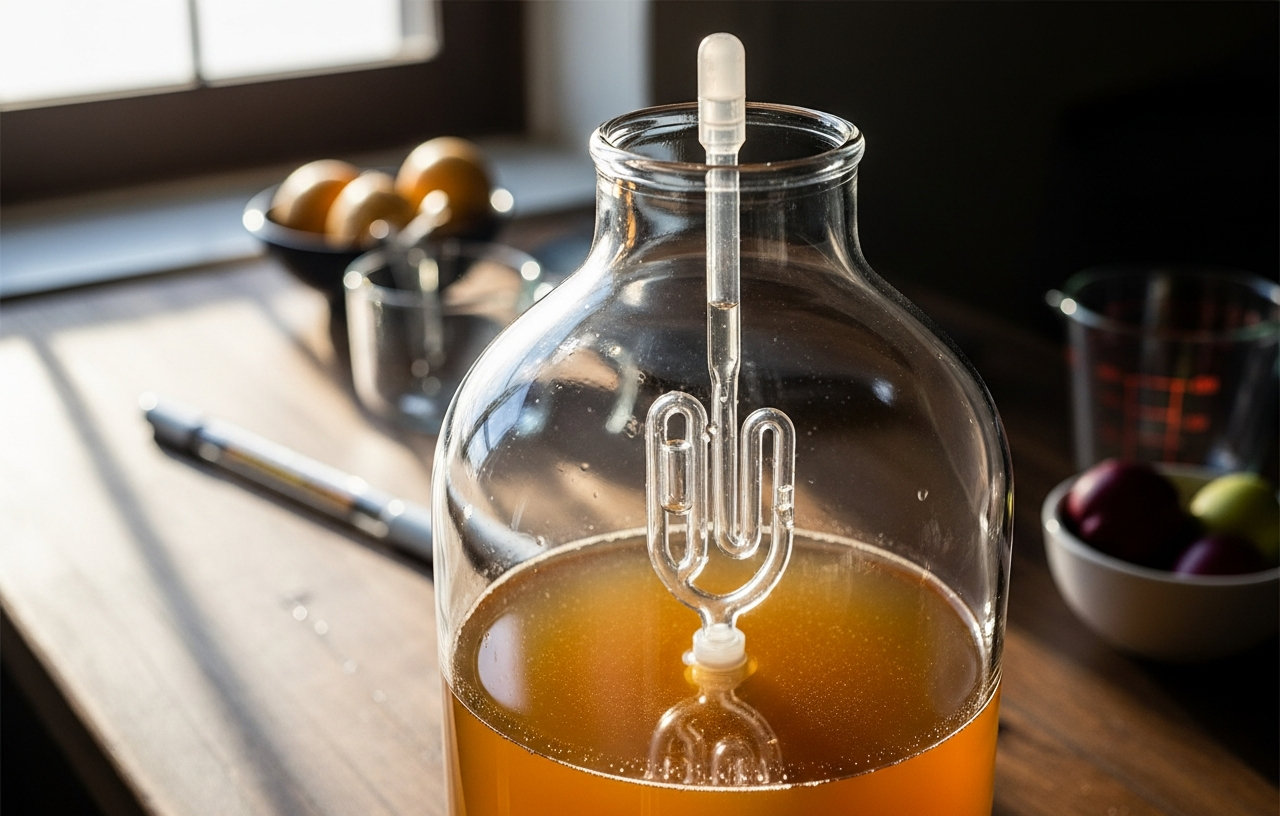
- Replace Components: If a bung, grommet, or airlock is old, cracked, or simply does not fit well, replace it. The Twin Bubble Airlock Set [6 Pack] is an excellent choice for this. It provides multiple airlocks, six stoppers, and twelve grommets, ensuring you have the right fit and spares. Based on user reviews, this set features improved high transparency and an easier-to-use cap design, making it a reliable option for various fermentation needs.
- Sealant: For stubborn leaks around a lid, a thin bead of petroleum jelly (Vaseline) or keg lube can help create a better seal. Apply it to the rim of the fermenter before snapping the lid on.
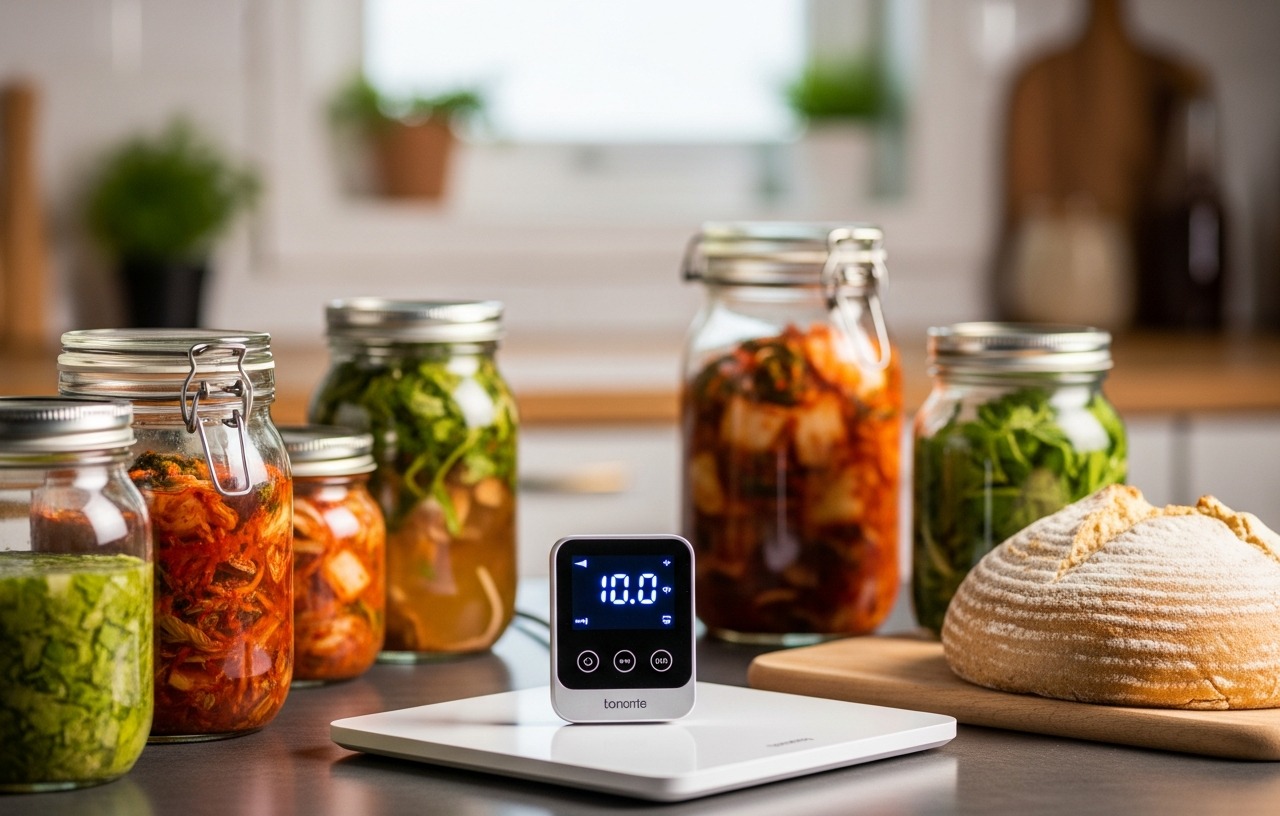
For smaller batch fermentations in mason jars, such as kombucha or pickles, a standard airlock system might not be ideal. Masontops Pickle Pipes are self-burping fermentation lids designed for small mouth mason jars. These airlocks feature a one-way waterless valve that automatically vents gas, according to manufacturer data. They eliminate the need for traditional airlocks and make small-scale fermenting simpler.
Temperature Issues: Too Cold or Too Hot
Yeast are living organisms, and their activity is highly dependent on temperature. Deviations from their ideal range can significantly impact fermentation speed and visible activity.
Too Cold
If your fermenter is too cold, the yeast will become sluggish, ferment slowly, and produce less CO2. This can make it appear as though fermentation has stalled or not even started. Most ale yeasts prefer temperatures between 60-72°F (15-22°C), while lagers prefer cooler temperatures (45-55°F or 7-13°C). Kombucha SCOBYs also have specific temperature needs.
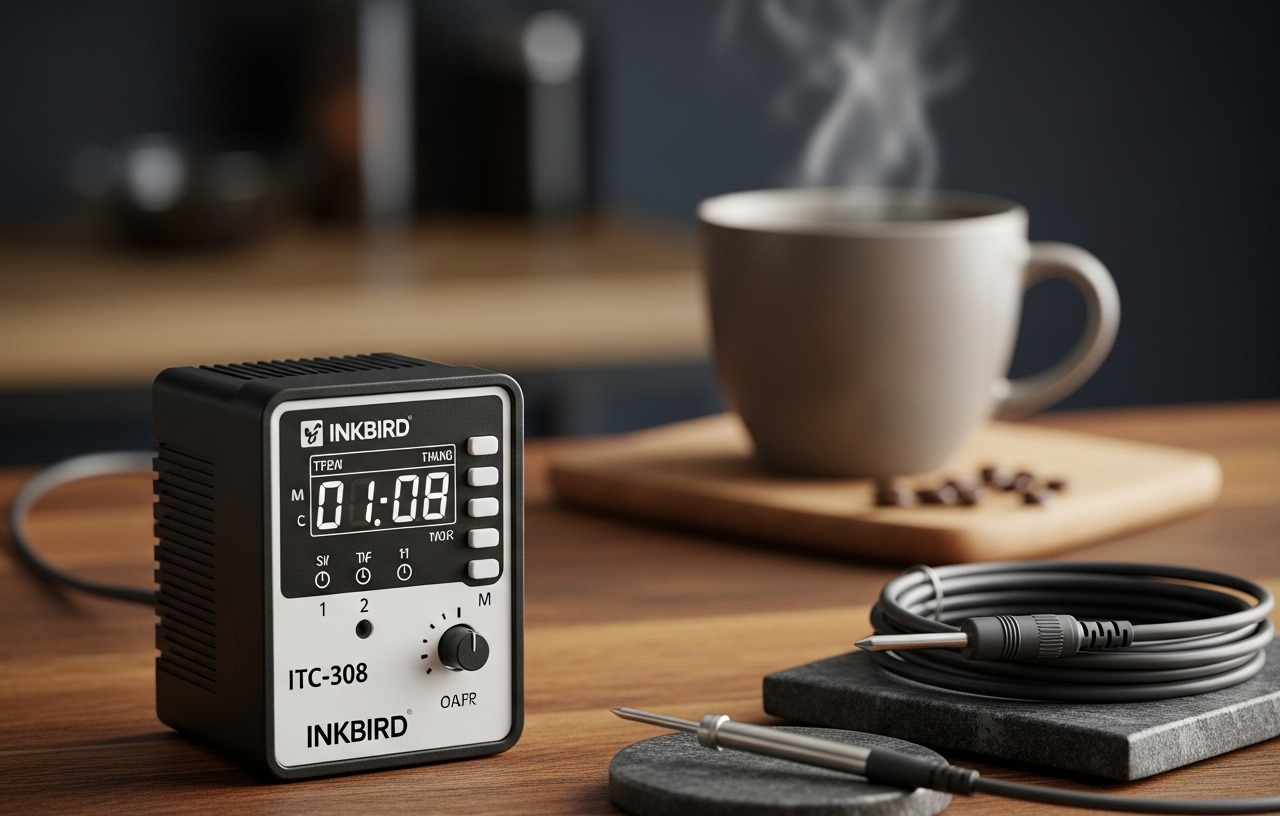
Solution: Move your fermenter to a warmer location. Use a fermentation temperature controller, a heating pad, or a fermentation wrap to maintain a consistent temperature within the yeast's optimal range. Checking your specific gravity with a hydrometer is the most reliable way to monitor fermentation progress. Learn more about optimal fermentation environments in our guide to Best Fermentation Temperature Controllers.
Too Hot
While less likely to cause a complete lack of bubbling, excessively high temperatures can cause yeast to ferment very rapidly, finishing quickly and then becoming silent. It can also produce off-flavors. If your batch fermented vigorously for only a day or two and then stopped bubbling completely, high temperatures might be a factor.
Solution: Move your fermenter to a cooler spot, or use a temperature controller with a cooling function (like a swamp cooler or fermentation fridge) to bring the temperature down to the recommended range.
Yeast Health and Pitch Rate
The health and quantity of your yeast play a vital role in fermentation. If you pitched too little yeast, or if your yeast was old, expired, or improperly rehydrated, it might struggle to start or complete fermentation.
Common Yeast Problems
- Under-pitching: Not enough yeast cells to handle the volume of wort or must.
- Old or Dead Yeast: Yeast has a shelf life. Expired yeast packets may have a low viability count.
- Improper Rehydration: Dry yeast often needs rehydration in warm water before pitching. Skipping this step or using water that is too hot or cold can harm the yeast.
Solutions
If you suspect yeast issues and your specific gravity has not dropped, you can try re-pitching fresh, healthy yeast. Make sure to buy yeast with a good expiration date and follow the manufacturer's rehydration instructions carefully. Consider making a yeast starter for higher gravity brews to ensure you have enough active cells.
Original Gravity or Sugar Content Issues
This cause is less common for standard recipes but can occur if there was a problem with your recipe formulation or wort preparation. If there are not enough fermentable sugars in your wort or must, the yeast will have little to convert into alcohol and CO2, resulting in minimal or no airlock activity.
How to Check and Fix
This problem is typically identified during the brewing process by taking an Original Gravity (OG) reading before pitching yeast. If your OG is significantly lower than expected for your recipe, it might indicate an issue with your mash efficiency (for all-grain brewers) or an incorrect amount of fermentable sugars added (for extract or fruit-based ferments). For a batch already in fermentation, if the SG remains high and stable, and you have ruled out other issues, you might have a stuck fermentation due to lack of nutrients or unfermentable sugars.
Solution: For a stuck fermentation, gently rouse the yeast by swirling the fermenter, or add yeast nutrients. In rare cases, adding a small amount of fresh fermentable sugar (like dextrose) and re-pitching yeast could restart activity, but this should be approached with caution to avoid over-carbonation or off-flavors.
When to Call a Professional
For most home fermentation issues like a silent airlock, a professional brewer or a brewing supply store expert can offer advice. However, calling a professional service for a single batch of homebrew is generally not cost effective. For issues with the liquid itself, or the fermentation process, consult experienced home brewers online forums or local clubs instead of a repair technician.
Do Not Dump Your Batch Prematurely
The most important advice is to avoid dumping your batch just because the airlock is not bubbling. Many excellent brews have come from silent fermentations. Always rely on specific gravity readings to confirm whether fermentation is truly complete or stalled. A little patience and systematic troubleshooting will usually lead to a successful batch.
Twin Bubble Airlock Set [6 Pack], Brew Kits Airlocks for Fermenting,Fermentation Airlock with 6 Stoppers + 12 Grommets
- A More Complete Brewing Airlock Kit: If you need a fermenting airlocks that can be used for a long time.
- Improved High Transparency Bubble Airlock :Different than other normal S shape airlocks in the market,our.
- Improved Cap Easy On and OFF :This new type of dust cap has a zigzag design on the surface and will not.
- Reusable and Widely Application :These Bubble Airlock Sets are solid and reusable.They can lasts for a.
Masontops Pickle Pipes - Airlock Fermentation Lids - Fermentation Kit for Small Mouth Mason Jar Sauerkraut & Pickle Kit
- These premium quality self burping ferment caps have a one way waterless valve to vent gas automatically.
- Fermenting is tricky without the right pickling kit supplies and equipment. Strong pressure presents & can.
- No need for fancy kimchi containers! Ferment your own sauerkraut, pickles, kimchi & more. Pickle Pipes can.
- Our waterless pipe system is comprised of a low-profile lid that makes storage easier. Our silicone.