
Fermentaholics Kombucha & Fermentation pH Test Strips to Instant Read pH Strips Dispenser for Brewing & Fermentation, pH Range 0 to 6
- Designed by home brewer: Instantly and accurately test the pH of kombucha, beer, wine, mead, vinegar, or.
- Easy, Instant & Accurate pH Testing: Just dip a strip in a liquid solution for 1-2 seconds and compare the.
- Ensures Your Kombucha Starting pH and Finished pH is Correct and Safe
- Elevate Your Brew: Knowing the pH allows you to monitor your kombucha brew progress to get better.

Plastic pH Test Strips, Universal Application (pH 0-14), 100 Strips | for Saliva, Soap, Urine, Food, Liquids, Water with Soil
- MEASURE pH LEVEL Our plastic pH test strips are ideal for testing the acidity in a wide range of products:.
- FAST RESULTS Take one strip from the case and dip it into your solution. The strip colors will change.
- PROPER STORAGE To ensure accuracy, store these pH strips in their original packaging and in a cool, dry.
- PH FULL RANGE AND INTERVALS Our pH 0-14 test strips are offered in increments by 1 pH unit. The pH color.
Kombucha that tastes too vinegary in second fermentation often points to one of three common issues: an overly long primary ferment, too much starter liquid, or incorrect temperature during either stage. This pronounced tartness can make your brew unpleasant. Understanding the root cause helps you adjust your process for a better-tasting kombucha batch.
The goal of kombucha brewing is a balance between sweetness and tartness. When the acetic acid bacteria become too dominant, the result is a sharp, vinegar-like flavor. This guide helps you identify why your kombucha is too vinegary and how to prevent it in future batches.
Checking Your Primary Fermentation
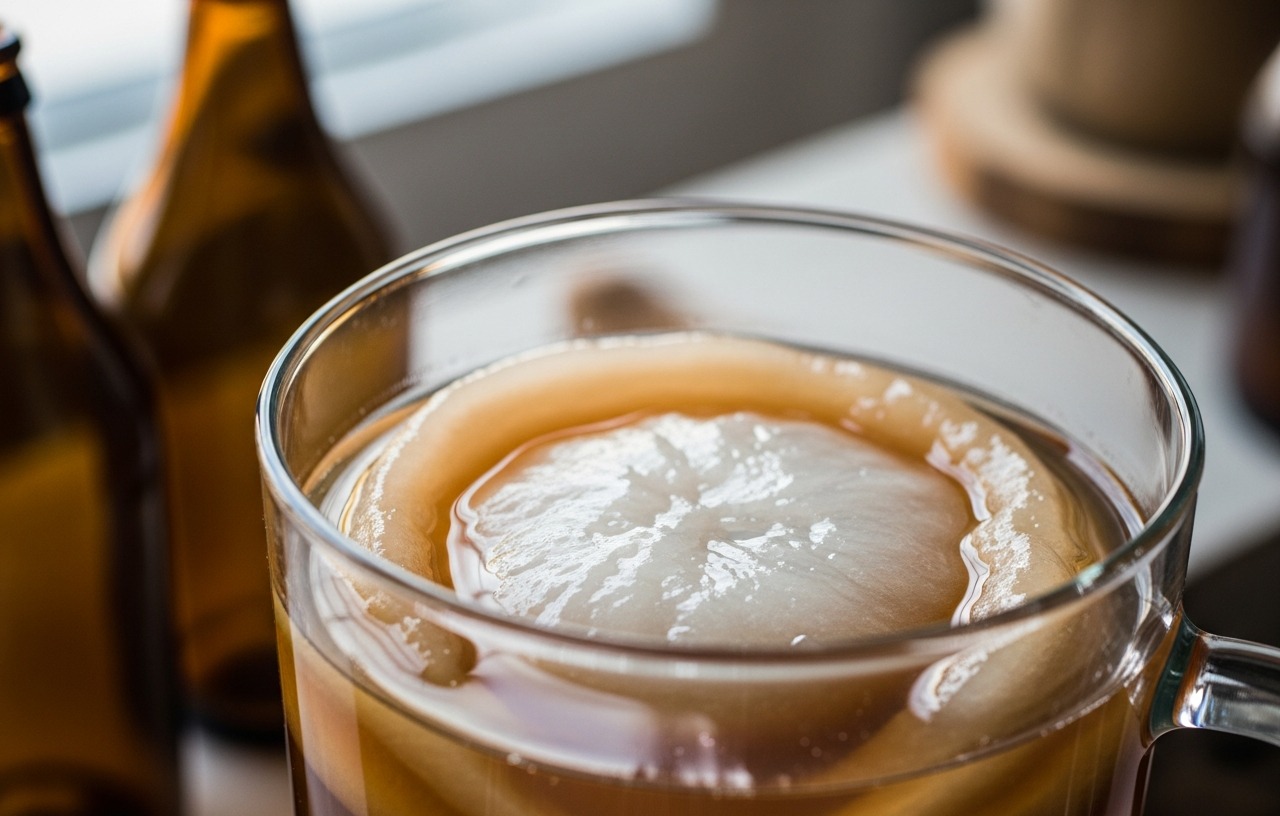
The primary fermentation (F1) is where the magic happens, transforming sweet tea into kombucha. This stage sets the foundation for your final flavor. If your F1 goes too long, the yeast and bacteria consume too much sugar, leading to an excessively acidic brew even before you add flavorings.
How to Test Primary Fermentation Length
A typical primary fermentation lasts 7 to 14 days, but this varies based on temperature, SCOBY size, and initial sugar content. Taste is your best indicator. After about 5-7 days, begin tasting your kombucha daily. Use a clean spoon or a small glass to draw a sample. You are looking for a balance: not too sweet, not too sour. It should have a pleasant tang.
Another reliable method is to measure the pH. A finished kombucha typically has a pH between 2.5 and 3.5. If your pH drops below 2.5, it is likely too vinegary. Measuring pH can provide an objective reading, especially for new brewers still developing their palate. The best kombucha starter kits often include pH strips or recommendations for them.
Using pH strips offers a quick way to gauge acidity. The Fermentaholics Kombucha & Fermentation pH Test Strips are designed for home brewers. They provide instant, accurate readings. Just dip a strip for 1-2 seconds and compare it to the color chart. This helps confirm your starting pH and finished pH are correct and safe.
If your primary ferment is consistently too tart, consider reducing the fermentation time by a day or two. You can also experiment with different tea blends. Some teas ferment faster than others.
Cost of Over-Fermentation
The primary cost of an over-fermented batch is wasted ingredients. This includes your tea, sugar, and any starter liquid. While you can sometimes use overly vinegary kombucha as a starter for a new batch or as cleaning vinegar, it is not ideal for drinking. Replacing ingredients might cost $5-$15 per batch, depending on the scale of your brew.
Evaluating Your Starter Liquid Ratio
The starter liquid, usually strong kombucha from a previous batch or a SCOBY hotel, introduces the necessary yeast and bacteria to your new brew. It also lowers the initial pH, protecting your brew from unwanted molds and bacteria. However, using too much starter liquid can accelerate fermentation too quickly, leading to a vinegary taste.
How to Test Starter Liquid Impact
For a 1-gallon batch, a common recommendation is 1-2 cups of strong starter liquid. If you are using more than this, or if your starter liquid itself is extremely acidic (e.g., from a neglected SCOBY hotel), it can push your new batch towards vinegar too fast. Observe your fermentation speed. If bubbles appear rapidly and a new SCOBY forms quickly, your starter might be too potent or too abundant.
To test this, try reducing the amount of starter liquid in your next batch. Start with 1 cup per gallon. Monitor the pH with strips like the Fermentaholics Kombucha & Fermentation pH Test Strips. These strips, designed by home brewers, offer a pH range of 0 to 6. This is perfect for kombucha. You can also try the Plastic pH Test Strips, Universal Application (pH 0-14), 100 Strips. These offer fast results for a wide range of liquids.
Additionally, make sure your starter liquid is not too old. If it has been sitting for months without fresh tea, its acidity will be very high. This can shock your new brew. Use fresh, active starter liquid whenever possible.
Cost of Incorrect Starter Ratio
Similar to over-fermentation, the cost here is primarily wasted ingredients. Adjusting the starter ratio is a free fix, but if you ruin a batch, you are out the cost of your tea and sugar. This is typically $5-$15 per gallon.
Controlling Fermentation Temperature
Temperature plays a significant role in fermentation speed and the balance of yeast and bacteria activity. Warmer temperatures generally speed up fermentation. They also favor acetic acid bacteria, which produce the vinegary taste. Cooler temperatures slow fermentation and can sometimes favor yeast, leading to more alcohol and less acetic acid.
How to Monitor and Adjust Temperature
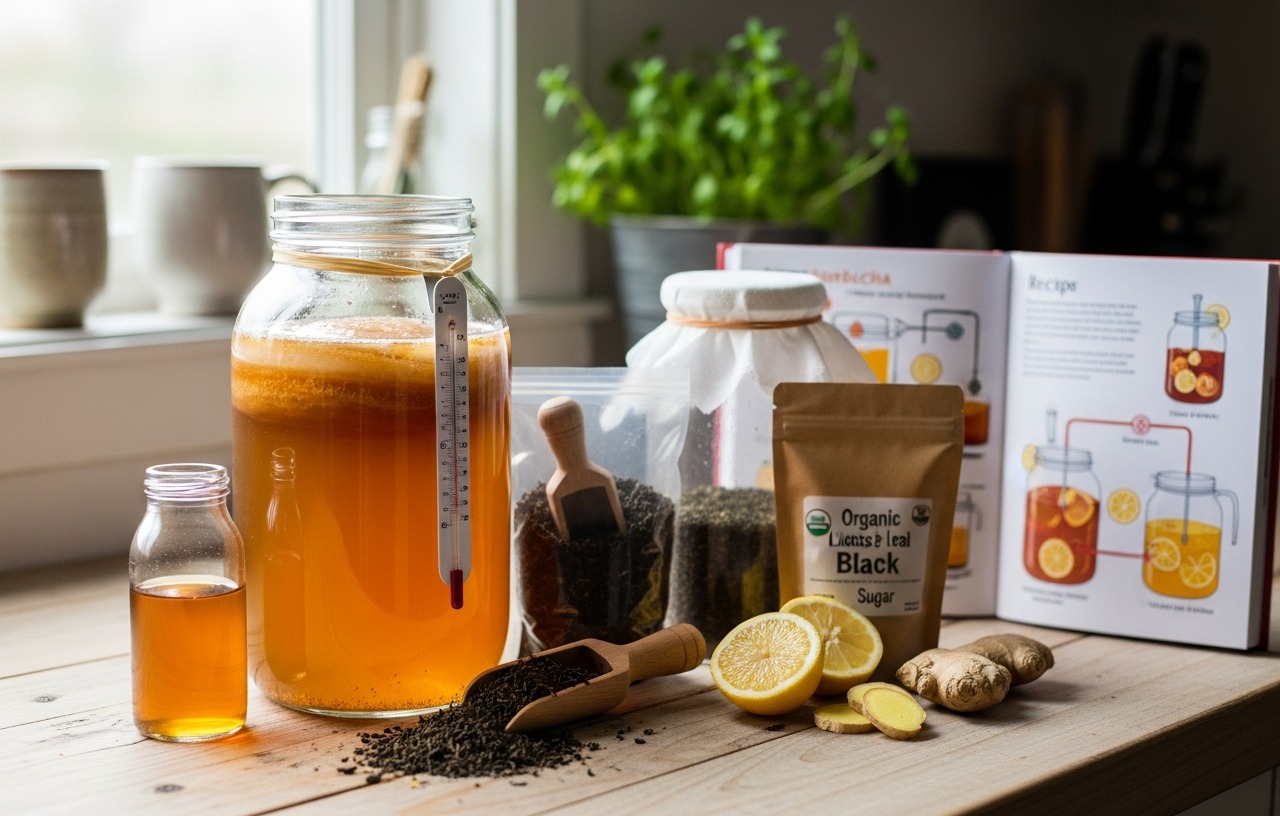
The ideal temperature range for kombucha primary fermentation is 75-85°F (24-29°C). If your brewing area is consistently above this range, your kombucha will ferment faster and become more acidic quickly. Use a stick-on thermometer on your fermentation vessel or a probe thermometer to monitor the ambient temperature around your brew.
If your environment is too warm, move your fermenter to a cooler spot in your home. If it is too cold, consider using a fermentation heating mat or wrap. Devices like the Inkbird ITC-308 fermentation controller can precisely manage the temperature of your brew. This makes sure it stays within the optimal range, preventing both stalled fermentation and over-acidification. These controllers typically cost $30-$60 and offer excellent value for consistent brewing.
Temperature fluctuations can also stress the SCOBY and lead to off-flavors. Try to maintain a stable temperature throughout the primary fermentation.
Cost of Temperature Issues
Consistent temperature control prevents spoiled batches. Investing in a fermentation controller or heating mat is a one-time cost, typically $20-$60. This investment can save you money by preventing wasted batches. Without proper temperature control, you risk losing $5-$15 worth of ingredients per batch if it becomes too vinegary to drink.
Addressing Second Fermentation Issues
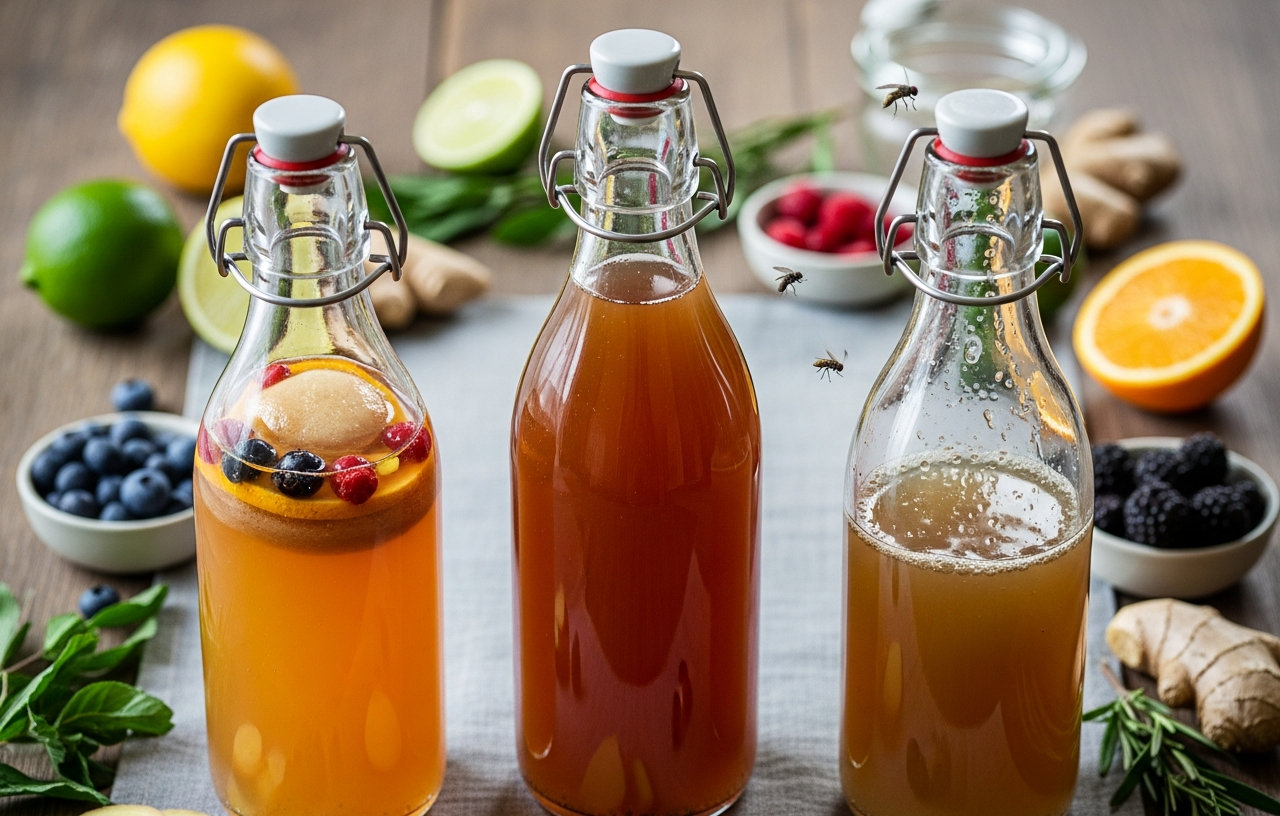
Even if your primary fermentation is perfect, issues in the second fermentation (F2) can still lead to an overly vinegary taste. F2 is when you add flavorings and bottle your kombucha for carbonation and a final flavor development. This stage is usually shorter than F1.
How to Manage Second Fermentation Time
The duration of F2 typically ranges from 1 to 5 days. This depends on the fruit, juice, or other flavorings you add, and the ambient temperature. If you leave your bottled kombucha for too long, the residual sugars in the flavorings continue to ferment. This produces more acetic acid and can make the finished product taste sour. Start tasting your F2 bottles after 1-2 days. Refrigerate them as soon as they reach your desired level of carbonation and flavor. Cold temperatures significantly slow down fermentation.
When bottling, make sure your bottles are clean and sanitized. While not directly causing vinegariness, improper sanitation can lead to off-flavors that might be perceived as overly acidic or unpleasant. Learn more about how to sanitize brewing equipment for best results.
Cost of Second Fermentation Mistakes
The cost here is primarily wasted flavorings and the disappointment of an unpalatable drink. Flavorings can add $2-$10 to a batch. Avoiding over-fermentation in F2 is a free adjustment that requires careful monitoring.
Sweetening Your Brew and Post-Fermentation Adjustments
If you have a batch that is already too vinegary, you can sometimes salvage it. This involves post-fermentation adjustments to balance the flavor. This is particularly useful for F1 batches that went a little too far before bottling.
Methods for Flavor Correction
- Dilution: Mix your vinegary kombucha with a milder batch or with plain sweet tea (cooled, of course). This reduces the overall acidity.
- Sweetening: Add a small amount of sweetener directly to your serving glass. Options include honey, maple syrup, or a touch of fruit juice. This can offset the tartness. Be careful not to add sugar to bottles you plan to store at room temperature, as this can restart fermentation and lead to bottle bombs.
- Flavoring: Use strong, sweet fruit purees or juices in your F2 to mask the underlying vinegariness. Mango, pineapple, or grape juice can work well.
- Blending: Create a blend with other beverages. Sparkling water, lemonade, or even a different type of homebrew can create a unique, more balanced drink.
These methods can help salvage an overly tart brew. They do not fix the underlying brewing process. Use them as a temporary solution while you adjust your F1 and F2 techniques for future batches.
Preventative Measures for Future Batches
Consistent brewing practices are key to avoiding overly vinegary kombucha. By implementing a few simple habits, you can achieve delicious, balanced batches every time.
- Consistent Starter Liquid: Use 1-2 cups of fresh, active starter liquid per gallon of sweet tea. Make sure it is not excessively old or acidic.
- Regular Tasting: Start tasting your F1 around day 5. Continue daily until it reaches your preferred balance of sweet and tart.
- pH Monitoring: Invest in pH strips like the Fermentaholics Kombucha & Fermentation pH Test Strips. They help you confirm your brew's acidity. Aim for a finished pH of 2.5-3.5.
- Temperature Control: Maintain a stable brewing temperature between 75-85°F (24-29°C). Consider a fermentation heater and controller if your environment fluctuates.
- Accurate Measurements: Use precise measurements for tea, sugar, and water. Consistency here leads to consistent results.
- Proper Sanitation: Always sanitize your brewing vessel, bottles, and any tools that come into contact with your kombucha. This prevents unwanted microbial growth and off-flavors.
By paying attention to these details, you can significantly reduce the chances of your kombucha becoming too vinegary. Brewing kombucha is a rewarding process, and minor adjustments can make a big difference in flavor.
Fermentaholics Kombucha & Fermentation pH Test Strips to Instant Read pH Strips Dispenser for Brewing & Fermentation, pH Range 0 to 6
- Designed by home brewer: Instantly and accurately test the pH of kombucha, beer, wine, mead, vinegar, or.
- Easy, Instant & Accurate pH Testing: Just dip a strip in a liquid solution for 1-2 seconds and compare the.
- Ensures Your Kombucha Starting pH and Finished pH is Correct and Safe
- Elevate Your Brew: Knowing the pH allows you to monitor your kombucha brew progress to get better.
Plastic pH Test Strips, Universal Application (pH 0-14), 100 Strips | for Saliva, Soap, Urine, Food, Liquids, Water with Soil
- MEASURE pH LEVEL Our plastic pH test strips are ideal for testing the acidity in a wide range of products:.
- FAST RESULTS Take one strip from the case and dip it into your solution. The strip colors will change.
- PROPER STORAGE To ensure accuracy, store these pH strips in their original packaging and in a cool, dry.
- PH FULL RANGE AND INTERVALS Our pH 0-14 test strips are offered in increments by 1 pH unit. The pH color.