
Kombucha Essentials Kit - Includes USDA Organic Kombucha SCOBY + 1-Gallon Glass Fermenting Jar with Breathable Cover + pH Strips
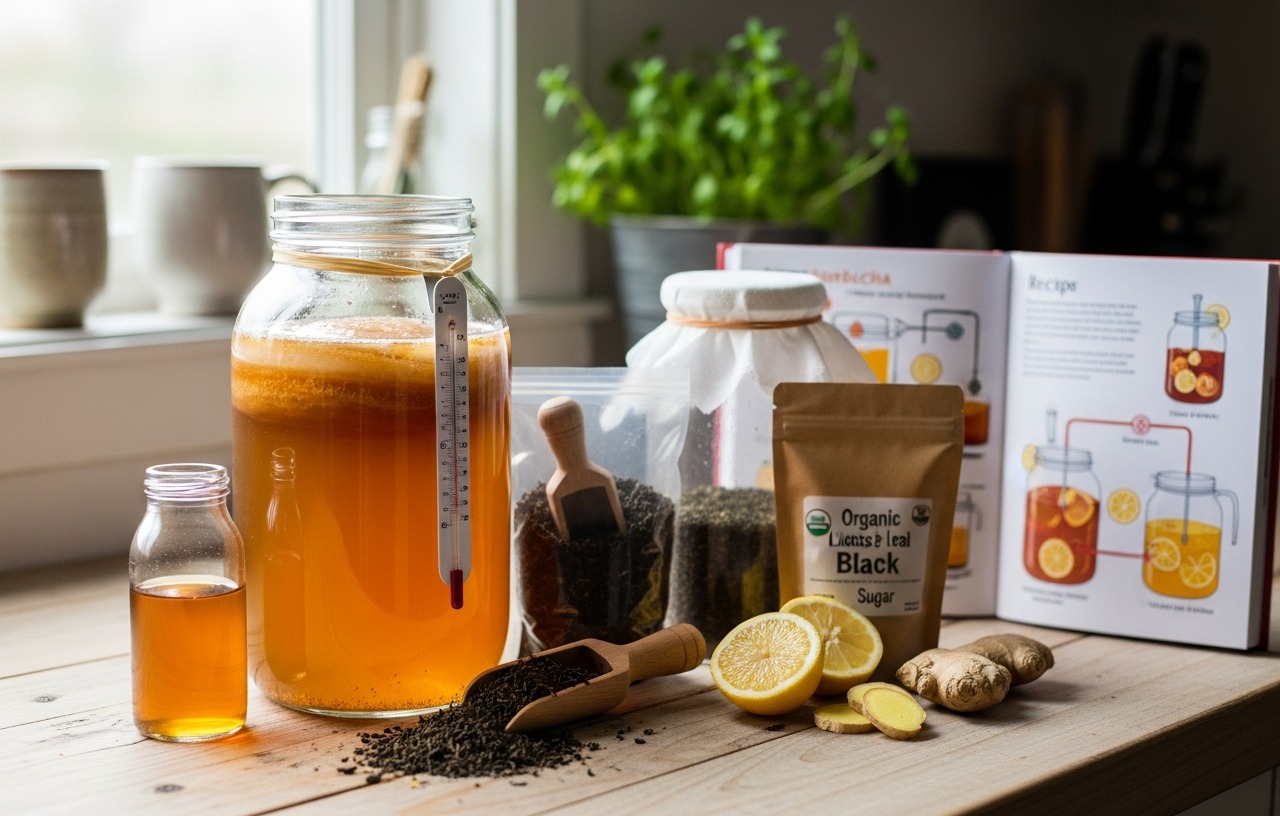
- ★ BUDGET-FRIENDLY KOMBUCHA STARTER KIT ★ This is a stripped-down version of our kombucha kit. Includes a 1-gallon plain glass brewing jar, muslin cover and rubber band, USDA Certified Organic Kombucha SCOBY, adhesive the
- QUALITY PROMISE to Our cultures are certified Organic & Kosher, grown and cared for in our fully licensed lab
- BREW WITH CONFIDENCE to Our easy instructions guide you step by step through your first fermentation. If you have questions, we are here and happy to help!
- CREATE, LEARN, GROW to Get creative with new flavoring ideas and brewing techniques. Invite your friends over for a flavoring party or teach your kids a lesson in biology. Makes for a great gift for your favorite project
- MOST SUSTAINABLE OPTION FOR KOMBUCHA LOVERS to Eliminate the need for single-use bottles and energy involved in store-bought kombucha production. Save money AND help reduce your footprint!
A kombucha SCOBY that shows no bubbling activity usually points to one of three primary issues: insufficient temperature, a weak or inactive starter culture, or an overly old and dormant SCOBY. While a healthy SCOBY does not always produce vigorous bubbles like a beer fermentation, a complete lack of activity suggests a problem. Identifying the root cause requires a few simple checks. You can often revive a sluggish brew with minor adjustments.
Understanding Normal Kombucha Activity
Before diagnosing a problem, understand what normal kombucha fermentation looks like. A healthy SCOBY (Symbiotic Culture of Bacteria and Yeast) works beneath the surface, converting sugar and tea into organic acids, trace alcohol, and carbon dioxide. This process creates the characteristic tangy flavor of kombucha.
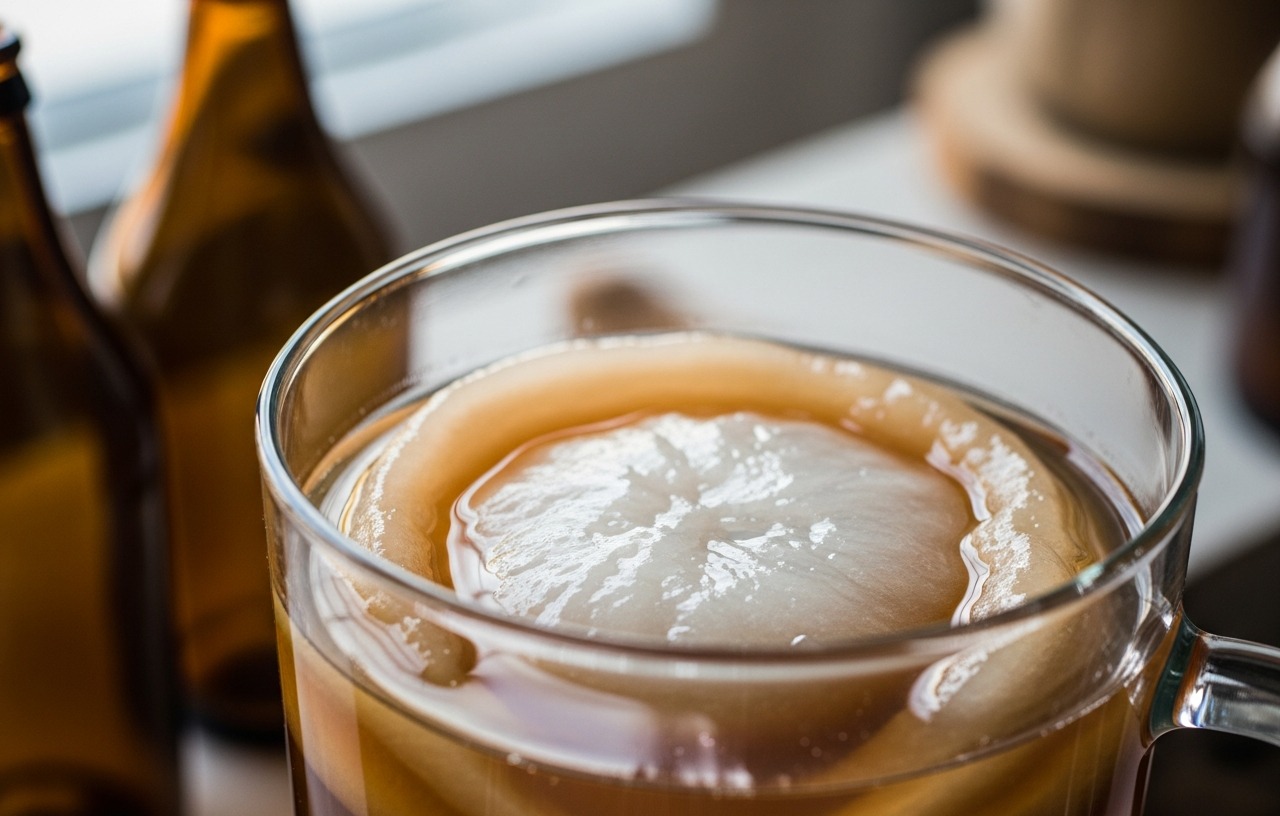
Bubbles typically form around the edges of the SCOBY, sometimes collecting on its surface. A new SCOBY may also form on top of the liquid. This new layer is a strong indicator of fermentation. However, the absence of visible bubbles does not automatically mean failure. The most reliable indicator of fermentation is the growth of a new SCOBY layer and a gradual souring of the tea over several days.
Diagnosing a Non-Bubbling SCOBY
Follow these steps to pinpoint why your kombucha SCOBY is not bubbling. Each step includes a quick test and a recommended fix.
1. Check Fermentation Temperature
Kombucha cultures thrive within a specific temperature range. Too cold, and the yeasts and bacteria slow down dramatically, sometimes to a complete halt. Too hot, and off-flavors can develop, or unwanted molds might take hold.
The Problem: Temperature Too Low
Below 68 degrees Fahrenheit (20 degrees Celsius), your SCOBY will become sluggish. The ideal range for most kombucha brewing is 75-82 degrees Fahrenheit (24-28 degrees Celsius).
Quick Test: Measure the Temperature
- Use a reliable stick-on thermometer strip on your fermentation vessel.
- Alternatively, use an accurate probe thermometer to measure the liquid temperature directly.
If the temperature reads below 70 degrees Fahrenheit, this is a likely culprit for slow or absent bubbling.
The Fix: Increase the Temperature
- Move your vessel: Place your fermenter in a warmer spot in your home. Avoid direct sunlight, which can overheat the brew and promote unwanted growth.
- Use a heating mat: A fermentation heating mat can provide consistent warmth. These typically cost between $20 and $40. Wrap it around your vessel or place it underneath. Some models come with a thermostat for precise control. It provides the initial acidity and active microorganisms to kickstart fermentation.
The Problem: Weak or Insufficient Starter Tea
If your starter tea was not acidic enough, or if you did not use a sufficient amount relative to your sweet tea volume, the pH of your new batch will be too high. A high pH allows undesirable bacteria and mold to grow before the beneficial kombucha cultures can establish themselves.
Quick Test: Check the pH
- After mixing your sweet tea and starter, take a small sample.
- Use pH strips to measure the acidity. Good quality pH strips, like those included in the Kombucha Essentials Kit, are inexpensive, typically costing $5-$10 for a pack.
- The initial pH of your brew should be between 2.5 and 4.5. If it is higher than 4.5, your starter tea was likely too weak or too little was used.
Also, visually inspect your SCOBY. Is it thin, breaking apart, or showing signs of mold (fuzzy, dry patches, often green or black)? A healthy SCOBY is usually smooth, creamy white to beige, and rubbery.
The Fix: Add More Starter or Get a New SCOBY
- Add more starter: If your pH is high, try adding another cup or two of strong, unflavored, unpasteurized kombucha from a store-bought bottle (ensure it contains live cultures). This can lower the pH and introduce more active microbes.
- Start fresh with a healthy SCOBY: If your SCOBY appears unhealthy, or if repeated attempts to lower the pH fail, it is best to get a new SCOBY and fresh starter tea. A quality SCOBY and starter kit, like the [TOP PICK] Kombucha Essentials Kit, costs around $25-$35. This kit includes a USDA Organic Kombucha SCOBY, a 1-gallon glass fermenting jar, and pH strips. These kits are certified Organic and Kosher, ensuring a good start to your brew.
3. Consider the Age of Your SCOBY
While SCOBYs can be used repeatedly, they do not last forever. Over time, the microbial balance can shift, or the culture can become less vigorous.
The Problem: Overly Old or Dormant SCOBY
A SCOBY that has been used for many batches, or one that has been stored improperly for an extended period, might simply be exhausted. It may no longer have the vitality to ferment effectively.
Quick Test: Examine its History and Appearance
- How many batches has this SCOBY produced? If it has been dozens, it might be time for a refresh.
- Is the SCOBY unusually thick and dark, or does it seem brittle?
- Has it been stored in a SCOBY hotel for a very long time without fresh tea?
The Fix: Replace Your SCOBY
If your SCOBY is old and tired, replacing it is the most reliable solution. Obtain a fresh, active SCOBY and starter tea from a reputable source. The [TOP PICK] Kombucha Essentials Kit is an excellent choice for a new, certified organic culture. New SCOBYs alone typically cost $10-$20.
Other Factors Affecting Kombucha Activity
Once you have addressed the primary causes, consider these secondary factors if your SCOBY still shows no signs of bubbling.
Insufficient Sugar
The SCOBY feeds on sugar. If your sweet tea mixture did not contain enough sugar, the fermentation process will be severely limited. Most recipes call for approximately 1 cup of sugar per gallon of tea.
Test and Fix: Review Your Recipe
Double-check your recipe's sugar content. If you deviated significantly, ensure future batches adhere to recommended ratios.
Contamination
While kombucha's acidity makes it somewhat resistant to contamination, mold or other undesirable microorganisms can sometimes take hold, especially if the initial pH is too high or sanitation is poor.
Test and Fix: Visual Inspection and Sanitation
- Look for fuzzy, dry, green, black, or blue patches on the SCOBY or liquid surface. Mold is typically fuzzy and appears on top.
- Smell the brew. An off, rotten, or intensely yeasty smell might indicate contamination.
If you suspect mold, discard the entire batch and thoroughly clean and sanitize your brewing vessel and any equipment. For effective cleaning, refer to guides on how to sanitize brewing equipment. A new 1-gallon glass fermenting jar might cost $15-$30 if your current one is compromised.
Wrong Type of Tea
The SCOBY prefers plain black or green tea. Flavored teas, herbal teas, or teas containing oils (like Earl Grey) can inhibit the SCOBY's activity or introduce unwanted flavors.
Test and Fix: Use Appropriate Tea
Confirm you are using plain black, green, or a blend of both. Avoid anything with artificial flavors or added oils for your primary fermentation.
Too Much Liquid or Too Large a Vessel
Using a starter tea ratio that is too small for the volume of sweet tea can dilute the active cultures. This makes it harder for the SCOBY to acidify the brew quickly and begin active fermentation.
Test and Fix: Adjust Ratio or Vessel Size
Ensure you use at least 1-2 cups of strong starter tea per gallon of sweet tea. If your vessel is significantly larger than your batch, consider using a smaller one for future brews. For guidance on suitable containers, check out reviews of best fermentation vessels.
Best Practices for a Healthy, Bubbling SCOBY
Consistent brewing practices help prevent issues like a non-bubbling SCOBY.
- Maintain Temperature: Use a heating mat or place your fermenter in a stable, warm environment, ideally between 75-82°F (24-28°C).
- Use Strong Starter: Always use 1-2 cups of highly acidic, unflavored starter tea per gallon of sweet tea.
- Monitor pH: Test your brew's initial pH. Aim for 2.5-4.5 to ensure a safe and active start. pH strips, often included in starter kits like the Kombucha Essentials Kit, are valuable tools.
- Sanitation: Clean your brewing vessel and all tools thoroughly before each batch.
- Fresh SCOBY: Consider replacing your SCOBY every few months, or if it appears unhealthy or inactive.
- Proper Tea and Sugar: Use plain black or green tea and the recommended amount of granulated sugar.
- Patience: Sometimes, fermentation is simply slow. Give your brew 7-10 days before assuming a problem, especially in cooler conditions.
By systematically checking these factors, you can diagnose why your kombucha SCOBY is not bubbling. Most issues are easily remedied, allowing you to get your delicious homebrew back on track.
Our Recommendation🏆 TOP PICK
Kombucha Essentials Kit - Includes USDA Organic Kombucha SCOBY + 1-Gallon Glass Fermenting Jar with Breathable Cover + pH Strips
Check Price on Amazon- ★ BUDGET-FRIENDLY KOMBUCHA STARTER KIT ★ This is a stripped-down version of our kombucha kit. Includes a 1-gallon plain glass brewing jar, muslin cover and rubber band, USDA Certified Organic Kombucha SCOBY, adhesive the
- QUALITY PROMISE to Our cultures are certified Organic & Kosher, grown and cared for in our fully licensed lab
- BREW WITH CONFIDENCE to Our easy instructions guide you step by step through your first fermentation. If you have questions, we are here and happy to help!
- CREATE, LEARN, GROW to Get creative with new flavoring ideas and brewing techniques. Invite your friends over for a flavoring party or teach your kids a lesson in biology. Makes for a great gift for your favorite project
- MOST SUSTAINABLE OPTION FOR KOMBUCHA LOVERS to Eliminate the need for single-use bottles and energy involved in store-bought kombucha production. Save money AND help reduce your footprint!