
Craft A Brew - Mead Making Kit to Reusable Make Your Own Mead Kit to Yields 1 Gallon of Mead
- Be more than a mead drinker; be a mead maker! This Craft a Brew kit will turn mead lovers into mead.
- HONEY WINE to Mead is the original fermented beverage, predating wine or beer. Making mead is as simple as.
- HOME BREWING STARTER SETS to Designed to help first-timers and hobbyists alike get the most of their craft.
- WHAT’S INCLUDED to You bring the honey, and we bring the rest! Our kits come with everything you need to.

Pacific Coast IPA Beer Ingredient Kit
- Pacific Coast IPA Ingredient Kit
- IBUs: 63-67
- Kit Makes 5 Gallons
- Difficulty: Easy

Craft A Brew - DIY Make Your Own Craft Root Beer - Complete Equipment and Supplies - Starter Home Brewing Kit - 1 Gallon
- MAKE YOUR OWN ROOT BEER to Root Beer is a beverage rooted in American tradition. Our Root Beer Kit helps.
- With our Root Beer Kit, you'll create a homemade craft syrup made using the included spices, roots.
- HOME BREW STARTER KIT to Designed to help first-timers and hobbyists alike get the most of their home.
- FULL BREWING KIT to This non-alcoholic DIY Root Beer Kit is fun for the entire family! Our Root Beer.
Making your first batch of homebrew involves a fundamental choice: an extract brewing kit or an all-grain kit. For beginners seeking the simplest entry into home fermentation, the Craft A Brew Mead Making Kit stands out as the best choice. This kit uses an extract-based approach to crafting delicious honey wine with minimal complexity, making it an ideal starting point for new hobbyists. While primarily a mead kit, its ease of use exemplifies the benefits of extract brewing for any fermented beverage.
Both extract and all-grain brewing methods produce excellent results, but they differ significantly in complexity, equipment needs, and the level of control a brewer has over the final product. Understanding these differences helps new brewers make an informed decision, setting them up for success and enjoyment in their new hobby.
Understanding Extract Brewing Kits
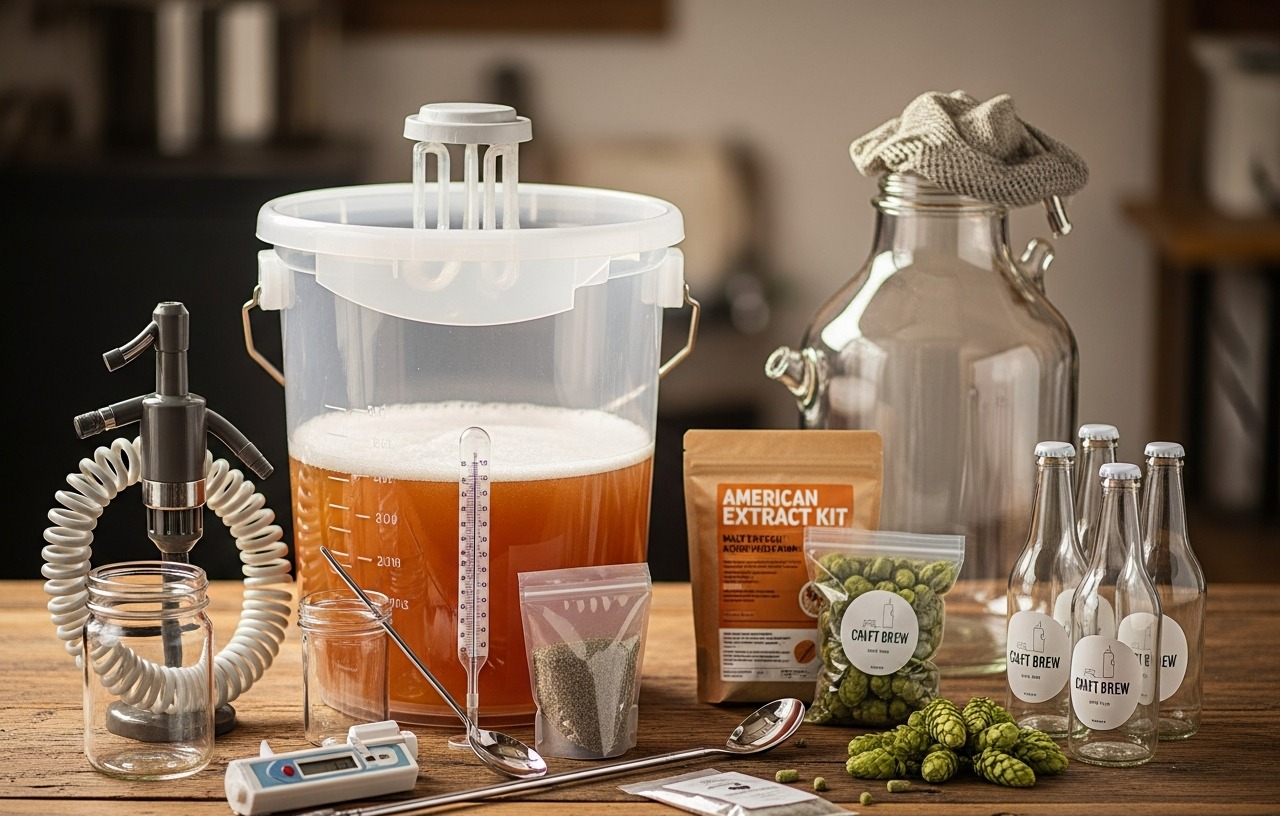
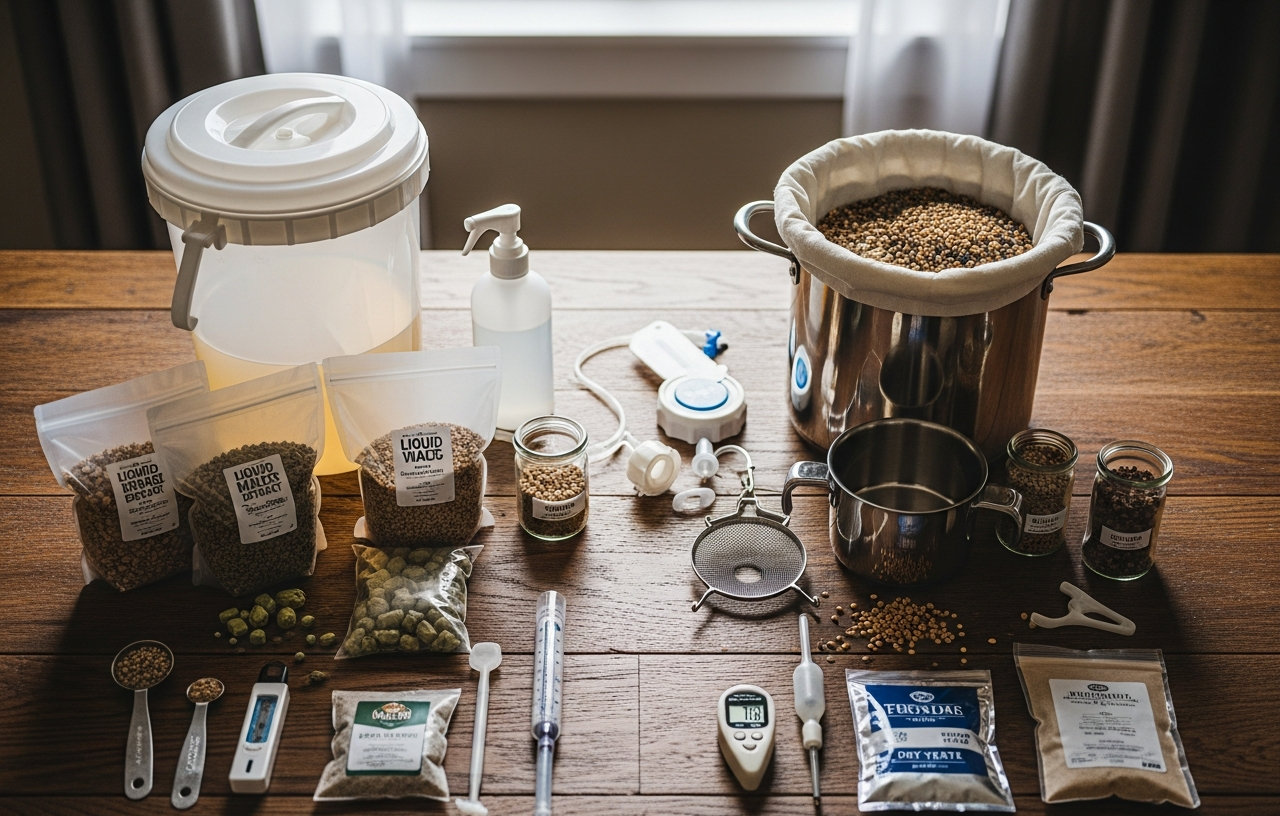
Extract brewing is the most popular starting point for many homebrewers. It involves using malt extract, which is essentially wort that has already been boiled down into a syrup or dried powder. This ingredient dramatically simplifies the brewing process by skipping the mashing step, which is where sugars are extracted from grains.
A typical extract brewing session involves dissolving the malt extract in hot water, adding hops at specific times during a boil, cooling the wort, and then fermenting with yeast. This method requires less specialized equipment and significantly less time compared to all-grain brewing. Kits like the Pacific Coast IPA Beer Ingredient Kit provide all the necessary ingredients, making the process even more convenient for first-timers.
Strengths of Extract Brewing
- Simplicity: The process is easy to follow, making it less intimidating for beginners. You largely avoid complex calculations and temperature management.
- Speed: A brew day for an extract batch can often be completed in 2-3 hours, much faster than an all-grain brew day.
- Consistency: Malt extracts are highly consistent. This makes it easier to replicate successful batches and troubleshoot problems if they arise.
- Less Equipment: You do not need a mash tun, sparge arm, or a large dedicated brew kettle initially. A basic stock pot and a fermentation vessel are often enough.
- Variety: A wide range of malt extracts and ingredient kits exist, allowing brewers to experiment with many beer styles. For example, the Craft A Brew - DIY Make Your Own Craft Root Beer kit shows how extract principles extend beyond beer to other fermented drinks.
Weaknesses of Extract Brewing
- Less Control: Brewers have less control over the malt profile and fermentable sugars compared to all-grain brewing. This limits customization options.
- Cost: Malt extract can sometimes be more expensive per batch than raw grains, especially when buying in smaller quantities.
- Potential for Off-Flavors: If extract is scorched during the boil, or if older extract is used, it can contribute undesirable flavors to the finished beer.
Who is Extract Brewing For?
Extract brewing is perfect for absolute beginners, those with limited time, or brewers with minimal space and equipment. It serves as an excellent entry point to learn the fundamentals of sanitation, boiling, cooling, and fermentation without the added complexities of mashing. Many brewers start here and later transition to all-grain once they feel comfortable with the basics. If you are exploring various home fermentation hobbies, an extract-based kit like the Craft A Brew Mead Making Kit provides a fantastic, low-barrier introduction.
Understanding All-Grain Brewing Kits
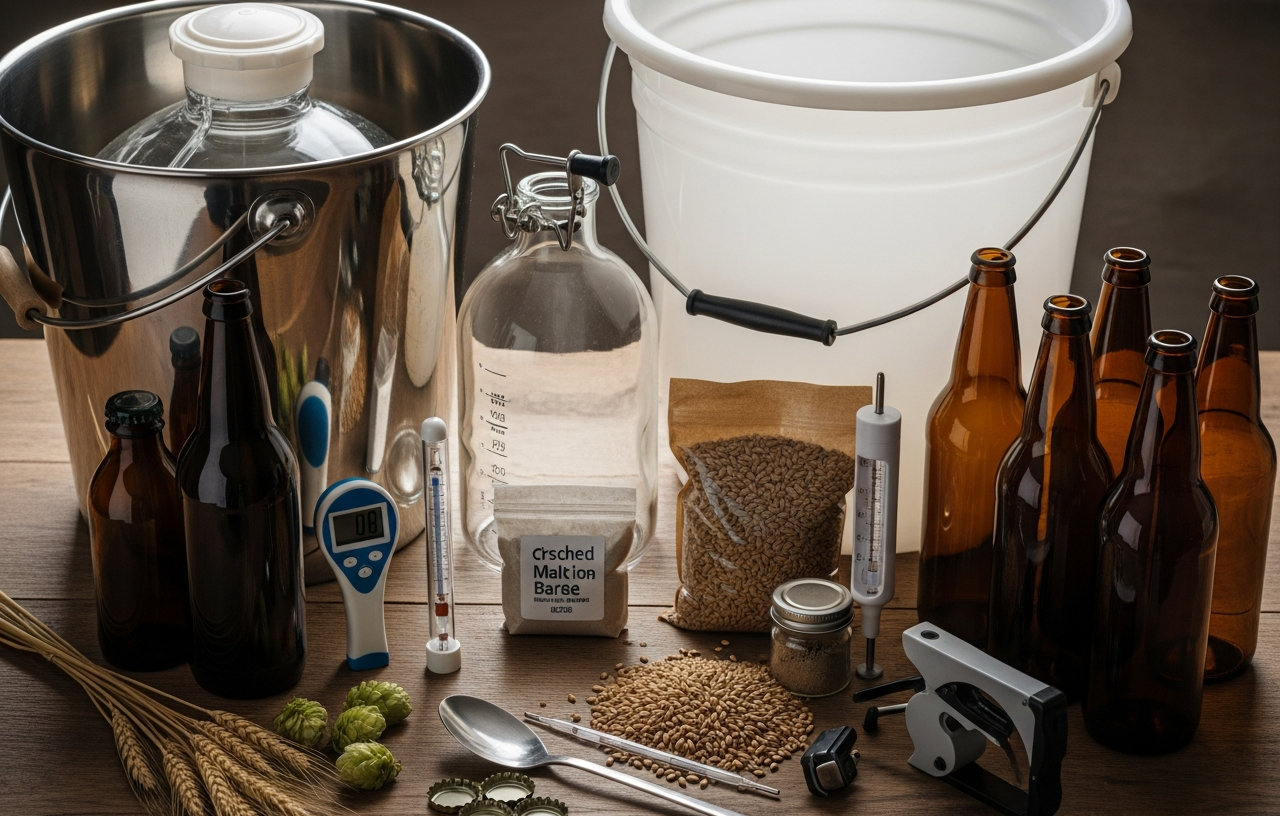
All-grain brewing involves starting from scratch with malted grains. The process begins with mashing, where crushed grains steep in hot water for about an hour. This step activates enzymes in the malt, converting starches into fermentable sugars. After mashing, the sweet liquid, called wort, is separated from the spent grains through a process called sparging. This wort then goes into the boil kettle, where hops are added, similar to extract brewing.
All-grain brewing provides the most control over the beer's flavor, aroma, color, and body. It requires more specialized equipment and a deeper understanding of brewing science. Many brewers find the hands-on nature of all-grain brewing deeply satisfying.
Strengths of All-Grain Brewing
- Complete Control: Brewers can select specific malt varieties and adjust mash temperatures to fine-tune the sugar profile and ultimately the beer's characteristics. This allows for endless recipe customization.
- Fresher Ingredients: Starting with whole grains often results in a fresher, cleaner beer flavor compared to some older malt extracts.
- cost effective: Once the initial equipment investment is made, raw grains are generally cheaper per batch than malt extract, especially for 5-gallon batches.
- Deeper Understanding: The process teaches a more complete understanding of brewing chemistry and ingredient interactions.
Weaknesses of All-Grain Brewing
- Increased Complexity: Mashing and sparging add several steps that require precise temperature control and careful execution. Mistakes here can affect efficiency and beer quality.
- Longer Brew Day: An all-grain brew day typically takes 4-6 hours, sometimes longer, depending on the system.
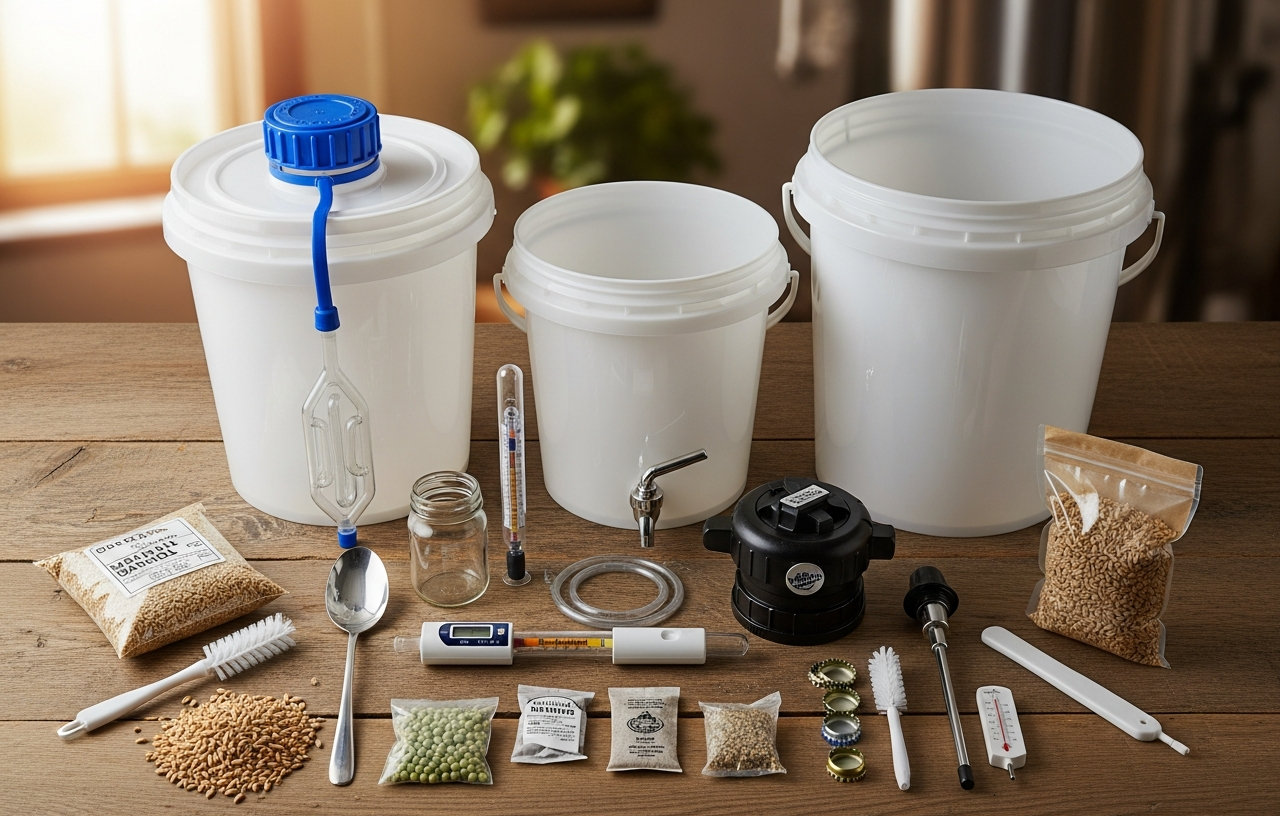
- More Equipment: Requires a mash tun, a larger brew kettle, and often a hot liquor tank. Some brewers also use specialized wort chillers to cool down the larger volume of liquid quickly.
- Steeper Learning Curve: Beginners may find the initial learning curve challenging, with more variables to manage.
Who is All-Grain Brewing For?
All-grain brewing suits brewers who are passionate about crafting unique recipes, have more time to dedicate to brew day, and enjoy a deeper dive into the science of beer making. It is also a natural progression for extract brewers who want more creative freedom and a more involved process. If you are serious about replicating commercial beers or inventing your own styles, all-grain brewing offers the tools needed. You can explore all-grain brewing systems designed for newcomers to simplify this transition.
Extract vs. All-Grain: A Side-by-Side Comparison
This table outlines the key differences between extract and all-grain brewing, helping you quickly compare the two methods.
| Feature | Extract Brewing Kit | All-Grain Brewing Kit |
|---|---|---|
| Starting Material | Malt extract (syrup or dry) | Malted grains |
| Complexity | Low to Moderate | Moderate to High |
| Brew Day Time | 2-3 hours | 4-6 hours |
| Equipment Needed | Basic kettle, fermenter | Mash tun, larger kettle, hot liquor tank |
| Control Over Recipe | Limited | Extensive |
| Cost Per Batch (Ingredients) | Higher | Lower (after initial equipment) |
| Learning Curve | Gentle | Steeper |
| Flavor Profile | Consistent, good quality | Highly customizable, often cleaner |
Choosing Your First Kit
Your choice depends on your priorities as a new brewer. If you value ease, speed, and a lower initial equipment investment, an extract kit is the ideal starting point. It allows you to learn essential brewing practices, such as proper sanitation techniques and fermentation management, without getting bogged down in the complexities of mashing. Many excellent homebrew starter kits are extract-based.
If you are a hands-on learner, enjoy detailed processes, and envision yourself creating unique recipes from the very beginning, an all-grain kit might appeal to you. Be prepared for a longer brew day and a larger initial investment in equipment. Some beginners jump straight into all-grain, especially if they have a background in cooking or other precise hobbies.
Beyond the Kit: Essential Brewing Practices
Regardless of whether you choose extract or all-grain, certain practices remain universal and essential for successful homebrewing. Every piece of equipment that touches your wort after the boil must be meticulously cleaned and sanitized to prevent contamination. Fermentation vessel choice also matters. Many brewers start with plastic buckets, while others prefer the durability and visibility of glass carboys.
Controlling fermentation temperature is another critical factor influencing beer quality. Devices like fermentation temperature controllers help maintain the ideal environment for your yeast, leading to better flavors. After fermentation, packaging your beer, whether in bottles or kegs, requires attention to detail to make sure carbonation and clarity are excellent.
The Best Choice for Most Beginners
For most new homebrewers, an extract brewing kit provides the best introduction to the hobby. It minimizes initial frustration and allows for a quicker path to enjoying your first homemade beverage. The Craft A Brew Mead Making Kit, for instance, exemplifies how simple and rewarding extract-based fermentation can be. Once you have several successful batches under your belt, and if the desire for more control and customization grows, transitioning to all-grain brewing will feel like a natural and exciting next step.
Craft A Brew - Mead Making Kit to Reusable Make Your Own Mead Kit to Yields 1 Gallon of Mead
- Be more than a mead drinker; be a mead maker! This Craft a Brew kit will turn mead lovers into mead.
- HONEY WINE to Mead is the original fermented beverage, predating wine or beer. Making mead is as simple as.
- HOME BREWING STARTER SETS to Designed to help first-timers and hobbyists alike get the most of their craft.
- WHAT’S INCLUDED to You bring the honey, and we bring the rest! Our kits come with everything you need to.
Pacific Coast IPA Beer Ingredient Kit
- Pacific Coast IPA Ingredient Kit
- IBUs: 63-67
- Kit Makes 5 Gallons
- Difficulty: Easy
Craft A Brew - DIY Make Your Own Craft Root Beer - Complete Equipment and Supplies - Starter Home Brewing Kit - 1 Gallon
- MAKE YOUR OWN ROOT BEER to Root Beer is a beverage rooted in American tradition. Our Root Beer Kit helps.
- With our Root Beer Kit, you'll create a homemade craft syrup made using the included spices, roots.
- HOME BREW STARTER KIT to Designed to help first-timers and hobbyists alike get the most of their home.
- FULL BREWING KIT to This non-alcoholic DIY Root Beer Kit is fun for the entire family! Our Root Beer.