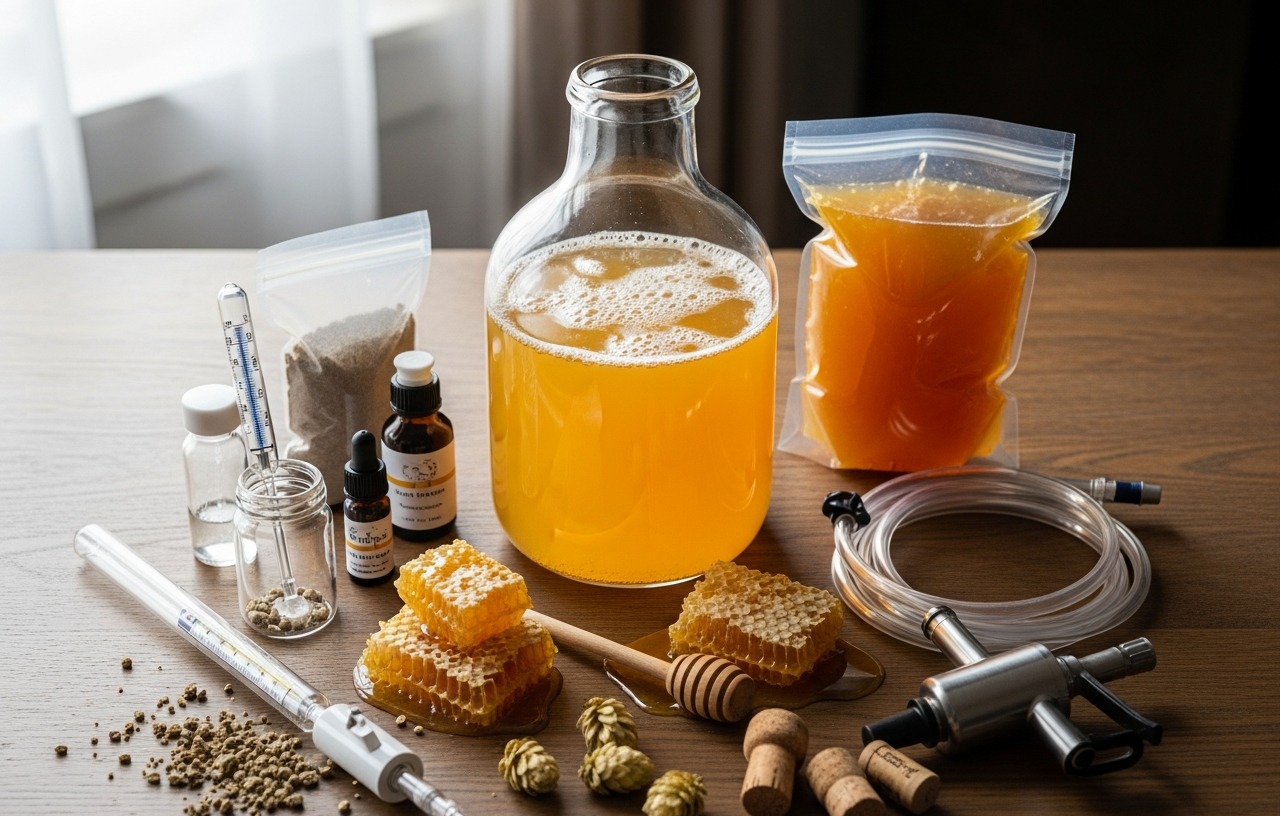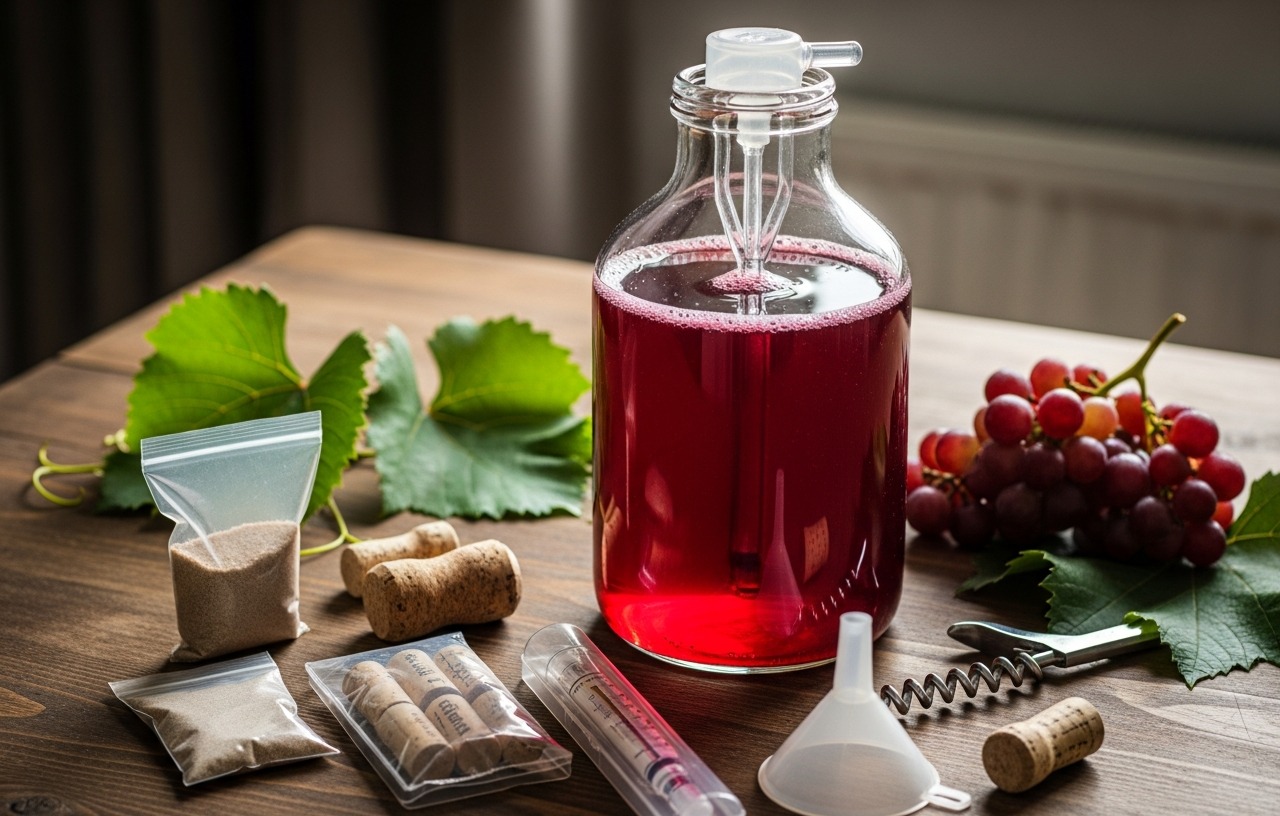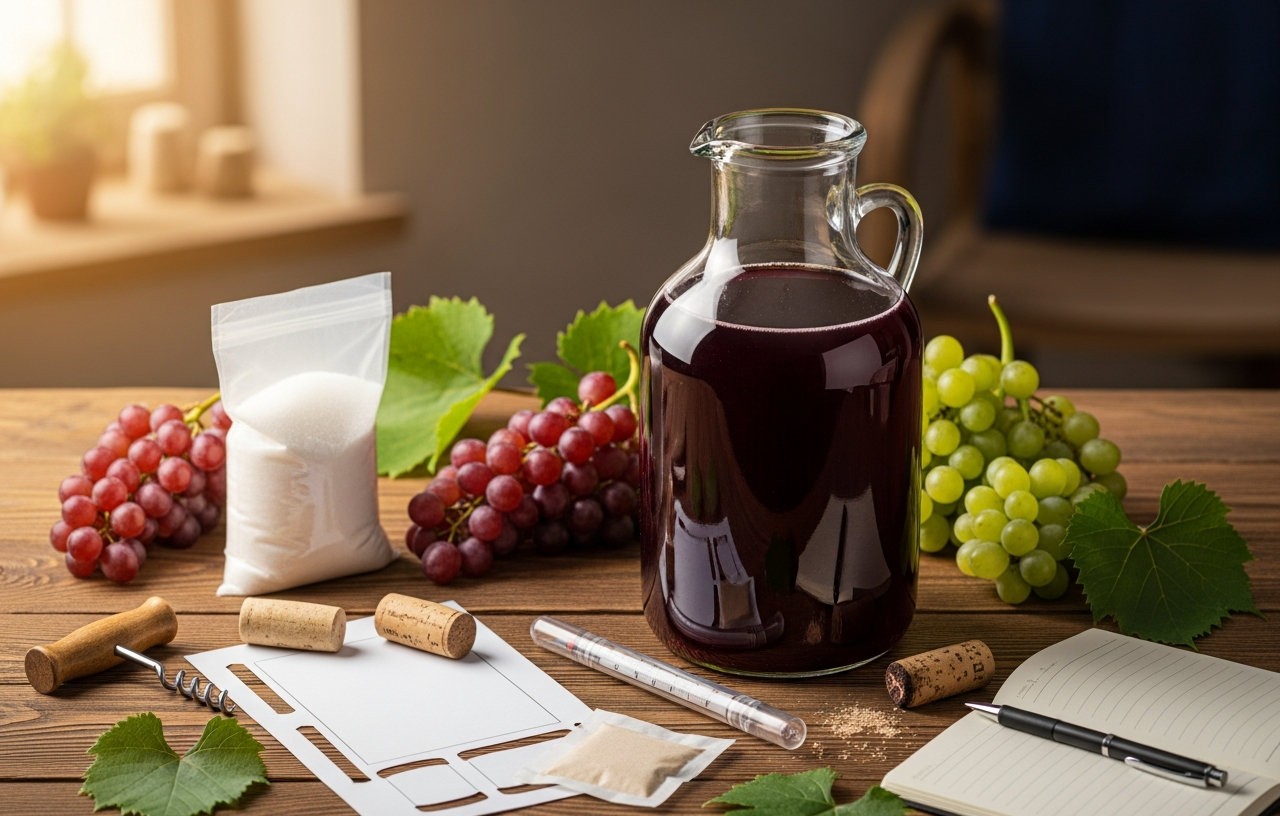
Making your own wine at home typically costs $100 to $250 for a basic 5-gallon starter kit and the necessary ingredients to produce your first batch. This initial investment covers essential equipment like a fermenter, airlock, hydrometer, and bottling supplies, along with grape concentrate, yeast, and other additives. Costs can vary widely depending on the quality of ingredients chosen and whether you opt for fresh fruit over concentrates. Understanding these expenses helps aspiring vintners plan their budget effectively.
The Initial Investment: Wine Making Starter Kits
The core of starting your home winemaking journey is acquiring a reliable starter kit. These kits bundle most of the essential equipment you need for fermentation and bottling. Prices for these kits vary significantly based on their contents and quality.
Basic Starter Kits ($70-$150)
Entry-level kits are designed for beginners and often include the bare necessities. A typical basic kit provides a primary fermenter (often a food-grade plastic bucket), a secondary fermenter (usually a smaller plastic carboy or another bucket), an airlock, stoppers, a hydrometer for measuring sugar levels, a testing jar, a siphon hose for transferring wine, and basic cleaning solution. These kits are excellent for understanding the process without a large financial commitment. The materials are functional and durable enough for many batches. You might find a glass carboy instead of a plastic one for secondary fermentation, which offers better visibility and is easier to clean, though it is heavier and more fragile. These kits might also include a better quality corker (like a double-lever hand corker), more precise testing equipment, or a larger variety of additives. Some intermediate kits even come with the first batch of ingredients included, often a grape juice concentrate kit.
Advanced Starter Kits ($250+)
Premium kits cater to those who are serious about the hobby or want to produce higher volumes. These kits often feature larger capacity glass carboys, floor corkers for easier bottling, filtering equipment for clearer wine, and sometimes even basic temperature control elements. While the upfront cost is higher, these advanced kits can save money over time by reducing the need for upgrades later. They also provide a more professional experience from the start.
Ingredient Costs Per Batch
After the initial equipment purchase, ingredients become the primary recurring cost for each batch of wine you make. The choice of ingredients significantly impacts the final taste and overall cost.
Grape Juice Concentrates ($30-$80 per 5-gallon kit)
Most beginner winemakers start with grape juice concentrates. These kits come with pre-measured juice, yeast, and often other additives like nutrients, acid blend, and clarifiers. They simplify the process and remove much of the guesswork, making them a cost effective and convenient option. A 5-gallon kit typically yields 25 standard 750ml bottles of wine. The price depends on the varietal and quality of the concentrate, with premium options costing more.
Fresh Grapes ($120-$300 per 5-gallon batch)
Making wine from fresh grapes is a more involved and generally more expensive process, but it offers greater control over the final product. You need approximately 80 to 100 pounds of grapes to produce 5 gallons of wine. Depending on your location and the grape varietal, fresh wine grapes can cost $1.50 to $3.00 per pound. This approach often requires additional equipment like a grape crusher and press, adding to the initial setup cost.
Yeast, Nutrients, and Additives ($10-$25 per batch)
Regardless of whether you use concentrate or fresh grapes, you will need yeast. A single packet of wine yeast typically costs $3 to $8 and is sufficient for a 5-gallon batch. Other common additives include yeast nutrients to support healthy fermentation, acid blend to balance pH, tannins for structure, and sulfites for preservation. These additional items usually add another $10 to $25 per batch, especially if bought in bulk.
Bottling and Storage Supplies
Once your wine is fermented and ready, you need to bottle it. These supplies are often a one-time purchase or can be reused.
Wine Bottles ($15-$30 per dozen)
New wine bottles cost around $15 to $30 per dozen. For a 5-gallon batch yielding 25 bottles, you would need two dozen, costing $30 to $60. Many home winemakers save money by collecting and reusing bottles from commercially purchased wine. Always make sure to clean and sanitize reused bottles thoroughly before bottling. Sanitize all your equipment with proper cleansers. You can find more information on this process in articles like How to Sanitize Brewing Equipment for Beer: Top No-Rinse Cleansers.
Corks and Corker ($10-$20 for corks, $20-$150 for a corker)
Good quality corks are essential for proper aging and preventing spoilage. A bag of 30 corks, enough for a 5-gallon batch, costs about $10 to $20. A hand corker, which is a manual tool, ranges from $20 to $50. For easier and more consistent corking, a floor corker can be purchased for $80 to $150. A floor corker is a worthwhile upgrade if you plan to make wine regularly.
Shrink Caps or Wax ($5-$15 per batch)
While not strictly necessary for preservation, shrink caps or sealing wax give your homemade wine a professional appearance and can help prevent tampering. A pack of shrink caps costs $5 to $15 for 30, or you can buy sealing wax for a similar price.
Ongoing and Upgrade Costs
As you gain experience, you might consider investing in additional equipment to improve your winemaking process or the quality of your finished product. These are not required for your first batch but offer benefits for dedicated hobbyists.
Specialized Fermenters ($40-$70)
Many beginners start with plastic fermenters, which are affordable and durable. However, some winemakers prefer glass carboys for secondary fermentation due to their non-porous nature and ease of cleaning. A 5-gallon glass carboy costs $40 to $70. The debate between glass and plastic fermenters is common among brewers. Researching Glass Carboy vs. Plastic Fermenter: Which is Right for Your Brew? can help you decide.
Temperature Control ($35-$60)
Maintaining a consistent fermentation temperature is critical for producing high quality wine. A fermentation temperature controller, such as the Inkbird ITC-308, costs $35 to $60. This device helps regulate the temperature of your fermenter, leading to a cleaner fermentation and better flavor profile. The Inkbird ITC-308 Review: The Best Budget Fermentation Controller? provides more details on this popular option.
Testing Equipment ($20-$50 for pH meter)
While a hydrometer is included in most starter kits, advanced winemakers often use a pH meter to precisely measure the acidity of their must (unfermented grape juice) and wine. A good quality digital pH meter typically costs $20 to $50. Proper pH balance is vital for flavor, stability, and preventing bacterial spoilage.
Filtering Equipment ($100-$300)
If you prefer crystal-clear wine, a wine filter can be a valuable addition. Basic plate filters start around $100, while more advanced pump-driven systems can cost $200-$300. Filtering removes sediment and haze, resulting in a brighter, more polished product.
Oak Barrels or Chips ($10-$50)
For wines that benefit from oak aging, you can use oak chips, spirals, or even small oak barrels. Oak chips or spirals are an affordable way to impart oak flavors, costing $10-$20 for enough to treat a 5-gallon batch. Small oak barrels (1-5 gallons) are a larger investment, starting at $100-$200, but they offer traditional oak aging benefits.
The Financial Sense of DIY Winemaking
Making homemade wine is almost always more cost effective than regularly purchasing comparable quality commercial wines, especially after the initial equipment investment. A 5-gallon batch yields approximately 25 bottles. If your first batch costs $150 in equipment and $50 in ingredients, that's $200 total, or $8 per bottle. Subsequent batches, which only require ingredient costs, bring the per-bottle price down significantly, often to $2-$4 per bottle. This is a substantial saving compared to buying even moderately priced wines at $10-$20 per bottle.
The financial benefits are clear for those who enjoy wine regularly. The process also offers a rewarding hobby, allowing you to experiment with different varietals, yeast strains, and aging techniques. The control you gain over the final product's sweetness, acidity, and alcohol content is a major draw for many. For dedicated home vintners, the cost savings accumulate rapidly, making the initial investment pay for itself many times over.
DIY winemaking makes financial sense when you plan to produce multiple batches over time. The equipment is reusable for years, and the primary ongoing cost is for ingredients. If you only intend to make one batch, the per-bottle cost will be higher. Costs around $160.
Total Initial Equipment Cost: $270
Ingredients (Per Batch)
- Grape Juice Concentrate Kit (5-gallon, mid-range varietal): Includes juice, yeast, and basic additives. Costs around $65.
- Corks (30 count): For sealing 25 bottles with a few spares. Costs about $15.
- Shrink Caps: For a professional finish. Costs about $10.
Total First Batch Ingredient Cost: $90
Total Cost for Your First 5-Gallon Batch of Homemade Wine: $270 (equipment) + $90 (ingredients) = $360.
This breaks down to roughly $14.40 per 750ml bottle for your very first batch. While this might seem higher than a cheap store-bought wine, remember that the equipment cost is amortized over many future batches. Your second batch would only cost $90 for ingredients, bringing the per-bottle price down to $3.60. Subsequent batches continue this trend, making homemade wine an incredibly economical choice for regular drinkers.
When to Upgrade Your Equipment
The decision to upgrade equipment comes down to your level of commitment and desired wine quality. A basic kit is sufficient for learning the ropes and producing drinkable wine. However, if you find yourself enjoying the hobby and wanting more control or better results, consider these upgrades:
- Glass Carboys: If you are concerned about oxygen exposure or prefer the aesthetic, upgrading from plastic to glass for secondary fermentation is a good move. They are easier to clean and scratch less, reducing potential hiding spots for bacteria.
- Floor Corker: For frequent bottlers, a floor corker ($80-$150) significantly reduces the effort and potential for broken bottles compared to a hand corker. It also provides a more consistent seal.
- Temperature Controller: If you struggle with off-flavors or want to brew specific varietals that require precise temperature ranges, a fermentation temperature controller is a wise investment. It helps maintain optimal conditions, leading to cleaner and more consistent wine.
- Filtering System: For those aiming for commercial-level clarity and brilliance, a filtering system ($100-$300) is the next step. It removes yeast and sediment, resulting in a polished product.
You can save money by making smart purchases. For example, buying a larger quantity of cleaning solution like Star San initially seems more expensive but offers a lower cost per use over time. Similarly, investing in a good quality hydrometer and thermometer from the start provides accurate readings, preventing costly mistakes due to imprecise measurements.
Homemade wine offers a tangible reward for your efforts and a significant saving compared to buying equivalent quality wines from a store. The journey from juice to bottle is a satisfying one, and the costs are manageable for most budgets.