
Campden Tablets (potassium metabisulfite) - 1 lb. bulk
- Brewcraft Campden Tablets 1 Lb Bag Potassium Metabisulphite
- Be Sure To Add It To Must 24 Hours Before Pitching Your Wine Yeast
- 1 Tablet Per Gallon
- Crush Tablets Well and Add to Must

LD Carlson - 6003 - Sodium Campden Tablets - 100 Count
- Package Dimensions: 1.3 cms (L) x 7.2 cms (W) x 1.3 cms (H)
- Product Type: Industrial Hose
- Package Quantity: 1
- Country Of Origin: United States
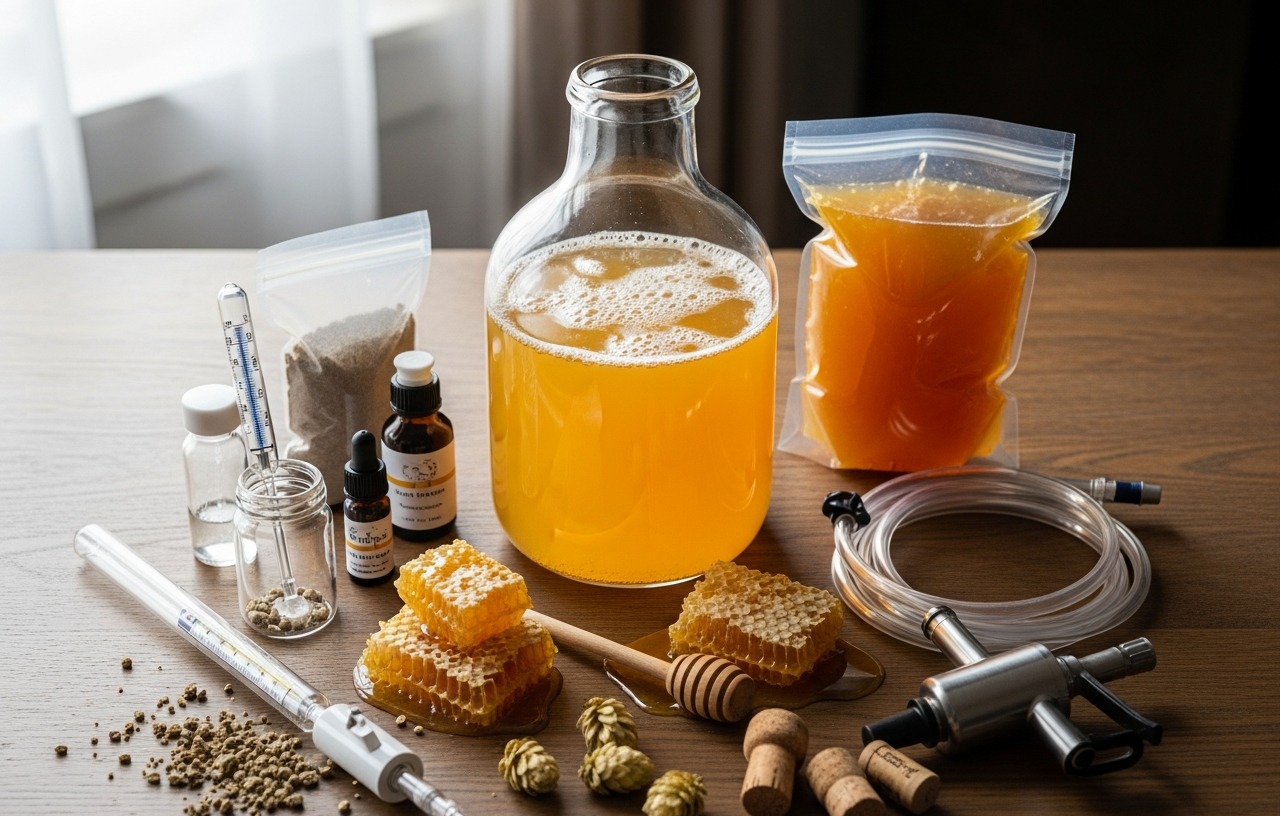
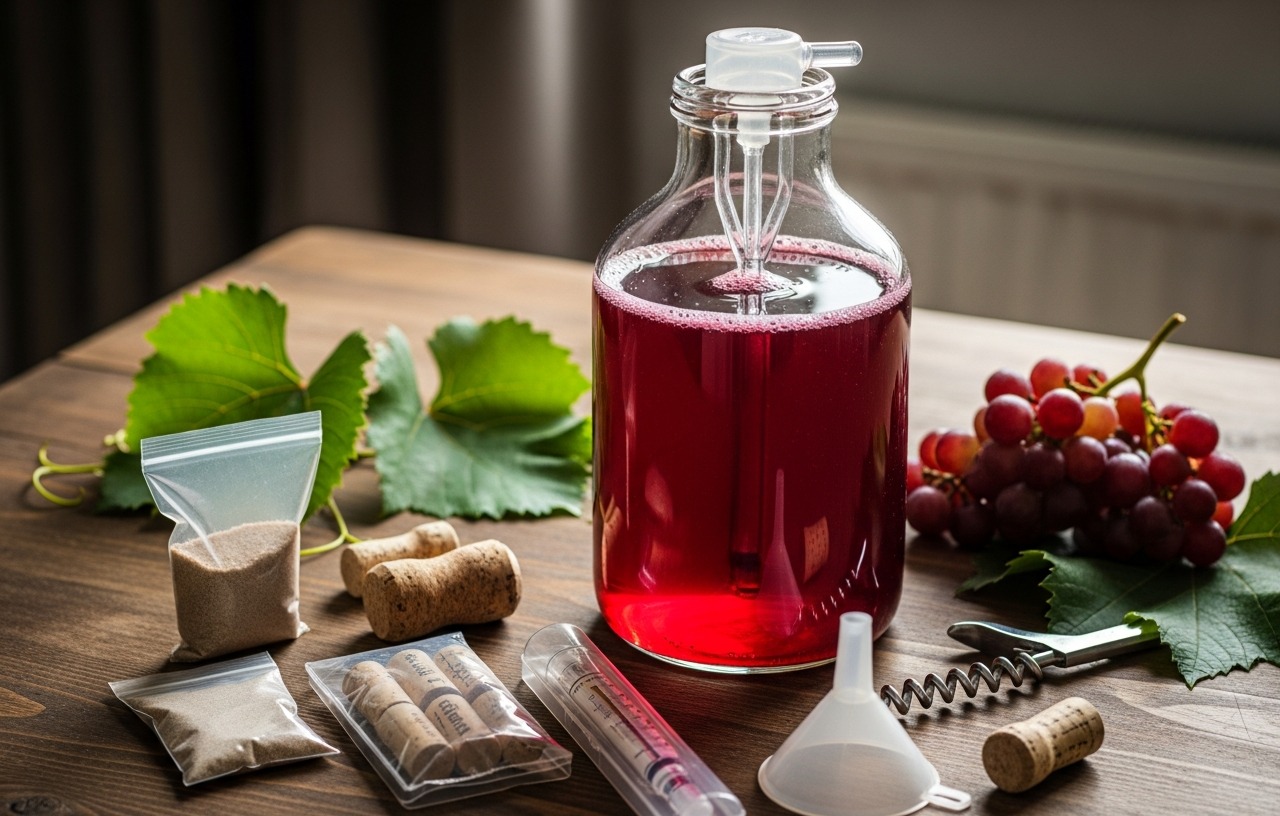
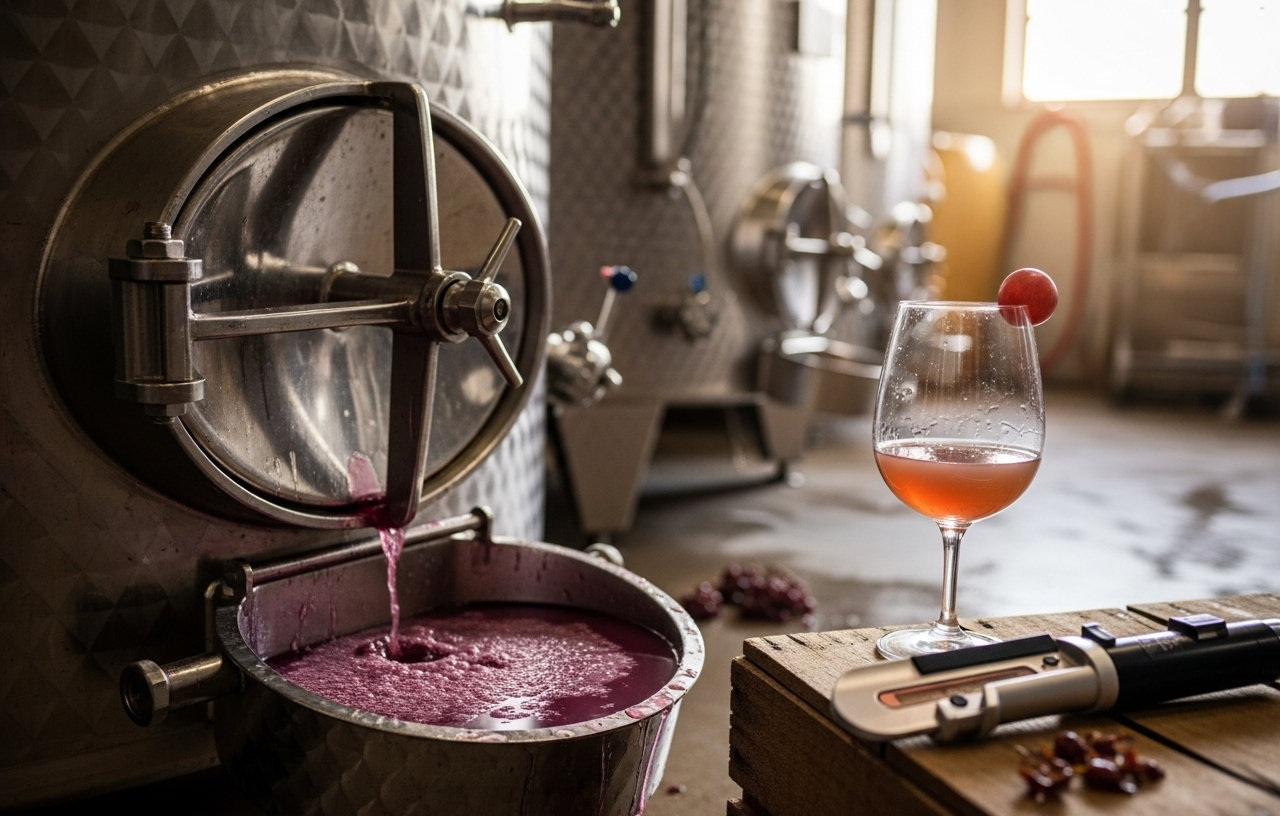
A silent airlock or an unchanging hydrometer reading often signals that wine fermentation stopped prematurely. This can be frustrating for any home brewer, whether you are making your first batch or have years of experience. A stalled or 'stuck' fermentation means the yeast has stopped converting sugars into alcohol and carbon dioxide before the wine has reached its target specific gravity. Understanding the common causes allows you to troubleshoot effectively and save your batch.
Understanding Stuck Fermentation
Wine fermentation relies on healthy yeast actively consuming sugars. When yeast activity ceases unexpectedly, the process halts. This can leave you with a sweet, unfermented wine that is susceptible to spoilage. Identifying the exact reason for the stall is the first step toward a solution. Often, a few simple adjustments can reactivate the yeast and complete the fermentation process.
Common Reasons Your Wine Fermentation Stopped Early
Several factors can cause yeast to become sluggish or stop working entirely. Addressing these issues systematically increases your chances of success.
Temperature Fluctuations
Yeast strains are particular about their environment. Extreme temperatures are a leading cause of premature fermentation stops. If the must becomes too cold, yeast activity slows significantly or stops altogether. Conversely, if the temperature rises too high, the yeast can become stressed and produce off-flavors, or even die.
- Too Cold: Most wine yeasts prefer temperatures between 60°F and 75°F (15°C and 24°C). Below this range, yeast goes dormant.
- Too Hot: Temperatures above 80°F (27°C) can kill yeast or cause it to produce undesirable compounds.
Solution: Check the fermentation temperature. If it is too low, slowly raise it to the recommended range for your specific yeast strain. A fermentation temperature controller can help maintain a stable environment. If the temperature was too high, cool the must gently. Once in the correct range, the yeast may reactivate on its own. Give it 24-48 hours.
Nutrient Deficiency
Yeast needs more than just sugar to thrive. It requires nitrogen, vitamins, and minerals, collectively known as yeast nutrients. Musts made from certain fruits or fruit concentrates can sometimes lack sufficient nutrients to support a complete fermentation, leading to a stuck mead fermentation or wine.
Solution: Add a yeast nutrient blend or diammonium phosphate (DAP) to your must. Rehydrate the nutrient in a small amount of warm water (not hot) before gently stirring it into the fermenter. Do this carefully to avoid oxidation. Adding nutrients can often restart a sluggish fermentation within a day or two.
Too Much Sugar (High Original Gravity)
A very high sugar concentration in the must, indicated by a high original gravity reading, can overwhelm yeast. Sugars create osmotic pressure, making it difficult for yeast cells to absorb water and nutrients. This can cause the yeast to stress and stop fermenting prematurely, especially if the yeast strain is not tolerant of high sugar levels.
Solution: If your original gravity was excessively high, you might need to dilute the must slightly with sterilized water, or pitch a fresh, robust yeast strain specifically designed for high-alcohol fermentations. Another option is to re-pitch with a yeast starter that has been acclimated to a high-sugar environment. This method helps the new yeast adapt more easily.
High Alcohol Content
As yeast ferments, it produces alcohol. Every yeast strain has a specific alcohol tolerance level. If the alcohol content in your wine reaches or exceeds this level, the yeast will become inhibited and eventually die, causing fermentation to stop. This is a natural end to fermentation for high-alcohol wines, but it can also happen prematurely if the yeast was stressed earlier.
Solution: Check your hydrometer reading. If it is at or below the target final gravity for your wine style, the fermentation may simply be complete. If the reading is still high, and you suspect alcohol inhibition, re-pitching with a fresh, alcohol-tolerant yeast strain is your best bet. Make sure the new yeast is healthy and has been properly rehydrated.
Sanitation Issues or Inhibitors
Poor sanitation practices can introduce wild yeasts or bacteria that compete with or kill your cultured yeast. Residual sanitizers in your equipment can also inhibit yeast activity. Another common inhibitor is sulfur dioxide (SO2), often added in the form of Campden tablets, which prevents oxidation and controls wild yeast. While beneficial, adding too much or pitching yeast too soon after SO2 addition can prevent fermentation from starting or cause it to stop.
Solution: Always make sure your equipment is thoroughly cleaned and sanitized. For guidance on proper sanitization, refer to our article on How to Sanitize Brewing Equipment for Beer. If you used Campden Tablets (potassium metabisulfite), make sure you waited at least 24 hours before pitching your yeast. This allows the sulfur dioxide to dissipate sufficiently. If you suspect an issue, you can try aerating the must gently to help off-gas some of the SO2, then re-pitch with a healthy yeast starter.
Brewcraft Campden Tablets (potassium metabisulfite) are an excellent choice for preventing oxidation and controlling unwanted microbial growth in your must. Remember to add one tablet per gallon and wait 24 hours before pitching your wine yeast for optimal results. LD Carlson - 6003 - Sodium Campden Tablets are another reliable option, packaged conveniently for homebrewers.
Dead or Unhealthy Yeast
Sometimes the problem is with the yeast itself. Old yeast, improperly stored yeast, or yeast that was not rehydrated correctly might be dead or too weak to initiate or sustain fermentation. Pitching insufficient amounts of yeast (underpitching) can also lead to a slow or stuck fermentation.
Solution: If you suspect dead or unhealthy yeast, the most effective solution is to re-pitch with a fresh, viable yeast starter. Always rehydrate dry yeast according to the manufacturer's instructions. Use a yeast nutrient during rehydration to give the yeast a strong start. For optimal fermentation, consider using a homebrew starter kit to prepare your yeast.
Lack of Aeration
Yeast needs oxygen during its initial growth phase to reproduce rapidly and build strong cell walls. Insufficient aeration of the must before pitching yeast can lead to a weaker, less robust fermentation that is more prone to stalling. However, avoid aeration once fermentation has started, as this can introduce oxygen and cause oxidation, leading to off-flavors.
Solution: If your fermentation stopped early and you realize you did not aerate sufficiently at the start, you might be able to gently stir the must once more (being careful not to introduce too much oxygen after fermentation has begun). This is a risky move. The better approach is to ensure proper aeration before pitching yeast in future batches. This usually involves vigorous stirring or using an aeration stone.
Clogged Airlock or Fermenter Seal Issues
While this does not cause fermentation to stop, a clogged airlock or a leaky seal on your fermenter can give the appearance of a stalled fermentation. If CO2 cannot escape through the airlock, it might leak elsewhere, or pressure could build up, preventing further CO2 production from being visible.
Solution: Check your airlock for clogs. Clean it if necessary. Inspect the seal on your fermenter lid or bung for any leaks. Tighten the lid or replace the bung if it is not airtight. An active fermentation will produce visible bubbles in the airlock, indicating CO2 is escaping.
How to Restart a Stuck Fermentation
If you have identified the cause and addressed it, you can take steps to restart the fermentation. The key is to create an optimal environment for healthy yeast.
- Confirm the Stall: Take two hydrometer readings 24-48 hours apart. If there is no change, fermentation has stalled.
- Address the Cause: Implement the solutions discussed above (adjust temperature, add nutrients, etc.).
- Re-pitch Healthy Yeast: Prepare a starter with a fresh, viable yeast strain. Use a yeast strain known for its robustness or high alcohol tolerance if you suspect high sugar or alcohol content was the issue. Rehydrate the yeast properly with a yeast rehydration nutrient.
- Gently Stir (Optional): After pitching the new yeast, gently stir the top layer of the must with a sanitized spoon. This can help distribute the yeast and nutrients without introducing too much oxygen.
- Monitor: Place the fermenter back in a stable temperature environment. Monitor the airlock and take hydrometer readings over the next few days.
When to Call a Professional
Most stuck fermentations are resolvable with patience and the right adjustments. However, if you have tried several troubleshooting steps and your wine fermentation stopped early and shows no signs of restarting, or if you suspect a bacterial infection, it might be time to seek expert advice. Local homebrew shops often offer consultation services. A professional analysis of your wine could reveal specific chemical imbalances or infections that are difficult to diagnose at home. The cost for a consultation or lab analysis might range from $80-$150, depending on the services required.
Remember that even experienced winemakers encounter stuck fermentations. It is a common challenge in home brewing. With careful observation and systematic troubleshooting, you can often save your wine and achieve a successful fermentation.
Campden Tablets (potassium metabisulfite) - 1 lb. bulk
- Brewcraft Campden Tablets 1 Lb Bag Potassium Metabisulphite
- Be Sure To Add It To Must 24 Hours Before Pitching Your Wine Yeast
- 1 Tablet Per Gallon
- Crush Tablets Well and Add to Must
LD Carlson - 6003 - Sodium Campden Tablets - 100 Count
- Package Dimensions: 1.3 cms (L) x 7.2 cms (W) x 1.3 cms (H)
- Product Type: Industrial Hose
- Package Quantity: 1
- Country Of Origin: United States