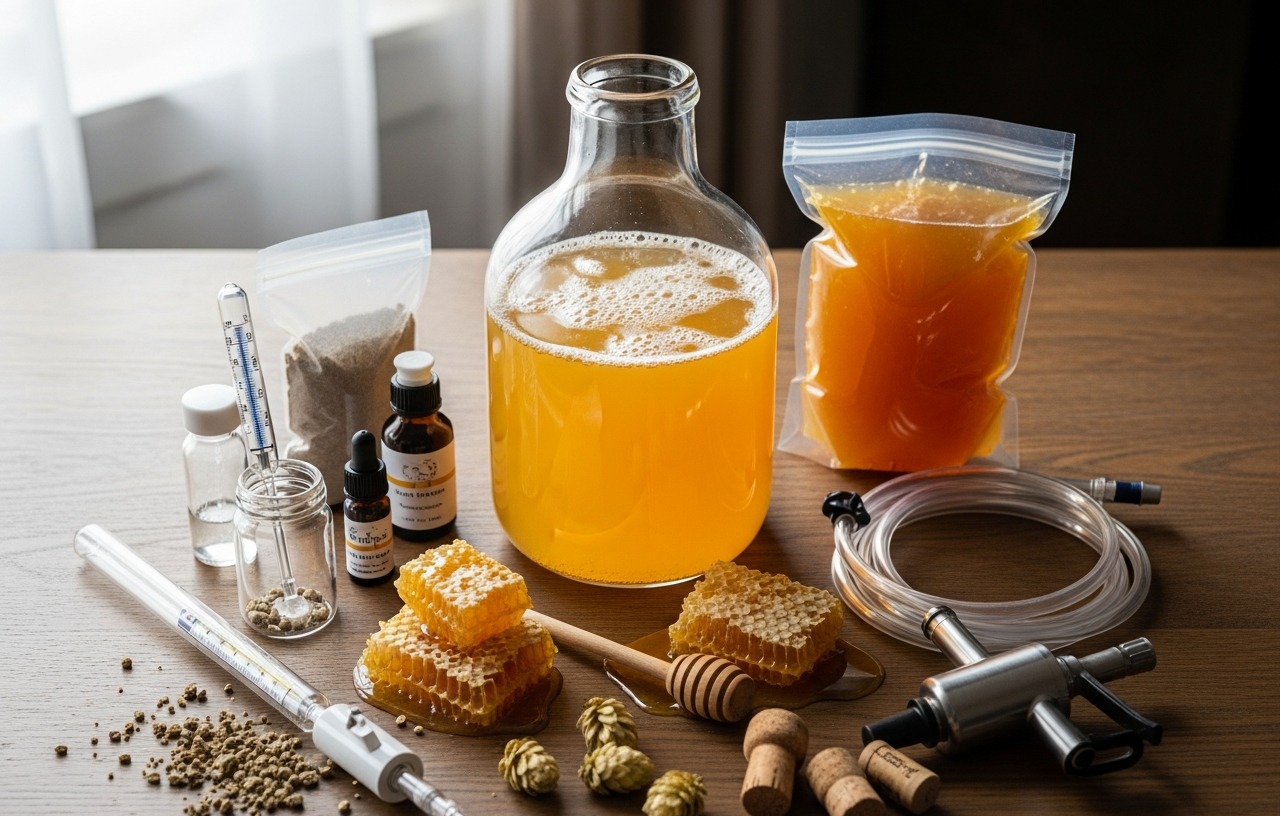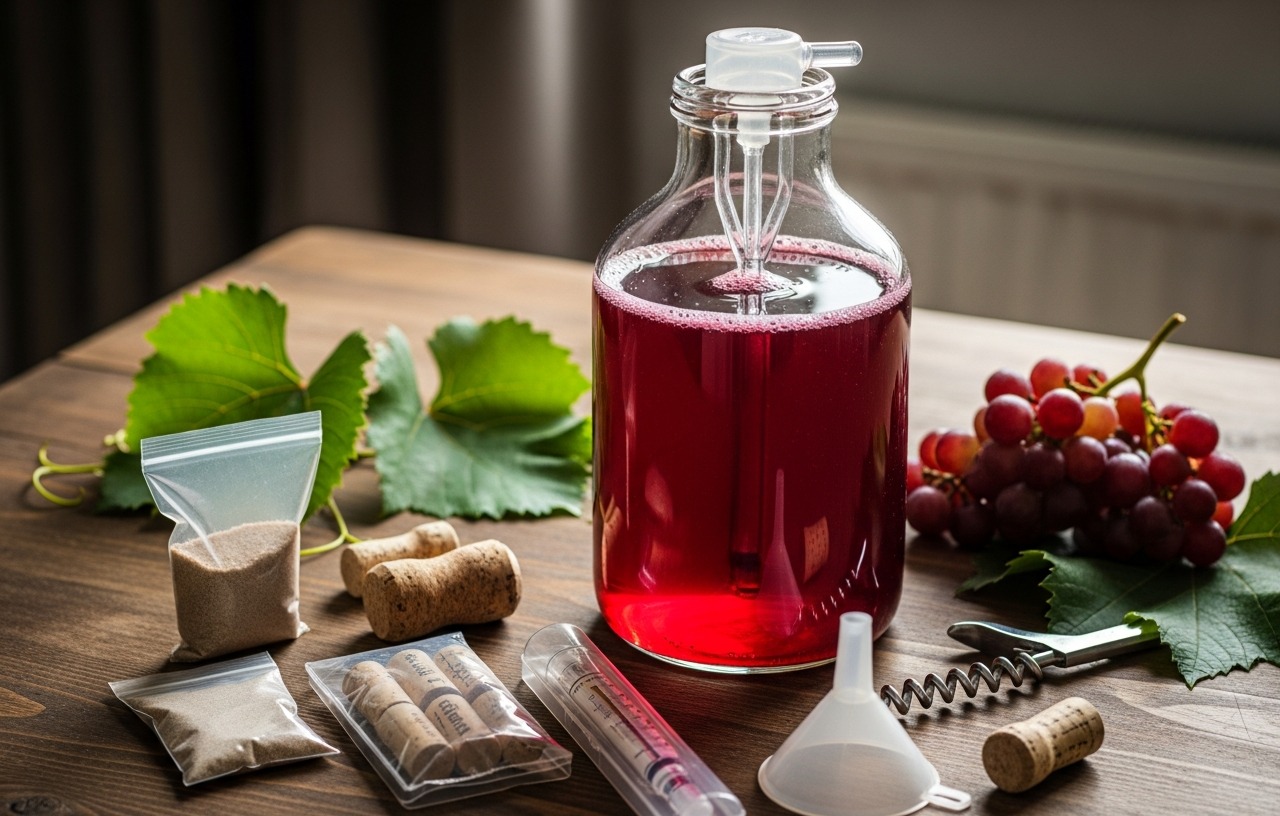

Fermax Yeast Nutrient, 1lb (Package May Vary)
- Use 1 teaspoon per gallon prior to fermentation beginning
- Improves attenuation and speed of fermentation
- Package May Vary from images

Distillers Yeast (DADY) (1 lb. bulk pack)
- Distiller's Yeast (DADY)
- Ferments Up to 22% Before Slowing

Red Star Distiller's Yeast (DADY), 1 lb.
- Distiller's Yeast
- Ferments Up to 22% Before Slowing
- Ferment Up to 500 Gallons
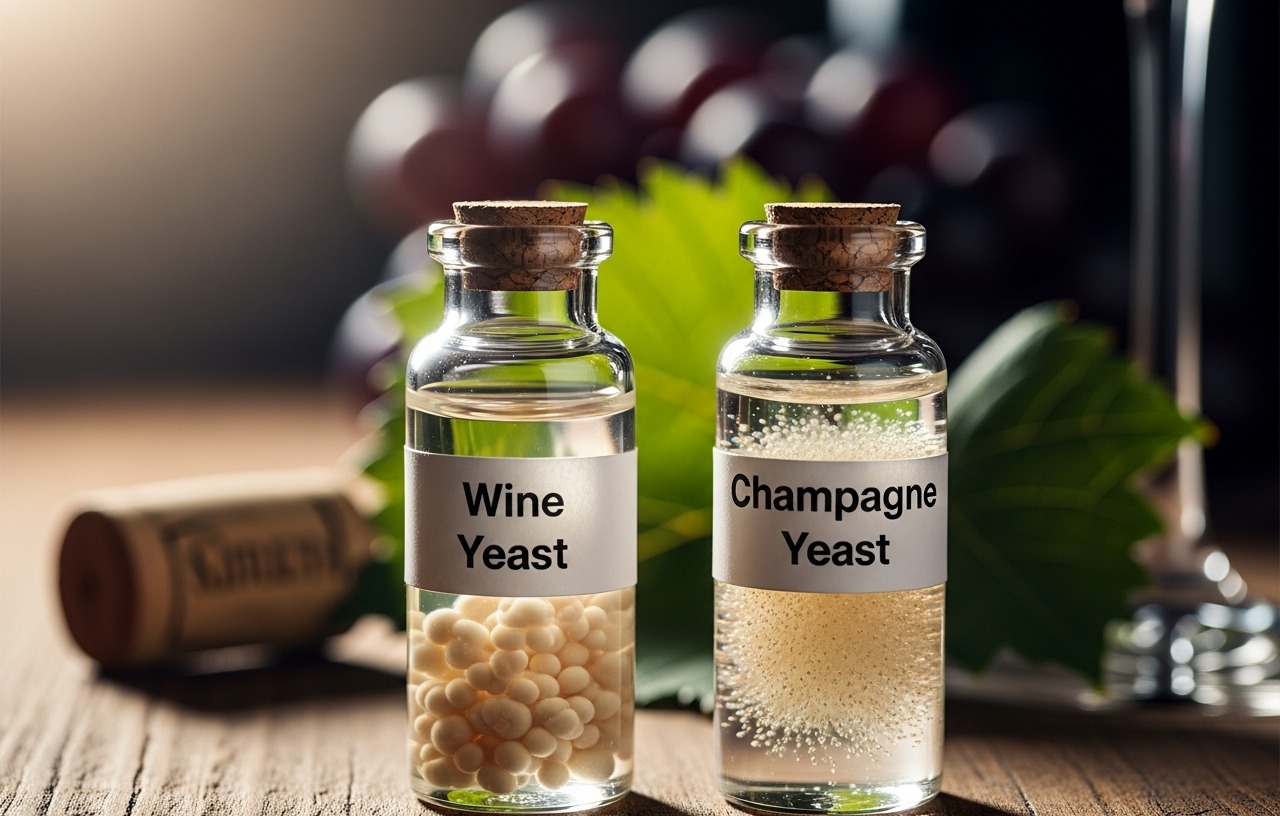
A sluggish fermentation or an unexpected flavor profile often traces back to yeast selection. Choosing the right yeast for your homebrewing project makes a significant difference in the final product. While wine yeast and champagne yeast are common choices, understanding their distinct characteristics is key. For optimizing any yeast's performance and achieving a robust, complete fermentation, Fermax Yeast Nutrient, 1lb is our top pick. It improves attenuation and fermentation speed, making it an invaluable addition to nearly any recipe.
Yeast are single-celled fungi responsible for converting sugars into alcohol and carbon dioxide. This metabolic process, called fermentation, shapes the taste, aroma, and alcohol content of your homemade beverages. Different yeast strains have varying tolerances for alcohol, temperature ranges, and nutrient requirements. They also produce distinct byproducts that contribute unique characteristics to the final brew.
Wine Yeast: Crafting Complex Flavors
Wine yeast strains are specifically cultivated to thrive in grape must, converting its sugars into alcohol while preserving or enhancing the fruit's delicate aromas and flavors. They typically have a moderate alcohol tolerance, often reaching 12-14% ABV, though some strains can go higher. Wine yeasts are known for producing a cleaner fermentation profile compared to many beer yeasts, allowing the fruit characteristics to shine through.
Strengths of Wine Yeast
- Flavor Preservation: Excellent at retaining and enhancing the subtle fruit and floral notes inherent in grapes and other fruit-based ferments.
- Moderate Alcohol Tolerance: Suitable for most standard wines, ciders, and meads, achieving a respectable alcohol content without stressing the yeast too much.
- Varied Strains: Many specific wine yeast strains exist, each designed for different wine styles (e.g., Bordeaux, Burgundy, Port), offering brewers precise control over flavor outcomes.
- Clean Fermentation: Generally produces fewer off-flavors or fusel alcohols when fermented within its optimal temperature range.
Weaknesses of Wine Yeast
- Slower Fermentation: Some wine yeasts can be slower to complete fermentation compared to more aggressive strains, requiring patience.
- Lower Alcohol Tolerance: May struggle to ferment very high-sugar musts to dryness, potentially leaving residual sweetness if not paired with a high-tolerance strain or yeast nutrient.
- Temperature Sensitivity: Often requires a narrower temperature range for optimal performance and flavor production.
Who is Wine Yeast Best For?
Wine yeast is the ideal choice for traditional winemaking, fruit ciders, and many meads where preserving and highlighting the natural flavors of the base ingredients is the priority. If you are making a delicate berry wine or a nuanced apple cider, a dedicated wine yeast will serve you well. For beginners, a good wine making kit often includes a suitable wine yeast.
Champagne Yeast: The Aggressive & Neutral Fermenter
Champagne yeast, often referred to as a 'killer' yeast, is renowned for its vigorous and complete fermentation. It has a high alcohol tolerance, frequently reaching 16-18% ABV, and sometimes higher. This yeast is particularly effective at fermenting nearly all available sugars, resulting in a very dry finish. Its neutral flavor profile means it imparts minimal yeast character to the final product, letting the base ingredients, or the carbonation process, take center stage.
Strengths of Champagne Yeast
- High Alcohol Tolerance: Capable of fermenting high-sugar musts to a very high alcohol content, making it excellent for fortified wines, sparkling wines, and some ciders or meads.
- Dry Finish: Ferments almost all fermentable sugars, leading to a crisp, dry final product. This is why it's used for traditional champagne production.
- Vigorous Fermentation: Starts quickly and ferments aggressively, which can be beneficial in preventing spoilage organisms from taking hold early on.
- Neutral Flavor Profile: Imparts very little flavor of its own, allowing the base ingredients to shine, or making it suitable for secondary fermentation where yeast character is not desired.
- Wide Temperature Range: Generally more tolerant of a broader temperature range than many wine yeasts, offering more flexibility.
Weaknesses of Champagne Yeast
- Can Strip Flavor: Its aggressive nature and complete sugar attenuation can sometimes strip away desirable delicate flavors from fruit or honey, especially in lighter brews.
- High Foaming: The vigorous fermentation can produce a significant krausen, requiring ample headspace in your fermentation vessel.
- Difficult to Stop: Its high alcohol tolerance makes it challenging to stop fermentation early if you desire residual sweetness.
Who is Champagne Yeast Best For?
Champagne yeast is an excellent choice for sparkling wines, hard ciders where a very dry finish is desired, and meads designed to be dry and high in alcohol. It's also a popular choice for restarting stuck fermentations due to its robust nature. If you want a crisp, clean, and high-alcohol beverage without much yeast character, champagne yeast is a strong contender.
Distiller's Yeast (DADY): Power for Maximum Alcohol
When the goal is maximum alcohol content, distiller's yeast, often referred to as DADY (Dried Active Distiller's Yeast), stands apart. Products like Distillers Yeast (DADY) (1 lb. bulk pack) and Red Star Distiller's Yeast (DADY), 1 lb. are engineered for extremely high alcohol tolerance, fermenting up to 22% ABV before slowing down significantly. Red Star's DADY can ferment up to 500 gallons.
Weaknesses of Distiller's Yeast (DADY)
- Flavor Stripping: Its aggressive nature can strip away subtle flavors, making it less suitable for beverages where nuanced taste is desired.
- Less Suitable for Table Wines/Ciders: While it produces high alcohol, the resulting flavor profile may not be desirable for drinking as a finished wine or cider.
- Requires Nutrient Support: To reach its full potential at very high gravities, it often benefits from additional yeast nutrients, much like other high-tolerance yeasts.
Who is Distiller's Yeast (DADY) Best For?
DADY is the go to yeast for anyone making high-alcohol washes for distillation into spirits such as whiskey, rum, or vodka. It's also an option for experimental high-ABV meads or ciders where the primary goal is maximum alcohol content, and a very dry, neutral base is acceptable. It is not generally recommended for delicate wines or ciders where flavor preservation is key.
Enhancing Any Fermentation: Fermax Yeast Nutrient
Regardless of the yeast strain you choose, healthy fermentation depends on proper nutrition. Yeast cells require more than just sugar; they need nitrogen, phosphates, and trace minerals to reproduce and metabolize efficiently. This is where Fermax Yeast Nutrient, 1lb becomes invaluable. It provides a balanced blend of these essential nutrients, supporting vigorous and complete fermentation.
Benefits of Using Fermax Yeast Nutrient
- Improved Attenuation: Helps yeast fully consume available sugars, preventing stuck fermentations and ensuring the desired dryness.
- Faster Fermentation: Well-nourished yeast works more efficiently, often reducing the overall fermentation time.
- Reduced Off-Flavors: Healthy yeast under less stress produces fewer undesirable byproducts, leading to a cleaner-tasting final product.
- Increased Alcohol Yield: By supporting robust yeast activity, Fermax can help maximize the conversion of sugar to alcohol.
- Versatile Use: Suitable for wine, mead, cider, and even high-gravity beer or distiller's washes.
To use Fermax Yeast Nutrient, simply add 1 teaspoon per gallon of must or wort prior to fermentation beginning. The package may vary from images, but the quality and efficacy remain consistent. This simple step can significantly improve the outcome of your brew, making it a top pick for any serious homebrewer.
Comparison Table: Wine Yeast, Champagne Yeast, and DADY
| Feature | Wine Yeast | Champagne Yeast | Distiller's Yeast (DADY) |
|---|---|---|---|
| Typical ABV Tolerance | 12-14% | 16-18% | Up to 22% |
| Flavor Contribution | Preserves/Enhances fruit; some yeast character | Very neutral | Highly neutral |
| Fermentation Speed | Moderate to slow | Vigorous, fast | Very vigorous, fast |
| Ideal Use | Table wines, fruit ciders, nuanced meads | Sparkling wines, dry ciders/meads, restarting stuck ferments | High-alcohol washes for distillation, extreme ABV projects |
| Dryness Achieved | Moderate to dry | Very dry | Extremely dry |
Choosing the Right Yeast for Your Project
Your choice between wine yeast, champagne yeast, or even distiller's yeast hinges on your desired outcome. Consider these factors:
- Desired Alcohol Content: If you aim for a standard 12% wine, wine yeast is fine. For a 16% sparkling wine, champagne yeast is necessary. For anything over 20% (like a wash for spirits), DADY is the clear choice.
- Flavor Profile: Do you want to emphasize the fruit, honey, or grain flavors? Wine yeast helps preserve these. Do you prefer a very clean, neutral base? Champagne yeast or DADY will provide that.
- Desired Sweetness: Wine yeasts can leave some residual sweetness depending on the strain and sugar content. Champagne yeast and DADY will ferment almost everything, resulting in a very dry product.
- Fermentation Speed: If you need a quick, aggressive fermentation, champagne yeast or DADY are faster. If you can wait for a slower, more controlled process, wine yeast might be preferred for flavor development.
Remember that proper fermentation temperature control is also vital for yeast health and flavor production, regardless of the strain. An Inkbird ITC-308, for example, can keep your brew in its ideal temperature range, preventing stress on the yeast.
Beyond Yeast Selection: Fermentation Essentials
While choosing the right yeast is important, it's only one piece of the puzzle. Proper sanitation is absolutely critical for any successful fermentation. Learning how to sanitize brewing equipment correctly prevents off-flavors and spoilage. A healthy, well-fed yeast culture is less prone to producing unwanted compounds and more likely to finish strong.
Ultimately, the best yeast is the one that aligns with your brewing goals. Whether you are crafting a delicate fruit wine, a crisp dry cider, or a high-octane spirit base, understanding the strengths and weaknesses of each yeast type will guide you. Incorporating a yeast nutrient like Fermax will only enhance the performance of your chosen strain, helping you achieve a superior final product.
Fermax Yeast Nutrient, 1lb (Package May Vary)
- Use 1 teaspoon per gallon prior to fermentation beginning
- Improves attenuation and speed of fermentation
- Package May Vary from images
Distillers Yeast (DADY) (1 lb. bulk pack)
- Distiller's Yeast (DADY)
- Ferments Up to 22% Before Slowing
Red Star Distiller's Yeast (DADY), 1 lb.
- Distiller's Yeast
- Ferments Up to 22% Before Slowing
- Ferment Up to 500 Gallons