
Inkbird ITC-308 Digital Temperature Controller Thermostat
- Supports °C/°F display.
- Able to power refrigeration and heating equipment as conditions change.
- Displays measured temperature and set temperature at the same time.
- High and low temperature alarms are available when the temperature is over or the sensor experiences a.

Inkbird ITC-308 Digital Temperature Controller Outlet Thermostat 2-Stage 1100W with Sensor Reptile Beer Brewing Kegs Fridge Cured
- Plug and play design, easy to use
- Dual relay output, be able to connect with refrigeration and heating equipment at the same time
- Support reading with Centigrade or Fahrenheit unit
- Maximum output load: 1100W(110V)
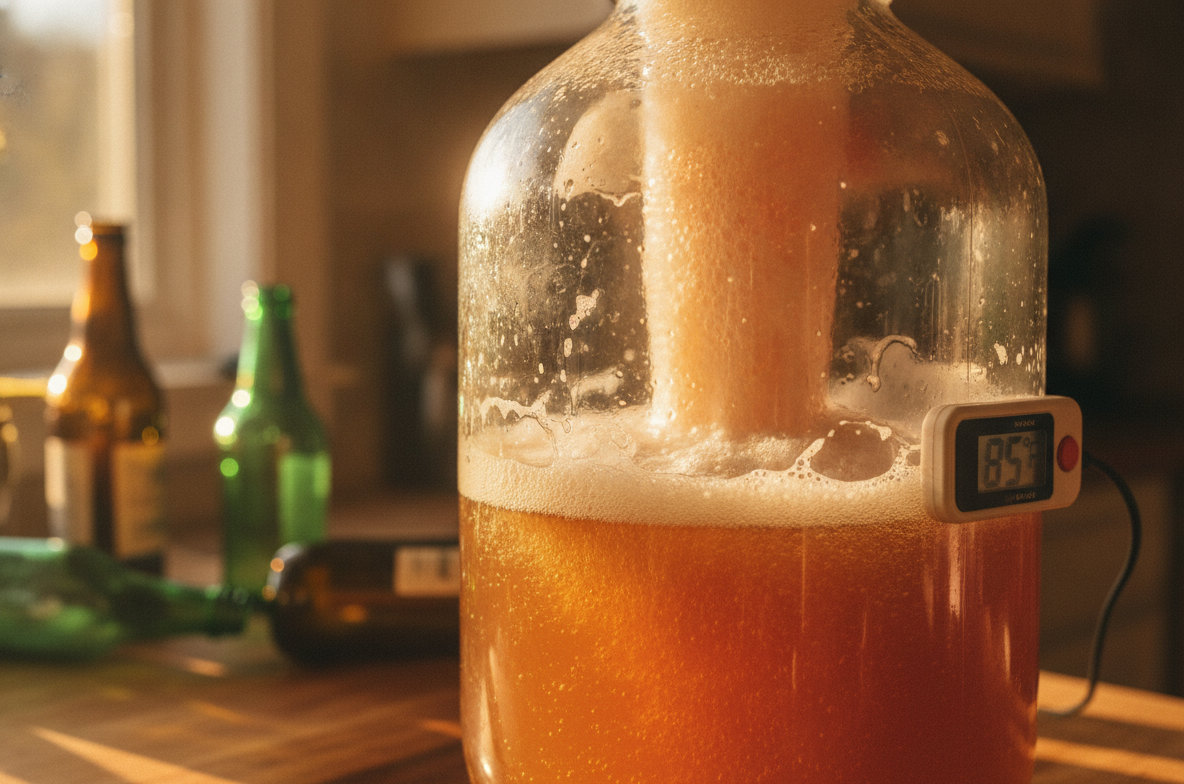
A sudden spike in your beer's fermentation temperature can quickly ruin a batch, leading to unpleasant off-flavors and a wasted effort. This issue is common for homebrewers, especially those without dedicated temperature control. Fermentation is an exothermic process, meaning it generates heat. This natural heat, combined with ambient conditions, can push your beer beyond its ideal temperature range, creating problems like harsh fusel alcohols or an overabundance of fruity esters.
Identifying the root cause of high fermentation temperatures is essential for a successful brew. Sometimes, a simple adjustment is all that is needed. Other times, an equipment upgrade becomes necessary. Regardless of the cause, getting your beer back into its optimal temperature zone is critical for producing a clean, well-balanced beverage.
Understanding the Causes of High Fermentation Temperature
Several factors can contribute to your beer fermenting at too high a temperature. Recognizing these helps in quickly diagnosing and addressing the problem.
Ambient Room Temperature
The most common culprit for high fermentation temperatures is a warm brewing environment. If your brewing space, whether it is a garage, basement, or kitchen, is warmer than the yeast's optimal range, your fermenter will absorb that heat. Even if the air temperature feels acceptable, the beer inside the fermenter can be several degrees warmer due to the exothermic nature of fermentation itself. This is especially true during the most active phase, often the first 3-5 days.
Yeast Activity and Exothermic Reaction
As yeast consumes sugars, it produces alcohol, carbon dioxide, and heat. This metabolic activity is known as an exothermic reaction. The more active the yeast, the more heat it generates. In a large batch, or with a very vigorous fermentation, this internal heat can significantly raise the temperature of the wort above the ambient air temperature. It is not unusual for a fermenter to be 5-10°F (3-6°C) warmer than the surrounding room.
Lack of Proper Temperature Control Equipment
Many beginner brewers start without dedicated temperature control. Relying solely on ambient room temperature leaves the fermentation vulnerable to fluctuations. Without a system to cool or heat the fermenter as needed, maintaining a precise temperature becomes nearly impossible. This often results in temperatures creeping up, particularly during the most active fermentation period. Investing in a robust temperature controller is a good step for consistent results, as detailed in our guide on Best Fermentation Temperature Controllers.
Fermenter Placement
The location of your fermenter also plays a role. Placing it near a heat source, like a furnace vent, a sunny window, or even a warm appliance, will inevitably raise the beer's temperature. Direct sunlight, even for short periods, can cause significant temperature spikes and introduce unwanted light-struck flavors.
Incorrect Thermometer Reading
Sometimes, the problem is not the beer's temperature but an inaccurate reading. An inexpensive stick-on thermometer on the outside of a thick glass carboy may not accurately reflect the internal temperature of the liquid. The external surface temperature can differ from the core temperature, especially when there is active fermentation generating heat within. For a more accurate reading, an adhesive thermometer specifically designed for fermenters or a thermowell inserted into the beer is better.
Fermenter Size and Batch Size
Larger batches generate more heat. A 10-gallon batch will produce more heat than a 1-gallon batch, making temperature control more challenging. Also, the material and shape of your fermenter can affect heat dissipation. Plastic fermenters and thinner-walled vessels may respond more quickly to ambient changes than thick glass carboys, though glass can hold heat longer once warmed.
Practical Solutions to Reduce Fermentation Temperature
Once you understand why your beer fermentation temperature is too high, you can apply several strategies to bring it down. Some are simple and low-cost, while others require a greater investment.
1. The Swamp Cooler Method
This is a classic, low-tech solution for slight temperature reductions. Place your fermenter in a large tub or bucket filled with a few inches of water. Drape a wet towel over the fermenter, with the bottom ends submerged in the water. As the water evaporates from the towel, it draws heat away from the fermenter, cooling the beer. This method can drop the temperature by a few degrees. Adding frozen water bottles to the water bath can enhance the cooling effect, but remember to replace them regularly. This method is effective for minor temperature adjustments, typically 3-5°F (1.5-3°C).
2. Move the Fermenter to a Cooler Location
If your brewing area is consistently warm, consider moving your fermenter to a cooler part of your home. A basement floor, a cool closet, or even a spare bathroom can offer a better environment. Avoid direct sunlight and areas near heat vents or appliances. Simply relocating the fermenter can often bring the temperature down by a few degrees, especially if combined with the swamp cooler method.
3. Use a Fermentation Chamber with a Temperature Controller
For precise and consistent temperature control, a fermentation chamber is the best option. This typically involves modifying an old refrigerator or freezer. The unit is then plugged into a digital temperature controller, which cycles the fridge/freezer on and off to maintain a specific set temperature. This setup provides excellent control over both cooling and, if a heating element is added, heating. This is especially useful for lagers or specific ale styles requiring cooler fermentation. You can learn more about suitable vessels in our Best Fermentation Vessels for Beer: Glass Options Reviewed.
Recommended Temperature Controllers
The Inkbird ITC-308 Digital Temperature Controller Thermostat is a top choice for homebrewers. It offers a plug-and-play design, making it easy to set up. This controller supports both Celsius and Fahrenheit displays and can power both refrigeration and heating equipment simultaneously. It shows both the measured temperature and your set temperature, providing clear feedback. Based on verified customer ratings, this unit is reliable and accurate for maintaining stable fermentation temperatures. Another excellent option is the Inkbird ITC-308 Digital Temperature Controller Outlet Thermostat 2-Stage 1100W with Sensor Reptile Beer Brewing Kegs Fridge Cured. It shares many features with the TOP PICK, including dual relay output for connecting heating and cooling, and a plug-and-play design. Both Inkbird models are highly regarded by homebrewers for their effectiveness and ease of use. For a deeper look, see our Inkbird ITC-308 Review.
The cost for setting up a fermentation chamber varies. A used refrigerator or freezer might cost $50-$200. A reliable temperature controller like the Inkbird ITC-308 typically costs $35-$50.
4. Ice Baths and Insulated Jackets
For a temporary or immediate temperature drop, an ice bath can work. Place the fermenter in a large container filled with ice and a small amount of water. This method requires constant monitoring and replenishment of ice. An insulated jacket or wrap around your fermenter, combined with cooling methods, can help maintain a stable temperature by slowing heat transfer from the environment. These are often used in conjunction with swamp coolers or dedicated cooling systems.
5. Fermentation Coolers or Glycol Chillers
For advanced brewers or those making larger batches, dedicated fermentation coolers or glycol chillers offer precise, active cooling. These systems circulate a chilled liquid, often glycol, through a jacket or coil in the fermenter. They provide very accurate temperature control, capable of maintaining temperatures within a fraction of a degree. However, these systems represent a significant investment, often ranging from $500 to $2,000 or more, depending on capacity and features. They are generally not necessary for beginners but become highly valuable for professional or serious hobbyist setups.
Consequences of High Fermentation Temperatures
Allowing your beer to ferment at too high a temperature can lead to several undesirable outcomes, impacting the final flavor, aroma, and overall quality of your brew.
- Fusel Alcohols: These are harsh, solvent-like alcohols that taste like paint thinner or nail polish remover. They are often produced when yeast ferments too quickly at elevated temperatures. Fusel alcohols can give your beer a 'hot' taste and contribute to hangovers.
- Esters: While some fruity esters are desirable in certain beer styles, high temperatures can lead to an overproduction of them. This can result in overly fruity flavors, sometimes resembling banana, pear, or apple, which can overpower other delicate flavors in the beer.
- Phenols: In some yeast strains, particularly Belgian and German wheat yeasts, certain phenolic compounds are desired (e.g., clove-like notes). However, uncontrolled high temperatures can lead to unwanted medicinal or plastic-like phenolic off-flavors.
- Incomplete Fermentation: Extremely high temperatures can stress the yeast, causing it to finish fermentation prematurely or produce off-flavors before fully attenuating the wort.
- Yeast Health: Prolonged exposure to high temperatures can be detrimental to yeast health, leading to sluggish fermentations or poor flocculation, which affects beer clarity.
When to Seek Expert Brewing Advice
For most homebrewers, troubleshooting high fermentation temperatures is a DIY task. The solutions outlined here cover the vast majority of scenarios. However, if you consistently struggle to achieve desired fermentation temperatures even with basic control methods, or if you are aiming for highly specific beer styles that demand very precise temperature profiles (like lagers), it might be time to invest in more advanced equipment such as a dedicated fermentation chamber with a controller or a glycol chiller. Consulting experienced homebrewers in online forums or local brewing clubs can also provide valuable insights and personal recommendations based on their own setups and challenges.
Remember, consistent temperature control is one of the most significant factors in brewing high quality beer. Addressing high fermentation temperatures promptly will improve your brewing results and help you produce better-tasting beer every time.
Inkbird ITC-308 Digital Temperature Controller Thermostat
- Supports °C/°F display.
- Able to power refrigeration and heating equipment as conditions change.
- Displays measured temperature and set temperature at the same time.
- High and low temperature alarms are available when the temperature is over or the sensor experiences a.
Inkbird ITC-308 Digital Temperature Controller Outlet Thermostat 2-Stage 1100W with Sensor Reptile Beer Brewing Kegs Fridge Cured
- Plug and play design, easy to use
- Dual relay output, be able to connect with refrigeration and heating equipment at the same time
- Support reading with Centigrade or Fahrenheit unit
- Maximum output load: 1100W(110V)