
INSULATION MARKETPLACE SmartSHIELD -3mm 48inx10ft ReflectiveINSULATION roll, Foam Core Radiant Barrier, ThermalINSULATION Shield
- Reflect 95% of radiant energy, perfect RADIANT BARRIER.
- VAPOR BARRIER -Unaffected by humidity and moisture, can be used indoor/outdoor.
- 3mm closed cell polyethylene FOAM ( not a cheap bubbles) sandwiched between highly reflective Engineered.
- Excellent soundproofing material.

Frost King CF1 "No Itch" Natural Cotton Multi-Purpose Insulation, 16 x 1 x 48-Inch
- Use For Insulating, Cushioning, And Noise Dampening
- Safe Alternative - No Gloves, Face Mask, Or Goggles Needed
- Cut Or Rip To Fit Pipes And Ducts, Walls, And Much More
- Brand Name: Frost King

DGSL Double Reflective Bubble Foil Insulation Foam, 23.6 in X 10 FT Aluminum Foil Thermal Insulation Radiant Barrier for Window,
- Reflective Window Insulation: Our rv window insulation is well-made, which is weight of 200 g / 10.76.
- Aluminum foil roll: Foil insulation roll is the ideal solution for you to beat the heat, reflective.
- Good Material: Reflective insulation roll is made of reflective double aluminum foil and bubble type.
- Good Performance: Window insulation kit for summer heat not only blocks the sun but it avoid heat loss.
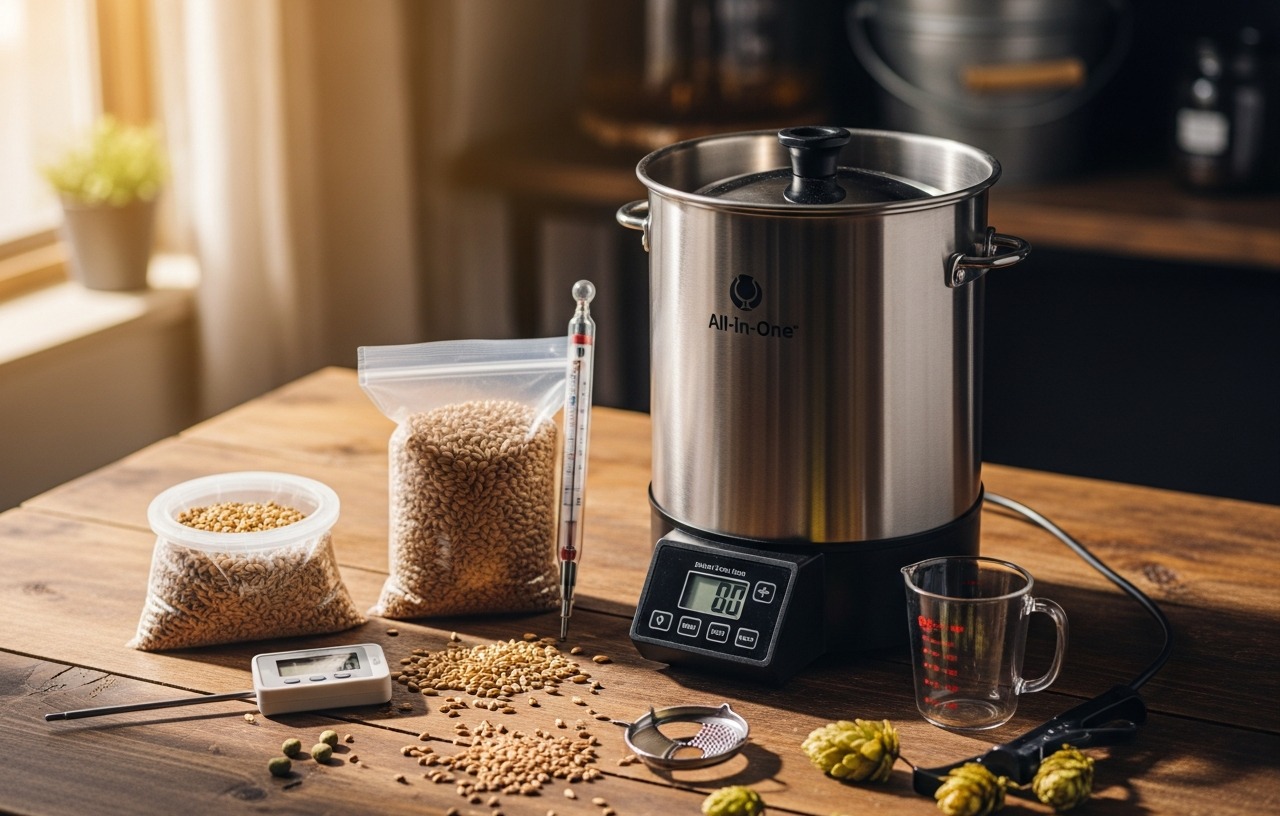
A 2-degree Fahrenheit drop in mash temperature over 10 minutes can significantly impact enzyme activity and final beer characteristics. Consistent mash temperature is essential for efficient sugar conversion and producing predictable wort. When your mash tun struggles to hold its heat, or if the temperature swings unexpectedly, it signals a problem that needs immediate attention.
Poor Mash Tun Insulation
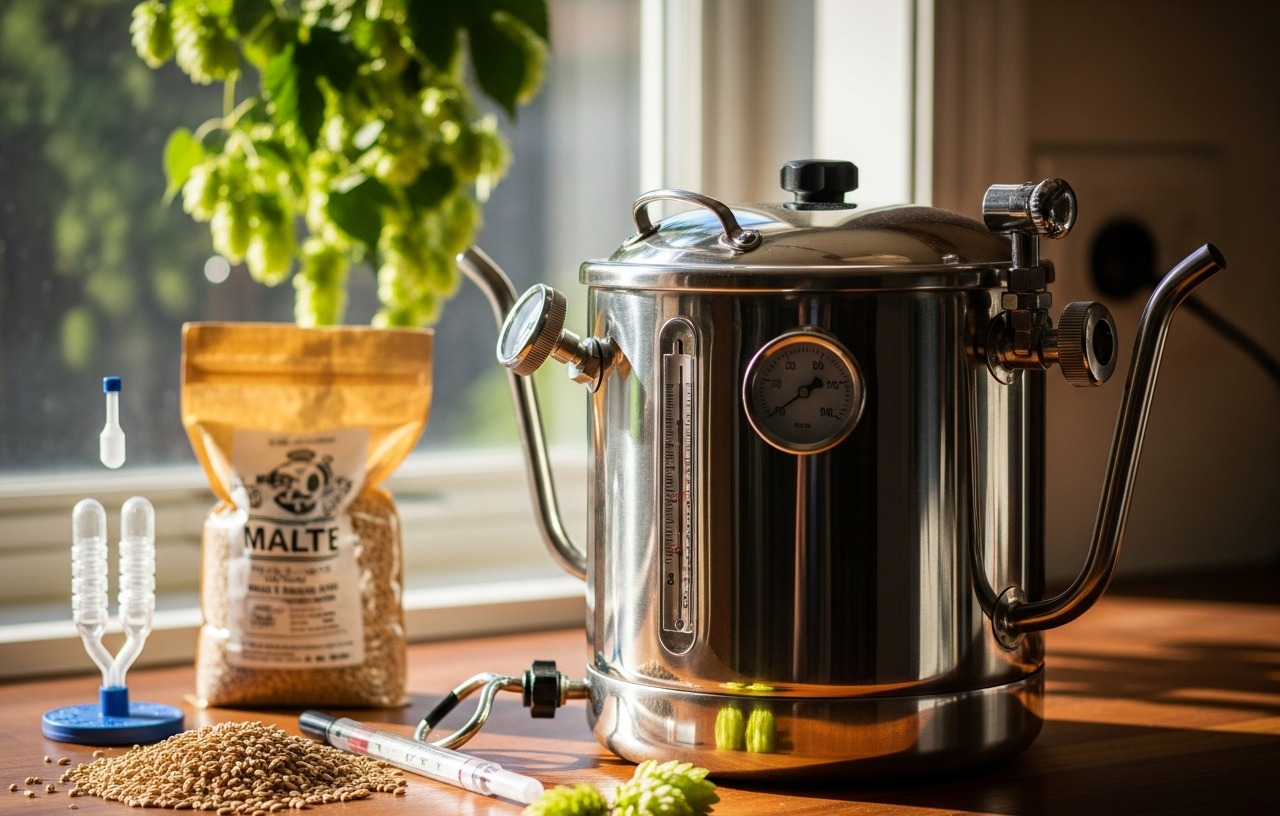
The most common reason for mash tun temperature fluctuations is inadequate insulation. Many homebrewers start with converted coolers, which offer decent insulation, but even these can be improved. Heat escapes through the walls, bottom, and especially the lid. A significant amount of thermal energy radiates away, particularly in cooler brewing environments.
To address this, consider adding an external insulation jacket or wrapping your mash tun. Reflective insulation products work by creating a radiant barrier, reflecting heat back into the tun. The INSULATION MARKETPLACE SmartSHIELD -3mm 48inx10ft ReflectiveINSULATION roll is an excellent choice for this purpose. It uses a 3mm closed-cell polyethylene foam core sandwiched between highly reflective engineered layers. This design reflects 95% of radiant energy, making it a perfect radiant barrier. It also acts as a vapor barrier, unaffected by humidity, so you can use it indoors or outdoors.
Alternatively, products like DGSL Double Reflective Bubble Foil Insulation Foam, 23.6 in X 10 FT Aluminum Foil Thermal Insulation Radiant Barrier offer a similar reflective quality with a bubble-type core. This type of insulation is lightweight and easy to cut. For a softer, more flexible option, Frost King CF1 "No Itch" Natural Cotton Multi-Purpose Insulation provides good thermal resistance. It is safe to handle without gloves or masks and can be cut or ripped to fit various shapes, including pipes and ducts connected to your mash tun.
How to Improve Mash Tun Insulation
- Wrap the Exterior: Cut insulation material to fit around the sides and bottom of your mash tun. Use strong adhesive tape designed for high temperatures to secure it. Make sure there are no gaps for heat to escape.
- Insulate the Lid: The lid is a major culprit for heat loss. Cut a piece of insulation to fit snugly inside your lid. Some brewers even create a removable insulation "pillow" that sits on top of the grain bed, under the lid.
- Cover Connections: If you have external tubing for recirculation (e.g., in a RIMS or HERMS system), insulate these lines. Even short runs of uninsulated tubing can cause noticeable temperature drops.
Lid Gaps and Improper Sealing
Even with good overall insulation, a poorly sealed lid will allow heat to escape rapidly. Steam rising from the mash indicates heat loss. Many coolers or converted kettles do not have airtight seals. Examine your lid for any visible gaps or areas where it does not sit flush.
One simple fix is to use weather stripping or high-temperature silicone gaskets around the rim of your mash tun. This creates a tighter seal when the lid is closed. Another method involves placing a heavy object on the lid to compress it and reduce gaps. Remember that every small opening contributes to heat loss, so seal them as much as possible.
Inaccurate Thermometer Readings
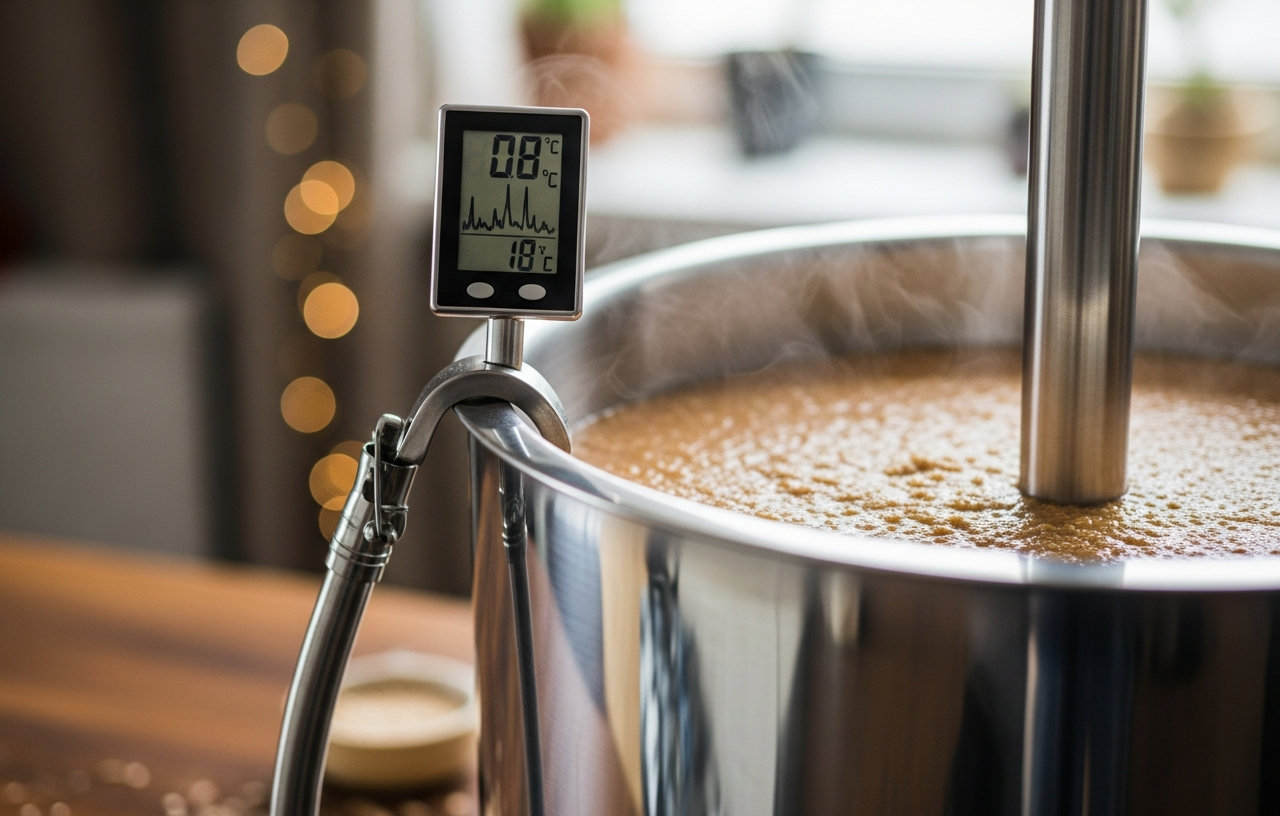
Sometimes, the mash temperature is stable, but your thermometer provides an incorrect reading. A faulty or uncalibrated thermometer can lead you to believe your mash is fluctuating when it is not. This can cause you to overcompensate with heating, which further destabilizes the mash.
Calibrating Your Thermometer
- Ice Bath Test: Fill a glass with crushed ice and add a small amount of cold water. Stir for a minute. The temperature should read 32°F (0°C). If it does not, note the difference.
- Boiling Water Test: At sea level, boiling water should read 212°F (100°C). Adjust for your altitude if necessary. Note the difference.
- Replacement: If your thermometer is consistently off by more than a couple of degrees and cannot be calibrated, replace it. Accurate temperature measurement is fundamental to brewing.
Considering a dedicated fermentation temperature controller can also provide more precise temperature monitoring, even if not directly controlling the mash tun, it builds good habits for accurate readings.
Ambient Environmental Conditions
The temperature of your brewing environment plays a significant role in mash tun heat retention. Brewing in a cold garage in winter will naturally lead to faster heat loss than brewing indoors or in a warmer climate. Drafts and cold surfaces can also pull heat away from your mash tun.
Try to brew in a stable environment. If you must brew in a cold area, increase your mash tun's insulation. Consider placing a blanket or sleeping bag over the insulated tun during the mash rest. This provides an extra layer of thermal protection. Moving your brew setup to a warmer room can also make a noticeable difference.
Insufficiently Preheated Mash Tun
Starting with a cold mash tun can immediately drop your mash temperature when you add the grains and hot liquor. The cooler material of the tun absorbs a significant amount of heat from your mash, bringing down the overall temperature. This is especially true for stainless steel kettles, which are excellent conductors of heat.
Always preheat your mash tun. Fill it with hot water (around 170-180°F, 77-82°C) and let it sit for at least 15-20 minutes with the lid on. Dump the preheating water just before adding your strike water and grains. This warms the vessel walls and minimizes initial heat loss.
Improper Mash Stirring or Temperature Stratification
Even if your mash tun is well-insulated, uneven temperatures can occur within the grain bed. Hot spots and cold spots develop if the mash is not thoroughly stirred after adding the strike water. This stratification can lead to inaccurate thermometer readings if the probe is in a cold spot, or inconsistent enzyme activity if parts of the mash are too cool or too hot.
Stir your mash thoroughly and vigorously when you first dough in. Make sure all grains are wetted and evenly distributed. Some brewers stir again halfway through the mash rest, though this can introduce oxygen and cause some heat loss. If you do stir mid-mash, do it quickly and gently, then reseal the lid immediately.
Faulty Heating Element or Controller (HERMS/RIMS Systems)
For brewers using more advanced all-grain brewing systems like HERMS (Heat Exchanger Recirculating Mash System) or RIMS (Recirculating Infusion Mash System), temperature fluctuations can stem from issues with the heating element or temperature controller. A heating element might be failing, not drawing enough power, or have mineral buildup preventing efficient heat transfer. A temperature controller, like an Inkbird, might be miscalibrated or have a faulty probe.
Troubleshooting HERMS/RIMS Heating
- Inspect Heating Element: Visually check the element for scale buildup or damage. Clean any scale with a descaling solution if necessary.
- Verify Controller Settings: Double-check your temperature controller's settings and calibration. Make sure the set point is correct and the PID (Proportional-Integral-Derivative) settings are optimized for your system.
- Check Wiring: Ensure all electrical connections are secure and free from corrosion. A loose wire can cause intermittent heating.
- Test Probe: Calibrate the temperature probe using the ice bath and boiling water tests. If it is faulty, replace it.
If you suspect an electrical component failure in your HERMS or RIMS system, and you are not comfortable working with high voltage, it is best to call a qualified electrician. An electrician's service call typically costs $80-$150, with labor rates ranging from $75-$150 per hour depending on your location and the complexity of the repair. Replacing a heating element or controller can add to this cost, but generally, these components are designed for user replacement.
Excessive Heat Loss During Recirculation
In recirculating mash systems, the wort is continuously pumped out of the mash tun, heated, and returned. If the pump or tubing used for recirculation is not insulated, heat can be lost during this process. This results in the heated wort returning at a lower temperature than intended, leading to a gradual mash temperature drop.
Insulate all external tubing, especially the hot liquor line leading to your heat exchanger and the return line to the mash tun. Using high-temperature silicone tubing, which has better insulating properties than standard vinyl, can also help. Make sure your pump is not operating excessively, as continuous rapid recirculation can also contribute to heat loss if the system is not perfectly efficient.
Improper Grain Crush
While less common as a direct cause of temperature fluctuation, an improper grain crush can indirectly affect mash temperature stability. A crush that is too fine can lead to a stuck mash, hindering recirculation in HERMS/RIMS systems and preventing even heat distribution. A crush that is too coarse might mean enzymes struggle to access starches, leading to a longer mash time where heat loss becomes more pronounced.
Aim for a consistent crush that breaks the grain kernels but leaves the husks largely intact. This provides a good filter bed and allows for efficient sparging and temperature stability. Adjusting your grain mill gap can often resolve this issue.
When to Call a Professional
Most mash tun temperature issues can be resolved with DIY insulation, thermometer calibration, or minor adjustments to your brewing process. However, if you are working with a complex electric brewing system and suspect a major electrical fault, such as a short circuit, smoking components, or a complete failure of the heating element that you cannot safely replace, calling a professional electrician is the safest course of action. For issues with automated brewing systems, sometimes the manufacturer offers technical support that can help diagnose specific component failures. Expect an electrician's visit to cost between $80 and $150 for the service call alone, with additional charges for parts and labor.
Maintaining a stable mash temperature is a hallmark of consistent, quality homebrewing. By systematically troubleshooting these common issues, you can gain better control over your mash and, ultimately, produce better beer.
INSULATION MARKETPLACE SmartSHIELD -3mm 48inx10ft ReflectiveINSULATION roll, Foam Core Radiant Barrier, ThermalINSULATION Shield
- Reflect 95% of radiant energy, perfect RADIANT BARRIER.
- VAPOR BARRIER -Unaffected by humidity and moisture, can be used indoor/outdoor.
- 3mm closed cell polyethylene FOAM ( not a cheap bubbles) sandwiched between highly reflective Engineered.
- Excellent soundproofing material.
Frost King CF1 "No Itch" Natural Cotton Multi-Purpose Insulation, 16 x 1 x 48-Inch
- Use For Insulating, Cushioning, And Noise Dampening
- Safe Alternative - No Gloves, Face Mask, Or Goggles Needed
- Cut Or Rip To Fit Pipes And Ducts, Walls, And Much More
- Brand Name: Frost King
DGSL Double Reflective Bubble Foil Insulation Foam, 23.6 in X 10 FT Aluminum Foil Thermal Insulation Radiant Barrier for Window,
- Reflective Window Insulation: Our rv window insulation is well-made, which is weight of 200 g / 10.76.
- Aluminum foil roll: Foil insulation roll is the ideal solution for you to beat the heat, reflective.
- Good Material: Reflective insulation roll is made of reflective double aluminum foil and bubble type.
- Good Performance: Window insulation kit for summer heat not only blocks the sun but it avoid heat loss.