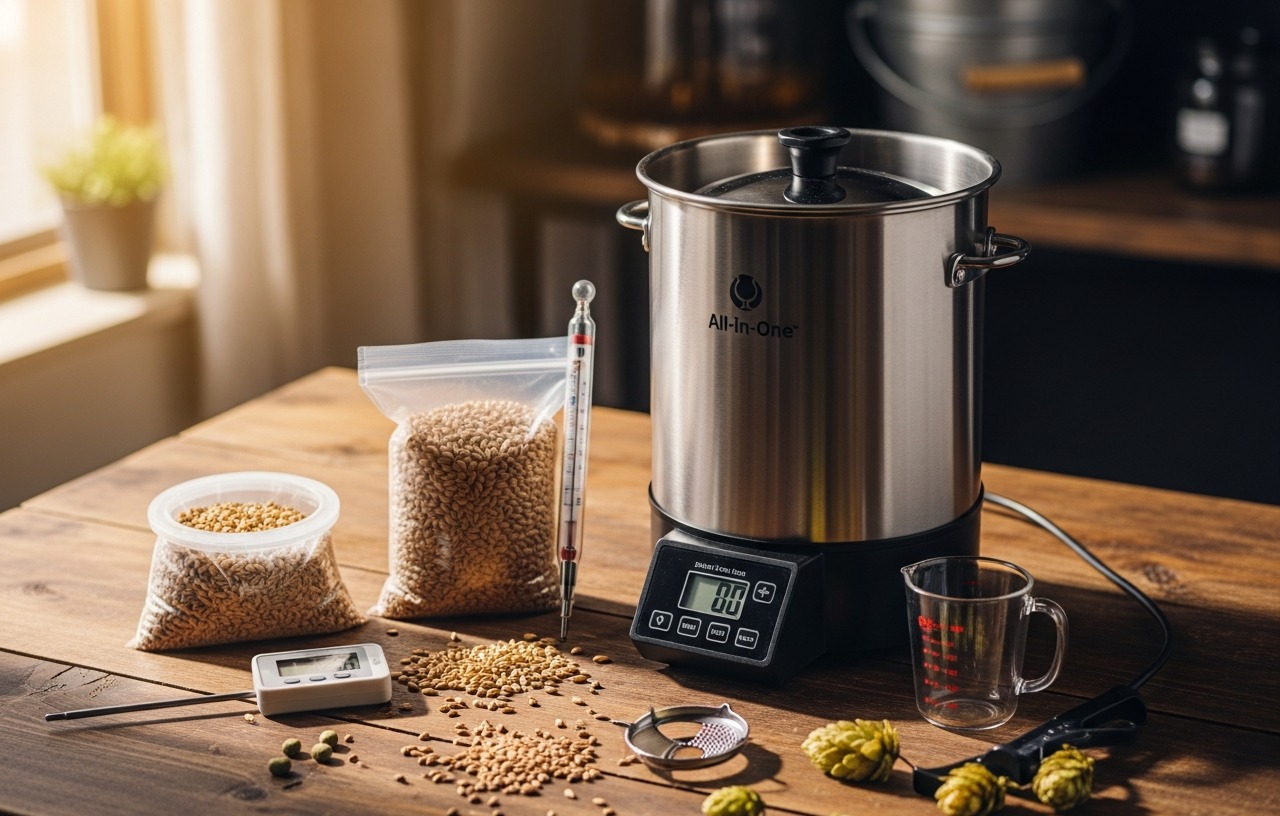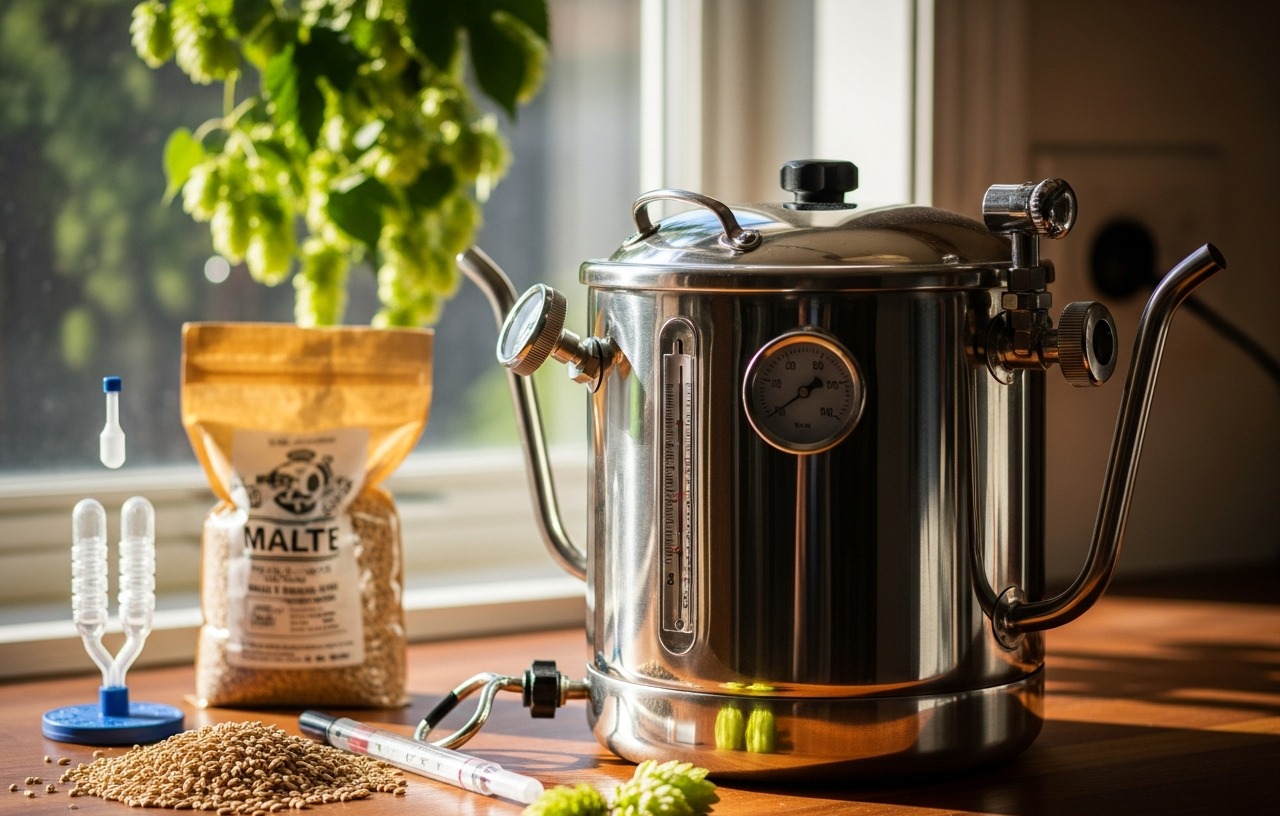

60L 316 without tap stainless steel fermentation barrel
- Products include: temperature patch, silicone plug, one-way valve, silicone ring.
- Product specifications: 60L, 304 stainless steel and 316stainless steel.The thickness of the barrel wall.
- Material: 304/316 stainless steel is a food grade material, safe and durable, strong corrosion resistance.
- Product function: fermentation, storage, aging, distillation, etc.

Stainless Steel Fermenter Conical Home Brewing Fermentation Tank (316, 20L)
- Products include: temperature patch, silicone plug, one-way valve, silicone ring.
- Product specifications: 12L, 20L, 35L, 60L, 115L. Divided into 304 stainless steel and 316 stainless steel.
- Material: 304 stainless steel is food grade, and the quality of 316 is higher than 304, which is more.
- Product function: fermentation, storage, aging, distillation, etc.

Stainless Steel Fermenter Conical Home Brewing Fermentation Tank (316, 35L)
- Products include: temperature patch, silicone plug, one-way valve, silicone ring.
- Product specifications: 12L, 20L, 35L, 60L, 115L. Divided into 304 stainless steel and 316 stainless steel.
- Material: 304 stainless steel is food grade, and the quality of 316 is higher than 304, which is more.
- Product function: fermentation, storage, aging, distillation, etc.
Choosing the right fermenter for your home brewing can greatly impact the final product. For many, the decision comes down to glass carboys versus stainless steel fermenters. For most brewers seeking durability, temperature control, and superior sanitation, the 60L 316 without tap stainless steel fermentation barrel stands out as the top choice.
Both vessel types offer distinct advantages and disadvantages. Your brewing goals, budget, and desired level of convenience will determine the best fit for your setup. Understanding these differences helps you make an informed decision for your beer, wine, kombucha, or mead.
Glass Carboys: Transparency and Tradition
Glass carboys have been a staple in home brewing for decades. Their classic design and transparent nature appeal to many brewers who want to observe their fermentation process directly. These vessels are typically made from thick, durable glass, but they do require careful handling.
Strengths of Glass Carboys
- Visibility: The clear glass allows you to watch the fermentation activity, including krausen formation and yeast flocculation. This visual feedback helps you track your brew's progress.
- Oxygen Barrier: Glass is an impermeable material. It offers an excellent oxygen barrier, which is essential for preventing oxidation in your beer or wine.
- Cost: Generally, glass carboys have a lower upfront cost compared to many stainless steel options. This makes them an accessible entry point for new brewers. For more options, explore Best Fermentation Vessels for Beer: Glass Options Reviewed.
Weaknesses of Glass Carboys
- Fragility: Glass is susceptible to breakage. A dropped carboy can shatter, creating a dangerous mess and losing your entire batch. This fragility makes moving full carboys risky.
- Cleaning Difficulty: The narrow neck of a glass carboy makes cleaning challenging. Reaching the bottom and sides requires specialized brushes, and dried krausen can be stubborn.
- Weight: A full 5-gallon glass carboy can weigh over 50 pounds, making it cumbersome and difficult to move safely.
- Temperature Control: Glass offers minimal insulation. This means external temperature fluctuations can quickly impact your fermenting liquid, requiring more effort to maintain stable fermentation temperatures.
Stainless Steel Fermenters: Durability and Control
Stainless steel fermenters represent a significant upgrade for many home brewers. They are robust, offer superior temperature control, and come in various designs, including conical options. The material itself is a favorite for its sanitation properties and longevity.
Strengths of Stainless Steel Fermenters
- Durability: Stainless steel is nearly indestructible in a home brewing setting. It will not shatter if dropped, making it a much safer option for handling and transport. This makes them a long term investment.
- Temperature Control: Stainless steel conducts heat well. This property, combined with optional dimpled jackets or external temperature wraps, allows for precise temperature regulation. Many brewers pair these fermenters with a fermentation temperature controller for optimal results.
- Cleaning: Most stainless steel fermenters feature wide openings or removable lids, making cleaning much easier than with glass carboys. Many are also compatible with Clean-in-Place (CIP) systems.
- Oxygen Barrier: Like glass, stainless steel provides an excellent oxygen barrier, protecting your brew from oxidation.
- Sanitation: The non-porous surface of stainless steel resists bacterial growth and is easy to sanitize effectively. Learn more about How to Sanitize Brewing Equipment for Beer.
- Conical Options: Many stainless steel fermenters are designed with a conical bottom, allowing for easy yeast harvesting and trub dumping without disturbing the main body of the beer.
Weaknesses of Stainless Steel Fermenters
- Visibility: The opaque nature of stainless steel means you cannot visually observe the fermentation process. Brewers often rely on airlock activity, specific gravity readings, and temperature logs instead.
- Cost: Stainless steel fermenters typically have a higher initial purchase price compared to glass carboys. However, their durability and features often justify the investment over time.
Our Top Picks for Stainless Steel Fermenters
TOP PICK: 60L 316 without tap stainless steel fermentation barrel
This 60L stainless steel fermentation barrel is our top recommendation for serious home brewers. It offers a substantial capacity suitable for larger batches of beer, wine, or mead. The construction uses either 304 or 316 stainless steel, both food-grade materials known for safety, durability, and strong corrosion resistance. The 316 stainless steel option provides an even higher quality material for enhanced longevity and resistance to harsh brewing environments. This barrel includes essential accessories such as a temperature patch, silicone plug, one-way valve, and a silicone ring, making it ready for fermentation right out of the box. Its robust barrel wall thickness promises excellent structural integrity and thermal stability.
Option 2: Stainless Steel Fermenter Conical Home Brewing Fermentation Tank (316, 20L)
For brewers needing a smaller, more versatile option, the 20L conical fermenter is an excellent choice. This model is available in various sizes, including 12L, 20L, 35L, 60L, and 115L, allowing you to select the perfect volume for your brewing needs. It comes in both 304 and 316 food-grade stainless steel options, with the 316 variant offering superior corrosion resistance and durability. The conical design facilitates easy yeast harvesting and trub removal, a significant advantage for brewers who re-pitch yeast or want clearer beer. It also includes a temperature patch, silicone plug, one-way valve, and a silicone ring for a complete fermentation setup.
Option 3: Stainless Steel Fermenter Conical Home Brewing Fermentation Tank (316, 35L)
The 35L conical fermenter strikes a balance between capacity and manageability, making it ideal for standard 5-gallon batches with ample headspace. Like the 20L model, it is available in 304 and 316 food-grade stainless steel, with 316 offering enhanced quality. This fermenter shares the benefits of its conical design, allowing for efficient separation of yeast and trub from your fermenting liquid. It also comes equipped with a temperature patch, silicone plug, one-way valve, and a silicone ring, providing all the necessary components for a successful fermentation. Its size is perfect for brewers looking to upgrade from smaller vessels without committing to the largest capacities.
Comparison Table: Glass Carboy vs. Stainless Steel Fermenter
| Feature | Glass Carboy | Stainless Steel Fermenter |
|---|---|---|
| Material | Glass | 304 or 316 Food-Grade Stainless Steel |
| Visibility | Excellent (can see fermentation) | None (opaque) |
| Durability | Fragile, prone to breakage | Extremely durable, nearly indestructible |
| Cleaning | Challenging (narrow neck) | Easy (wide openings, sometimes CIP capable) |
| Oxygen Barrier | Excellent | Excellent |
| Temperature Control | Poor insulation, susceptible to ambient temps | Good conductivity, easy to control with external devices |
| Initial Cost | Lower | Higher |
| Weight (full 5-gal) | Heavy (50+ lbs) | Manageable (often lighter than glass, depending on design) |
| Yeast Harvesting | Difficult (requires siphoning) | Easy (especially with conical designs and dump valves) |
Which Fermenter is Right for You?
Choose a Glass Carboy If:
- You are a new brewer with a limited budget.
- You enjoy observing the fermentation process directly.
- You are careful with handling fragile equipment.
- You brew smaller batches and do not need to move the fermenter frequently when full.
Choose a Stainless Steel Fermenter If:
- You prioritize durability and safety.
- You want precise temperature control for consistent brewing results.
- You brew frequently and value easy cleaning and sanitation.
- You are interested in yeast harvesting for subsequent batches.
- You are willing to invest more upfront for a long-lasting piece of equipment.
- You plan to experiment with pressurized fermentation or closed transfers.
- You are looking for an upgrade from a basic homebrew starter kit.
Final Recommendation
While glass carboys remain a traditional and cost effective option for many home brewers, the advantages of stainless steel fermenters are compelling. For most brewers, especially those looking for consistency, durability, and ease of use, a stainless steel fermenter is the superior choice. The initial investment is higher, but the benefits of precise temperature control, easy cleaning, and robust construction offer significant value over many years of brewing.
Our top recommendation, the 60L 316 without tap stainless steel fermentation barrel, provides excellent capacity and material quality. For those who prefer conical designs or different volumes, the Stainless Steel Fermenter Conical Home Brewing Fermentation Tanks (20L and 35L options) also offer exceptional performance. Making the switch to stainless steel often translates to better beer, wine, kombucha, or mead, and a more enjoyable brewing experience overall.
60L 316 without tap stainless steel fermentation barrel
- Products include: temperature patch, silicone plug, one-way valve, silicone ring.
- Product specifications: 60L, 304 stainless steel and 316stainless steel.The thickness of the barrel wall.
- Material: 304/316 stainless steel is a food grade material, safe and durable, strong corrosion resistance.
- Product function: fermentation, storage, aging, distillation, etc.
Stainless Steel Fermenter Conical Home Brewing Fermentation Tank (316, 20L)
- Products include: temperature patch, silicone plug, one-way valve, silicone ring.
- Product specifications: 12L, 20L, 35L, 60L, 115L. Divided into 304 stainless steel and 316 stainless steel.
- Material: 304 stainless steel is food grade, and the quality of 316 is higher than 304, which is more.
- Product function: fermentation, storage, aging, distillation, etc.
Stainless Steel Fermenter Conical Home Brewing Fermentation Tank (316, 35L)
- Products include: temperature patch, silicone plug, one-way valve, silicone ring.
- Product specifications: 12L, 20L, 35L, 60L, 115L. Divided into 304 stainless steel and 316 stainless steel.
- Material: 304 stainless steel is food grade, and the quality of 316 is higher than 304, which is more.
- Product function: fermentation, storage, aging, distillation, etc.