
One Step No Rinse Cleanser (1 lb) Homebrew Cleaner in Foil Pouch
- [NO RINSE CLEANSER] One step powder is the original no rinse cleanser for brewing. It gives a non alkaline.
- [MULTI PURPOSE] One Step cleanser is a non-foaming brewer cleanser used with any homebrew sanitizer.
- [USE IT ANYWHERE] One step cleanser is formulated to be used as both a standard brewing cleaner and a.
- [HOW IT WORKS] Mix One tablespoon of One Step beer sanitizer with one gallon of warm water to prepare your.

FastRack One Step No Rinse Cleaner - 1 Lb. (1Step-1lb)
- 1 lb One Step No Rinse Cleaner
- Model Number: LDC One-Step-1LB
- Item Package Dimension: 4.599999995308" L x 3.399999996532" W x 1.099999998878" H
- Item Package Weight: 1.0 lb
A sharp, sour taste in your homebrew beer can quickly turn excitement into disappointment. This off-flavor often points to one of three main issues: an unwelcome microbial infection, excessive oxidation, or stressed yeast during fermentation. Identifying the root cause is the first step toward salvaging a batch or, more importantly, preventing it from happening again.
Understanding the Main Causes of Sour Homebrew
Many factors can contribute to unwanted sourness. The most common culprits introduce acids that fundamentally alter the beer's flavor profile. Pinpointing which one is affecting your brew requires careful observation and a systematic approach.
1. Microbial Infection (Wild Yeast or Bacteria)
Microbial infection is the most frequent cause of sour homebrew. Unwanted wild yeasts or bacteria, particularly Lactobacillus and Pediococcus, can take hold in your wort or beer. These microorganisms produce lactic acid, acetic acid, and other compounds. The result is often a distinctly sour, tart, or even vinegary flavor.
How to Confirm a Microbial Infection
- Visual Inspection: Look closely at the beer's surface in the fermenter, carboy, or even in a bottle. Is there a strange film, often thin, white, or slimy? This is called a pellicle. It can resemble a spiderweb or a wrinkled skin. While not all infections produce a visible pellicle, its presence is a strong indicator. Also, look for unusual sediment or cloudy patches.
- Smell Test: Carefully open the fermenter or a bottle. Does the aroma seem off? Look for smells reminiscent of vinegar, sour milk, rotten fruit, or even band-aids. These are clear signs of bacterial or wild yeast activity.
- Taste Test: If visual and smell tests are inconclusive and you suspect a minor issue, taste a tiny amount. A pronounced tartness, sharp acidity, or a flavor that simply does not belong in the beer style can confirm an infection. Immediately spit out any beer that tastes severely off.
Preventing and Addressing Infections
If an infection is confirmed, the batch is usually lost. Do not try to ferment it further or blend it. The critical step is preventing future infections through rigorous sanitation of all brewing equipment.
- Thorough Cleaning: Always clean all equipment that contacts the wort or beer after the boil. This includes fermenters, airlocks, stoppers, siphons, tubing, bottling wands, bottles, and kegs. Use a high quality no-rinse cleanser before sanitizing.
- Sanitizer Use: After cleaning, make sure to sanitize everything properly. Follow the manufacturer's instructions for contact time and dilution.
- Product Recommendation: The cleaning process is vital. The One Step No Rinse Cleanser (1 lb) Homebrew Cleaner in Foil Pouch is an excellent choice for this. It is an original no-rinse cleanser for brewing, featuring a non-alkaline formula. This multi-purpose cleanser is non-foaming and designed to be used with any homebrew sanitizer. Another reliable option is the FastRack One Step No Rinse Cleaner - 1 Lb. This product is another 1 lb container of One Step No Rinse Cleaner, known for its effectiveness.
- Equipment Replacement: If plastic equipment (tubing, gaskets, plastic fermenters) was used with an infected batch, consider replacing it entirely. Plastic can harbor microbes in microscopic scratches that are impossible to clean. Glass carboys are less prone to this issue because of their smooth, non-porous surface. Learn more about Best Fermentation Vessels for Beer: Glass Options Reviewed.
The cost of a lost batch depends on the ingredients, typically $30-$60 for a 5-gallon batch. Replacing critical plastic components might cost $10-$50. A good no-rinse cleanser costs $10-$20 for a pound.
2. Oxidation
Oxygen exposure after fermentation is complete can cause a range of off-flavors. These often include stale, papery, or cardboard notes. In some cases, a sherry-like sweetness can develop. These flavors can sometimes be perceived as a general tartness or an unpleasant sharpness, especially if combined with other minor off-notes.
How to Confirm Oxidation
- Taste Test: Does the beer taste stale or like wet cardboard? Is there a noticeable lack of freshness, or a sherry-like sweetness alongside any perceived sourness? Oxidized beers often lose their vibrant hop character and develop a dull, flat flavor.
- Color Observation: Oxidized beer often darkens prematurely. If your beer is significantly darker than expected for its style, or if it has darkened considerably since packaging, oxidation could be a factor.
Preventing Oxidation
Minimizing oxygen exposure after fermentation is the primary way to prevent oxidation.
- Gentle Transfers: Use proper techniques to transfer beer from fermenter to secondary, or to bottles or kegs. Avoid splashing the beer at all costs. Use siphons with care, keeping the receiving end below the beer level to prevent aeration.
- Purging with CO2: If you are kegging, purge kegs with CO2 multiple times before filling them with beer. This removes oxygen from the keg, protecting your finished product.
- Minimize Headspace: Fill bottles or kegs as completely as possible to reduce the amount of oxygen trapped in the headspace.
There is no direct repair cost for oxidation. Prevention involves careful technique and possibly investing in kegging equipment (CO2 tank, regulator, kegs), which can range from $200-$500 for a basic setup. Explore your options for Best Kegerator Conversion Kits: Turn Any Fridge Into Draft Beer.
3. Fermentation Issues (Yeast Stress or Temperature)
Unhappy or stressed yeast can produce a range of off-flavors, some of which might be perceived as sour or harsh. This includes excessive esters (fruity, but can be overwhelming or cloying), fusel alcohols (harsh, solvent-like, or burning), or simply an imbalance due to poor yeast health or improper fermentation temperatures. Fermenting too warm, especially with certain ale strains, can lead to these undesirable byproducts.
How to Confirm Fermentation Issues
- Temperature Log Review: Did you monitor your fermentation temperature? Review your logs. Did the temperature spike too high or drop too low for the yeast strain's recommended range? Wild temperature swings can stress yeast.
- Yeast Health Assessment: Consider your yeast pitching rate. Did you underpitch (use too little yeast for the volume and gravity of wort)? Was the yeast old or improperly rehydrated? Did you use enough yeast nutrient, especially for higher gravity beers or those made with ingredients lacking essential nutrients?
- Gravity Readings: Did fermentation complete successfully? A stuck fermentation, where the yeast stops converting sugars prematurely, can also contribute to off-flavors, though typically not outright sourness.
Preventing Fermentation Off-Flavors
Addressing fermentation issues involves creating an optimal environment for your yeast.
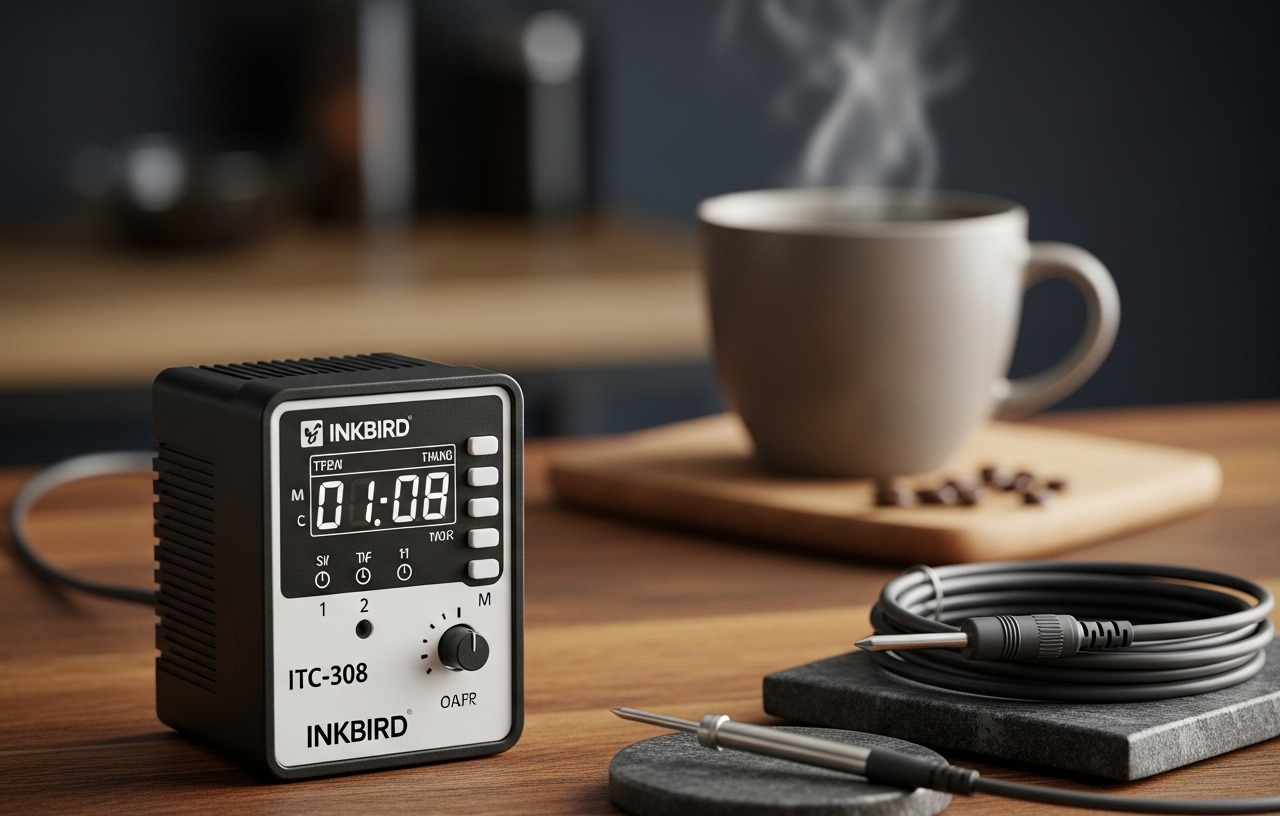
- Temperature Control: Maintain a stable fermentation temperature within the yeast's recommended range. Fluctuations can cause stress. A fermentation temperature controller is a valuable tool for home brewers. The Inkbird ITC-308 Review: The Best Budget Fermentation Controller? offers precise control.
- Proper Pitching: Pitch a healthy amount of fresh, viable yeast. For higher gravity beers, consider making a yeast starter to ensure you have enough active cells. Always rehydrate dry yeast according to manufacturer instructions.
- Yeast Nutrients: Add yeast nutrients to the wort, especially for low-nutrient recipes (like mead or some ciders) or if you are reusing yeast.
A fermentation controller might cost $30-$80. Yeast starters require a larger vessel and good technique, or possibly a stir plate ($50-$100). Yeast nutrients are inexpensive, typically $5-$15 per packet.
Other Potential Factors for Sourness
While less common as primary causes of sourness, these factors can sometimes contribute to an unpleasant sharpness in your beer.
Water Chemistry
Inappropriate water chemistry can accentuate off-flavors or create an imbalance. Water with very low alkalinity or a high sulfate-to-chloride ratio might make a beer taste sharper or more astringent, which some might interpret as a form of sourness. This is more common in advanced brewing and typically doesn't cause outright sourness on its own.
- Test: Obtain a local water report from your municipal water provider or have your brewing water tested by a lab.
- Solution: Adjust your water profile with brewing salts (e.g., gypsum, calcium chloride) to match the desired profile for your beer style.
Water testing kits range from $10-$50. Brewing salts are very inexpensive.
Autolysis
Autolysis occurs when yeast cells die and break open, releasing their internal contents into the beer. This usually imparts rubbery, meaty, or savory flavors. In extreme cases, or when combined with other issues, it can contribute to an overall harsh, unpleasant character that some might interpret as sour or metallic. Autolysis is more common with very long primary fermentations (several months) on a thick yeast cake.
- Test: Has the beer been sitting on a very thick yeast cake for an extended period, significantly longer than a month or two?
- Solution: Rack the beer off the yeast cake within a reasonable timeframe, typically 2-4 weeks for most ales, and 4-8 weeks for lagers or higher gravity beers.
Proactive Steps for Future Batches
Preventing sourness in your homebrew comes down to consistent, careful practices. Here are the most effective strategies:
- Maintain Impeccable Cleanliness and Sanitation: This is the single most important factor. Every piece of equipment that touches your wort after the boil must be clean and sanitized. Use a reliable no-rinse cleanser and sanitizer every time.
- Control Oxygen Exposure: Be diligent about minimizing splashing and exposure to air once fermentation begins and especially during transfers and packaging.
- Manage Fermentation Temperature: Invest in and use a fermentation temperature controller. Keep your brew within the optimal temperature range for your chosen yeast strain.
- Ensure Healthy Yeast: Always pitch enough healthy, viable yeast. Pay attention to yeast age, proper rehydration, and consider using yeast nutrients for challenging fermentations.
- Consider Water Profile: As you advance in brewing, consider your water profile. Adjusting it can improve overall beer quality and mitigate potential off-flavors.
By focusing on these core principles, you significantly reduce the risk of your homebrew developing an unwelcome sour taste. Consistent practice leads to better beer.
One Step No Rinse Cleanser (1 lb) Homebrew Cleaner in Foil Pouch
- [NO RINSE CLEANSER] One step powder is the original no rinse cleanser for brewing. It gives a non alkaline.
- [MULTI PURPOSE] One Step cleanser is a non-foaming brewer cleanser used with any homebrew sanitizer.
- [USE IT ANYWHERE] One step cleanser is formulated to be used as both a standard brewing cleaner and a.
- [HOW IT WORKS] Mix One tablespoon of One Step beer sanitizer with one gallon of warm water to prepare your.
FastRack One Step No Rinse Cleaner - 1 Lb. (1Step-1lb)
- 1 lb One Step No Rinse Cleaner
- Model Number: LDC One-Step-1LB
- Item Package Dimension: 4.599999995308" L x 3.399999996532" W x 1.099999998878" H
- Item Package Weight: 1.0 lb