![Twin Bubble Airlock Set [6 Pack], Brew Kits Airlocks for Fermenting,Fermentation Airlock with 6 Stoppers + 12 Grommets](https://m.media-amazon.com/images/I/61t7lKv2FHL._AC_SX679_.jpg)
Twin Bubble Airlock Set [6 Pack], Brew Kits Airlocks for Fermenting,Fermentation Airlock with 6 Stoppers + 12 Grommets
- A More Complete Brewing Airlock Kit: If you need a fermenting airlocks that can be used for a long time.
- Improved High Transparency Bubble Airlock :Different than other normal S shape airlocks in the market,our.
- Improved Cap Easy On and OFF :This new type of dust cap has a zigzag design on the surface and will not.
- Reusable and Widely Application :These Bubble Airlock Sets are solid and reusable.They can lasts for a.

Bubble Airlock Set, 4 Airlocks for Fermenting, 4 Drilling #6 Stoppers and 8 Airlock Grommets, Used for Brewing Wine, Beer,
- Compared with other airlocks for fermenting, it is stronger, more transparent, and made of food-grade.
- The air lock can be used for various fermentation projects to preserve food. As a brewing airlock, craft.
- 4 fermentation airlocks, size: height 6.7 in/17 cm. 4 No. 6 fermentation stoppers, size: top diameter 1.3.
- The good airtightness of the fermentation airlock makes fermentation easier, effectively isolates the air.

FastRack 3-Piece Airlock Set for Fermentation (Set of 2) | Includes Transparent Airlocks and Drilled Rubber Stoppers to Hydrolocks
- WHAT'S INCLUDED: With this purchase, you'll receive a set os 2 transparent 3-piece airlocks and two.
- Insert the assembled airlock into the hole of the rubber stopper that fits your current jug or carboy.
- Airlocks enable CO2 to be released during fermentation and trap oxygen from entering the fermenter. The.
- FastRack bungs come with a pre-drilled hole in the center sized to fit all standard-sized airlocks. The.
Active fermentation is a lively process. Yeast consumes sugars and produces alcohol and carbon dioxide (CO2). This CO2 production can be intense, especially in the initial stages of fermentation. The vigorous bubbling pushes a thick foam, called krausen, to the surface of your fermenting liquid. If your fermenter is too full or you are using a standard airlock during this peak activity, the krausen can easily overwhelm the opening, leading to a messy overflow. This overflow is not just unsightly; it can leave your fermenter's opening exposed, increasing the risk of unwanted bacteria or wild yeast entering your brew. A blow-off tube is a simple, yet highly effective tool for managing this vigorous phase, protecting your ferment and your brewing area.
What is a Blow-Off Tube and How Does It Work?
A blow-off tube is essentially a length of flexible tubing connected to your fermenter. Instead of a standard airlock, the tubing runs from an opening on your fermenter's lid or stopper into a container of sanitizer. The CO2 produced during fermentation travels through the tubing and bubbles out into the sanitizer solution. This setup allows for a much larger volume to be vented compared to a standard airlock. It keeps the krausen contained within the tubing and the sanitizer bucket, preventing it from escaping and making a mess. The sanitizer solution also acts as a barrier, preventing oxygen and contaminants from entering the fermenter through the open-ended tube.
Why Use a Blow-Off Tube Instead of a Standard Airlock?
Standard 3-piece or S-shaped airlocks are excellent for maintaining a sterile environment once fermentation has settled. They allow CO2 to escape while preventing air and contaminants from entering. However, during the initial, most active phase of fermentation, the sheer volume of CO2 and krausen produced can clog a standard airlock. This blockage can lead to pressure building up inside the fermenter, forcing the krausen out through any available seal, or worse, potentially causing the lid to pop off. A blow-off tube provides a significantly larger diameter pathway for the CO2 and krausen, drastically reducing the chance of a clog and subsequent overflow. It is especially recommended for beginners who might be surprised by the intensity of a "blowout" event. For those brewing kombucha or other ferments that produce substantial foam, a blow-off tube is almost a necessity. It is also a good idea for fermentations in carboys or jugs where the headspace is limited. You can find excellent options like the [TOP PICK] Twin Bubble Airlock Set [6 Pack], Brew Kits Airlocks for Fermenting,Fermentation Airlock with 6 Stoppers + 12 Grommets, which can be adapted for blow-off setups by using a stopper with a drilled hole and a length of tubing.
When to Use a Blow-Off Tube
The primary time to use a blow-off tube is during the initial, most vigorous stage of fermentation. This period typically lasts from 24 to 72 hours after pitching your yeast, depending on the yeast strain, temperature, and wort gravity. You will observe significant bubbling activity and the formation of a thick krausen. Once this initial surge subsides, and the bubbling becomes less intense, you can switch back to a standard airlock if desired. This transition helps to maintain a sterile seal as fermentation continues at a slower pace.
Consider using a blow-off tube if:
- You are brewing a beer with an Original Gravity (OG) above 1.060.
- Your fermentation temperature is at the higher end of the recommended range for your yeast.
- You are making kombucha, kefir, or other ferments known for prolific foam production.
- You are using a smaller fermenter with limited headspace relative to the volume of liquid.
- You are going to be away from your fermenter for more than 24 hours during the initial fermentation phase.
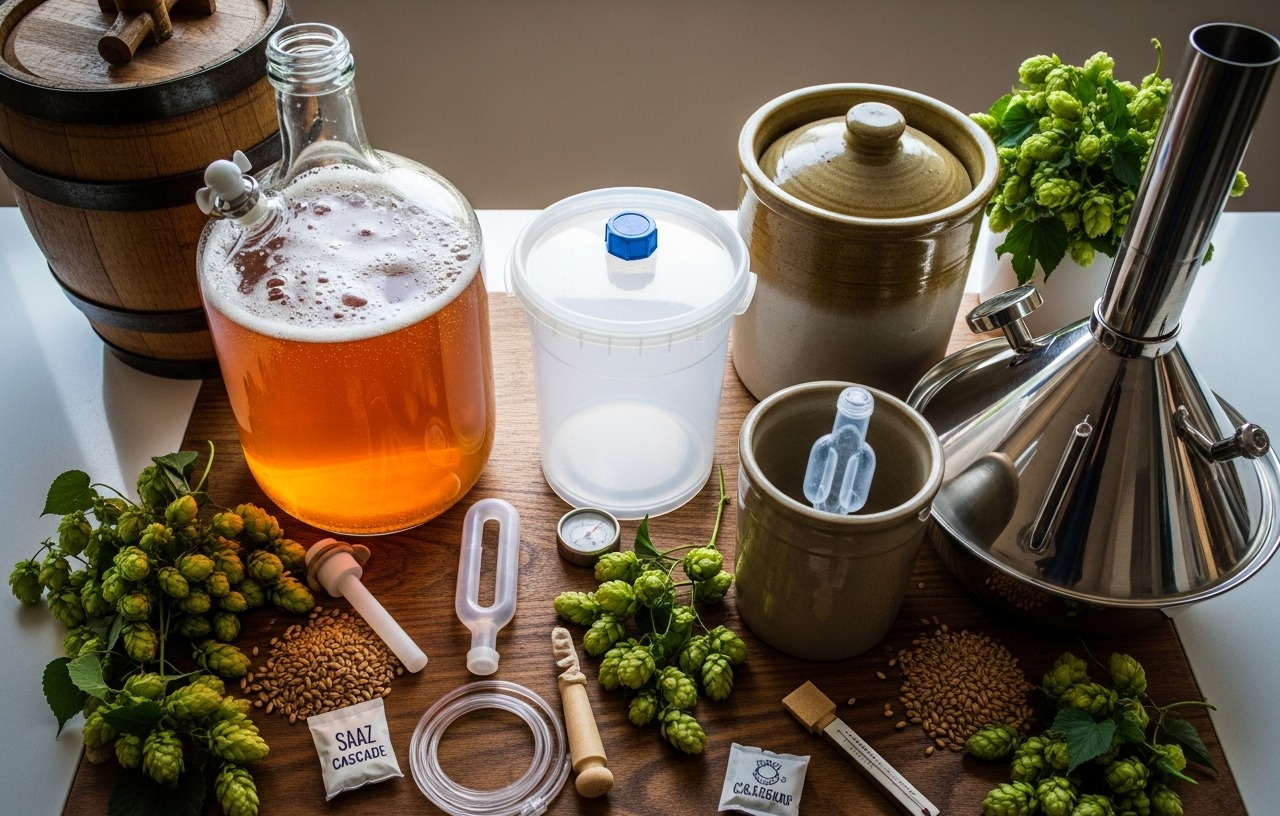
For many, especially those brewing beer, wine, or mead, the transition back to a standard airlock is common. This is a good practice that can be easily accomplished. Many homebrewers find that a simple glass fermentation vessel works well for this. Some brewers even opt to leave the blow-off tube in place for the entire fermentation. This is perfectly acceptable, though it does mean the open end of the tube is always exposed to the sanitizer solution. You likely already have some of these items if you are involved in home fermentation.
Essential Components:
- Fermenter: This can be a glass carboy, plastic fermenter, or even a bucket.
- Stopper or Lid with Hole: You need a way to seal your fermenter, with a drilled hole sized for your tubing or a grommet. Rubber stoppers with a single hole are common for carboys. Bucket lids often have a hole for an airlock grommet.
- Flexible Tubing: Food-grade vinyl or silicone tubing is ideal. Common sizes are 1/2 inch or 3/8 inch inner diameter. Ensure it fits snugly into your stopper or grommet.
- Sanitizer Solution: Use your preferred brewing sanitizer, such as Star San or Iodophor, mixed with water.
- Container for Sanitizer: A small glass jar, beaker, or even a plastic tub that the end of the tubing can rest in.
Optional Components:
- Clamps: To secure the tubing to a spout or fitting if needed.
- Fittings: Barbed fittings can be used to connect tubing to stoppers or lids if a direct fit isn't possible.
The cost for tubing is typically very low, often under $10 for several feet. Food-grade silicone tubing is more expensive but also more durable and easier to clean. Rubber stoppers can range from $3 to $7 each, depending on size. The overall setup cost is minimal, often less than $20, making it an accessible upgrade for any homebrewer. If you are starting from scratch, consider a reliable fermentation vessel that can accommodate a stopper or a lid with an airlock hole.
How to Set Up a Blow-Off Tube: step by step
Setting up a blow-off tube system is a simple process that takes only a few minutes. Proper sanitation is key at every step.
-
Prepare Your Fermenter and Stopper/Lid
Ensure your fermenter is clean and sanitized. If using a carboy, fit a drilled rubber stopper into the neck. If using a bucket, ensure the lid has a grommet installed in the pre-drilled hole. The hole in the stopper or grommet should be sized to create a snug fit for your tubing.
-
Cut Tubing to Length
Measure and cut a sufficient length of flexible tubing. The tube should be long enough to reach from your fermenter's opening to a container of sanitizer placed nearby on the floor or a lower shelf. A length of 2 to 3 feet is usually adequate.
-
Connect the Tubing
Insert one end of the tubing firmly into the hole of your stopper or grommet. Push it in far enough to create a secure seal. If using a stopper, it might be helpful to wet the end of the tubing slightly with sanitizer to ease insertion. Ensure the connection is airtight.
-
Prepare the Sanitizer Container
Fill a clean jar, beaker, or small bucket with your chosen sanitizer solution. The liquid level should be high enough so that the end of the tubing will be submerged by at least an inch when placed inside.
-
Place the Tubing End in Sanitizer
Submerge the free end of the tubing into the sanitizer solution in your container. The bubbling CO2 will push the liquid away from the tubing end, creating the "blow-off" effect. This setup will allow gas to escape while preventing air from entering.
-
Seal the Fermenter
Place the stopper with the attached tubing into the neck of your carboy, or secure the lid onto your fermenter bucket. Double check that the stopper or lid is sealed properly.
-
Monitor Fermentation
Keep an eye on the sanitizer container. You should see bubbles forming as CO2 is released. If the krausen is very vigorous, you may see foam being pushed through the tubing into the sanitizer. The sanitizer solution will help to contain this foam. Ensure the end of the tube remains submerged in the sanitizer.
Transitioning Back to a Standard Airlock
Once the initial, violent stage of fermentation subsides, typically after 24-72 hours, you can switch back to a traditional airlock. This is a good practice to maintain a more secure seal and reduce the risk of evaporation. To do this:
-
Sanitize New Components
Sanitize a standard 3-piece or S-shaped airlock and a stopper or grommet that fits your fermenter. If you are using the [Option 2] Bubble Airlock Set, 4 Airlocks for Fermenting, ensure it's clean and ready.
-
Remove Blow-Off Tube
Carefully remove the stopper or lid from your fermenter. Gently pull the tubing out of the stopper or grommet. Be quick to minimize exposure to air.
-
Install Airlock
Insert the sanitized stopper or grommet into the fermenter opening. Fill the airlock halfway with sanitizer solution and insert it into the stopper or grommet.
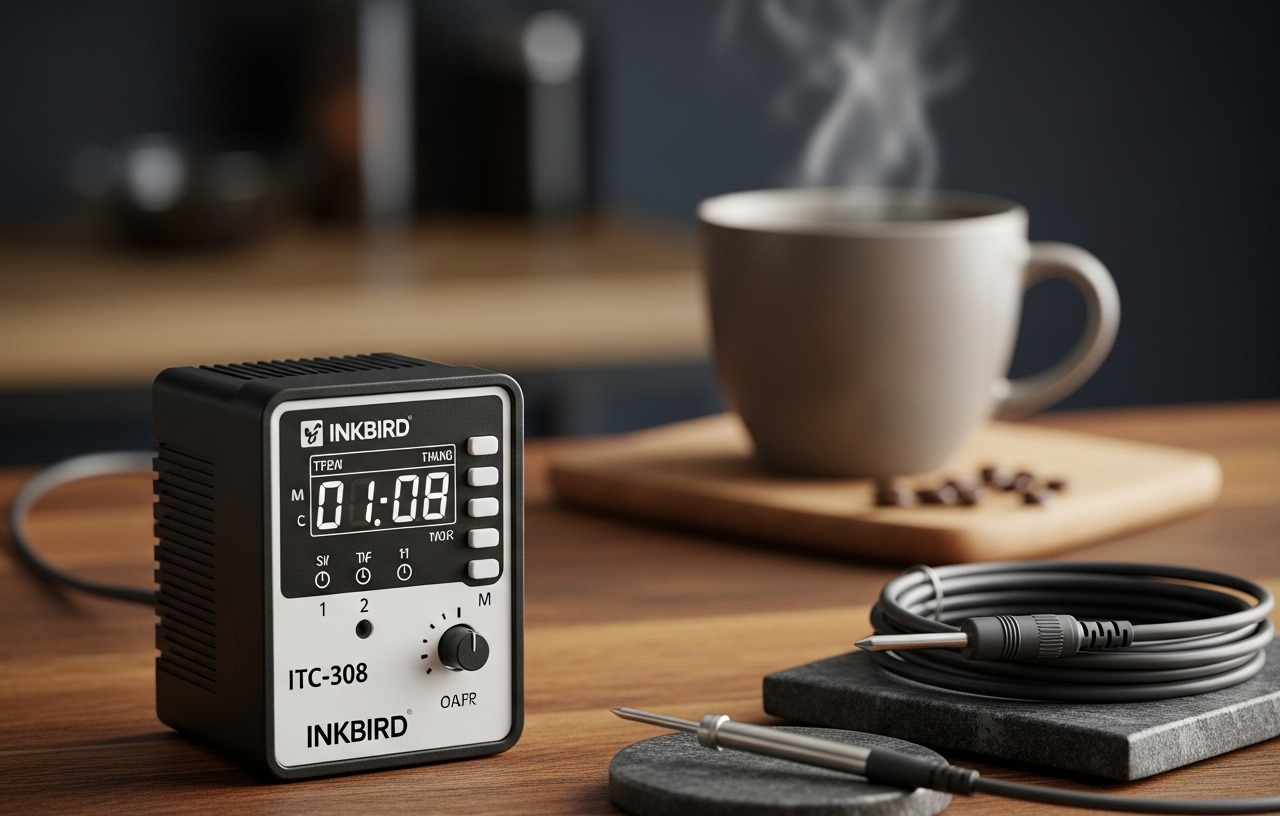
This transition is generally safe to perform. The yeast has already established a protective alcohol layer and CO2 blanket. For those using a fermentation temperature controller, monitoring and maintaining stable temperatures can also help regulate fermentation activity and krausen production, potentially making the transition smoother.
Safety and Sanitation Considerations
Sanitation cannot be overstressed in fermentation. Always ensure all equipment that comes into contact with your wort or must is thoroughly cleaned and sanitized. This includes the fermenter, stopper, tubing, sanitizer container, and the airlock if you switch back to one.
Safety Warnings:
- Pressure Buildup: Never seal a fermenter completely without an avenue for gas to escape. A blocked airlock or blow-off tube can lead to dangerous pressure buildup.
- Contamination Risk: Always keep the end of the blow-off tube submerged in sanitizer. If the sanitizer level drops, or the tube comes out, airborne contaminants can enter.
- Chemical Safety: When working with sanitizers like Star San or Iodophor, follow the manufacturer's instructions for dilution and use. Ensure good ventilation and wear gloves if necessary.
- Glass Carboy Handling: Glass carboys can be heavy and cumbersome. Handle them with care, especially when full or when inserting/removing stoppers. A slip can lead to breakage and injury. Consider a plastic fermenter if you are concerned about glass carboy safety.
By using a blow-off tube correctly, you significantly reduce the risk of a messy fermentation and potential contamination, making your brewing process more enjoyable and successful. It is a simple yet invaluable tool for managing the initial, high-energy phase of fermentation.
Twin Bubble Airlock Set [6 Pack], Brew Kits Airlocks for Fermenting,Fermentation Airlock with 6 Stoppers + 12 Grommets
- A More Complete Brewing Airlock Kit: If you need a fermenting airlocks that can be used for a long time.
- Improved High Transparency Bubble Airlock :Different than other normal S shape airlocks in the market,our.
- Improved Cap Easy On and OFF :This new type of dust cap has a zigzag design on the surface and will not.
- Reusable and Widely Application :These Bubble Airlock Sets are solid and reusable.They can lasts for a.
Bubble Airlock Set, 4 Airlocks for Fermenting, 4 Drilling #6 Stoppers and 8 Airlock Grommets, Used for Brewing Wine, Beer,
- Compared with other airlocks for fermenting, it is stronger, more transparent, and made of food-grade.
- The air lock can be used for various fermentation projects to preserve food. As a brewing airlock, craft.
- 4 fermentation airlocks, size: height 6.7 in/17 cm. 4 No. 6 fermentation stoppers, size: top diameter 1.3.
- The good airtightness of the fermentation airlock makes fermentation easier, effectively isolates the air.
FastRack 3-Piece Airlock Set for Fermentation (Set of 2) | Includes Transparent Airlocks and Drilled Rubber Stoppers to Hydrolocks
- WHAT'S INCLUDED: With this purchase, you'll receive a set os 2 transparent 3-piece airlocks and two.
- Insert the assembled airlock into the hole of the rubber stopper that fits your current jug or carboy.
- Airlocks enable CO2 to be released during fermentation and trap oxygen from entering the fermenter. The.
- FastRack bungs come with a pre-drilled hole in the center sized to fit all standard-sized airlocks. The.