Wild yeast fermentation harnesses naturally occurring microorganisms to convert sugars into alcohol and other compounds. This ancient practice, central to many traditional beverages, involves allowing local yeast strains and bacteria present in the environment to initiate fermentation. Unlike cultivated yeast, which is pitched directly into a wort or must, wild fermentation offers a unique, often unpredictable, flavor journey.
The History and Science of Wild Fermentation
Fermentation is one of the oldest food preservation and beverage production methods. Before Louis Pasteur's work in the 19th century, all fermentation was, by definition, wild. Early brewers and winemakers simply exposed their sugary liquids to the air, trusting nature to do its work. This reliance on ambient microbes shaped the distinct regional characteristics of traditional beers, ciders, and wines across the globe.
Scientifically, wild fermentation begins when a sugary solution, such as grape must or cooled wort, is exposed to the environment. Microorganisms like various yeast species (e.g., Saccharomyces, Brettanomyces) and bacteria (e.g., Lactobacillus, Pediococcus) colonize the liquid. These microbes consume sugars and produce alcohol, carbon dioxide, and a range of complex flavor compounds, including esters, phenols, and organic acids. The specific microbial population dictates the final product's character.
Key Microorganisms in Wild Fermentation
Several types of yeast and bacteria commonly participate in wild fermentations, each contributing distinct characteristics. Understanding these organisms helps predict and appreciate the outcomes.
Saccharomyces Species
While often associated with cultivated brewing yeast, various Saccharomyces species also exist in the wild. These yeasts are typically strong attenuators, meaning they efficiently convert sugars into ethanol and carbon dioxide. Wild Saccharomyces strains can contribute fruity esters and a clean, alcoholic profile, though their specific characteristics vary widely based on the strain and environment.
Brettanomyces (Brett) Yeast
Brettanomyces, often simply called Brett, is a genus of yeast known for its distinctive funky, leathery, horse blanket, or barnyard notes. It is a slow-acting yeast that can ferment complex sugars unfermentable by Saccharomyces, leading to very dry beers and wines. Brett often works in conjunction with other microbes, evolving the flavor profile over months or even years. Many Belgian Lambics and some farmhouse ales owe their character to Brett.
Lactobacillus Bacteria
Lactobacillus is a genus of lactic acid bacteria. These bacteria produce lactic acid, contributing a sour, tart, or tangy flavor. They are common in many fermented foods, including yogurt, sourdough bread, and pickles. In brewing, Lactobacillus strains are responsible for the sourness in Berliner Weisse, Gose, and some sour ales. They can be introduced through raw grains, fruit, or ambient air.
Pediococcus Bacteria
Another lactic acid bacterium, Pediococcus, also contributes sourness. It often produces a higher level of lactic acid than Lactobacillus, resulting in a more intense sour flavor. Pediococcus can also produce diacetyl, which tastes like buttered popcorn, but this compound often gets reabsorbed by Brettanomyces over time in mixed fermentations. These bacteria are particularly important in long-aged sour beers.
Benefits of Wild Yeast Fermentation
Choosing wild fermentation offers several advantages, especially for home brewers seeking unique results.
- Unique Flavor Profiles: Wild yeasts and bacteria produce a vast array of flavor compounds not typically found in conventional fermentations. This leads to complex, nuanced, and often highly distinctive beverages.
- Terroir Expression: Wild fermentation allows the specific microbial environment of a region, or even a particular home, to influence the final product. This creates a true sense of place, or 'terroir,' in the beverage.
- Educational Experience: Engaging in wild fermentation teaches brewers about microbial ecology, patience, and adaptability. It deepens understanding of the fermentation process itself.
- Cost Savings: There is no need to purchase commercial yeast strains, which can cost $5 to $15 per packet. The microbes are free.
Challenges and Risks
While rewarding, wild fermentation comes with its own set of challenges that brewers must consider.
- Unpredictability: The most significant challenge is the lack of control. The specific blend of microbes that colonizes the wort or must can vary, leading to inconsistent results batch to batch.
- Off-Flavors: Undesirable microbes can sometimes dominate, producing unpleasant flavors or aromas. These might include excessive acetic acid (vinegar), butyric acid (rancid butter), or other off-notes.
- Long Fermentation Times: Many wild yeast and bacterial strains work slowly. Fermentations can take weeks, months, or even years to fully mature, requiring significant patience.
- Sanitation Concerns: While embracing wild microbes, brewers still need to prevent truly harmful bacteria or excessive contamination that could spoil the batch. Proper cleaning of equipment is still essential, even if complete sterilization of the environment is not the goal. For guidance on cleaning, see How to Sanitize Brewing Equipment for Beer.
Practical Approaches for Home Brewers
Home brewers interested in wild fermentation can approach it in several ways, from fully open fermentation to more controlled methods.
Open Fermentation
This method involves exposing the wort or must directly to the air in an open vessel. Traditional Lambic production uses this technique, cooling wort in large, shallow coolships overnight to allow ambient microbes to inoculate the liquid. For home brewers, this can mean simply covering a fermentation vessel with a breathable cloth while it cools, or fermenting in an open bucket for the initial stages. The risk of unwanted contamination is higher with this method, but it offers the purest expression of local terroir.
Foraging for Wild Yeast
Brewers can actively capture wild yeast from local fruit, flowers, or even the air using a yeast starter. This involves placing a small amount of sugary liquid (like diluted wort or fruit juice) in a sanitized jar with a piece of fruit or flower, covering it lightly, and allowing it to ferment. Once active, this starter can be pitched into a larger batch. This provides some control over the initial microbial population.
Using a Solera System
A solera system involves blending aged batches of beer or wine with younger ones. This method, common in sherry production, creates a continuous, evolving culture of wild microbes. For home brewers, this can be done with a continuous brew vessel or a series of carboys. Periodically, a portion of the aged fermented liquid is removed for bottling, and fresh wort or must is added to replenish the vessel. This approach stabilizes the microbial community over time, leading to more consistent results while maintaining a wild character.
Controlled Blending and Pitching
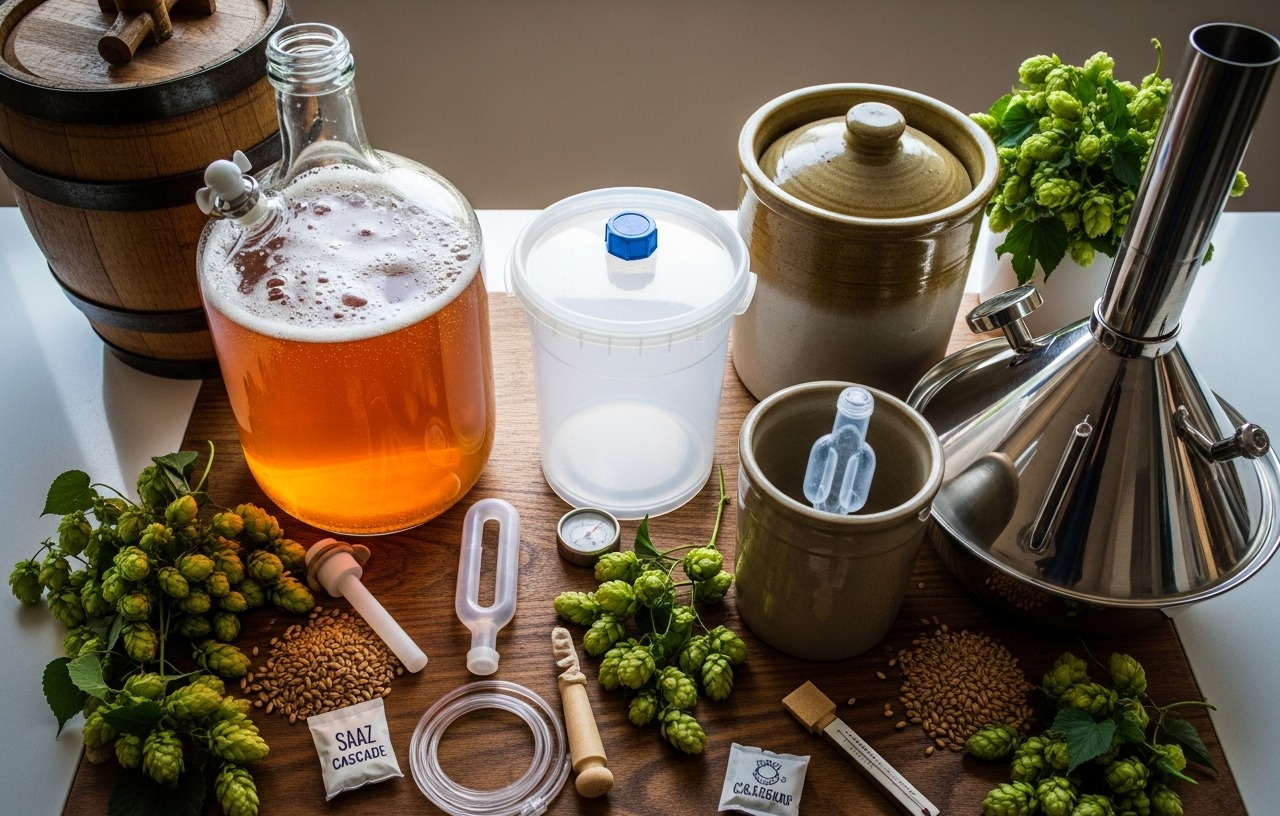
Some brewers combine wild fermentation with cultivated strains. For instance, they might pitch a known Saccharomyces strain for primary fermentation, then introduce a wild culture or specific Brettanomyces or Lactobacillus strain for secondary fermentation. This offers a middle ground, providing some control over the initial fermentation while still allowing for wild characteristics to develop. Fermentation vessels for these processes can vary, but glass options provide good visibility. Learn more about Best Fermentation Vessels for Beer: Glass Options Reviewed.
Temperature and Time Considerations
Temperature plays a significant role in wild fermentation. Different microbes thrive at various temperatures, influencing their activity and the flavors they produce. For example, Lactobacillus generally prefers warmer temperatures, often between 80-100°F (27-38°C), for rapid souring. Brettanomyces, on the other hand, performs well at typical ale fermentation temperatures, 65-75°F (18-24°C), but its full character often develops slowly over many months.
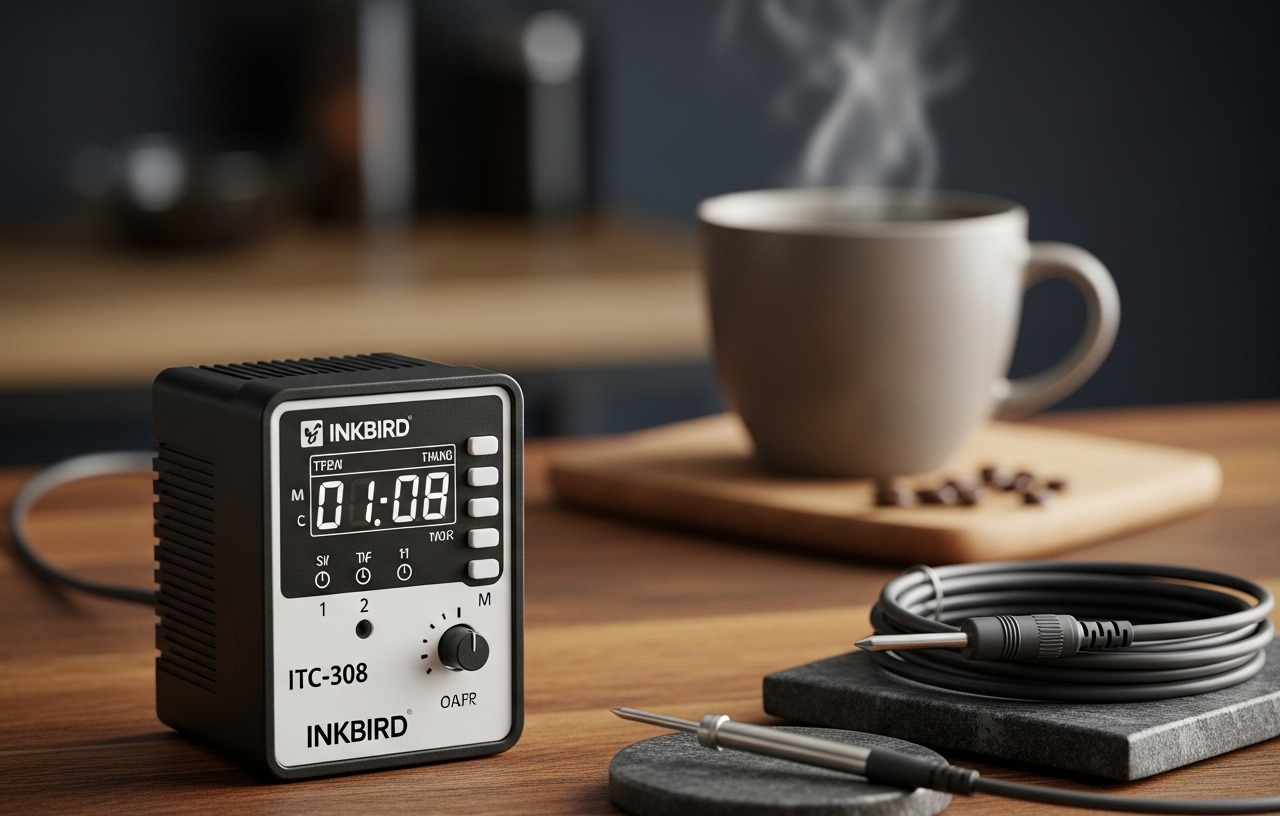
Controlling fermentation temperature, even in wild settings, can guide the microbial activity. A good fermentation temperature controller, such as those reviewed in Best Fermentation Temperature Controllers, can help maintain specific ranges. Wild fermentations rarely complete quickly. Expect primary fermentation to last several weeks, with secondary conditioning and flavor development potentially extending for six months to two years or more. The goal is not to eliminate all microbes, but to prevent the growth of truly undesirable bacteria and molds that can produce off-flavors or even render the beverage unsafe. All equipment that touches the unfermented wort or must, or the finished product, should be thoroughly cleaned and sanitized. This includes fermentation vessels, airlocks, siphons, and bottling equipment. A clean environment helps guide the wild fermentation towards desirable outcomes rather than outright spoilage. A basic sanitizing solution like Star San costs about $15 for a 32 oz bottle, which makes hundreds of gallons of sanitizer. A good alkaline cleaner like PBW costs about $20 for a 1 lb jar.
Blending and Aging Wild Fermentations
Many traditional wild-fermented beverages, especially sour beers and natural wines, are the result of blending different batches. Brewers might blend a highly sour batch with a less sour, more fruity batch to achieve a balanced flavor. Aging is also critical. The complex flavor compounds produced by wild yeasts and bacteria often require extended periods to mellow, integrate, and develop their full character. Storing wild-fermented beverages in appropriate vessels, often glass carboys or stainless steel fermenters, in a stable temperature environment, is essential for successful aging.
Wild yeast fermentation is a journey into the origins of brewing, offering a chance to create truly unique and complex beverages. It requires an understanding of microbial interactions, a commitment to patience, and a willingness to embrace the unpredictable. For the adventurous home brewer, the rewards are often profound and deeply satisfying.