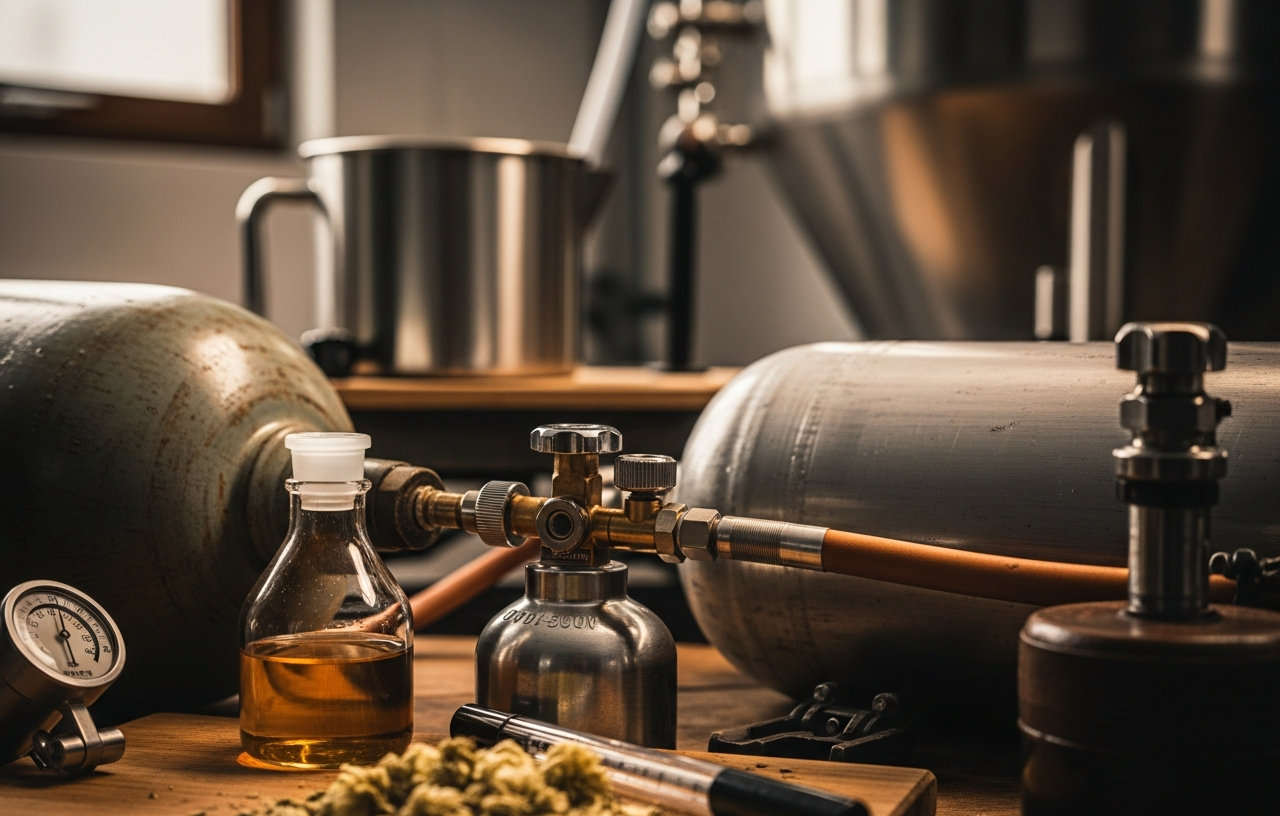
Refilling a CO2 tank for your homebrew setup typically costs between $15 and $40 for a standard 5-pound tank, or $25 to $60 for a 10-pound tank, depending on your location and the supplier. These costs are for the gas itself. Homebrewers use CO2 tanks to force carbonate beer, stout, or kombucha and to dispense beverages from kegs. A reliable CO2 supply keeps your draft system running smoothly, providing perfectly carbonated drinks straight from your kegerator.
Understanding CO2 Tank Refill Options and Costs
There are two primary methods for getting CO2: a direct refill or a tank exchange. Each has its own cost implications and benefits.
Direct Refill
A direct refill means you drop off your empty tank and wait for it to be filled with new CO2. This method ensures you keep your specific tank, which is beneficial if you have a new, well maintained, or aesthetically pleasing tank. The cost for a direct refill is usually lower than an exchange because the supplier does not need to manage a fleet of tanks for swapping.
- 5-pound tank: $15 to $30
- 10-pound tank: $25 to $45
- 20-pound tank: $35 to $60
Waiting times vary. Some places can fill on the spot, while others may require you to leave your tank for a few hours or even a day.
Tank Exchange
A tank exchange involves trading your empty CO2 tank for a full one. This is often the quickest option, as you walk in with an empty tank and leave immediately with a full one. However, you will receive a different tank than the one you brought in. Exchange tanks are typically older, possibly scratched, or have different certification dates. The cost for an exchange is usually slightly higher, reflecting the supplier's overhead for tank maintenance and inspection.
- 5-pound tank: $20 to $40
- 10-pound tank: $30 to $60
- 20-pound tank: $40 to $75
This option is popular for its convenience, especially for homebrewers who want to get back to serving their brews quickly.
Where to Find CO2 Refills and Their Price Ranges
The type of vendor you choose significantly impacts the price you pay for CO2.
Welding Supply Stores
Welding supply stores are often the most economical choice for CO2 refills. They handle industrial quantities of various gases and typically offer direct refills. They are equipped to handle hydrostatic testing requirements for tanks. These stores usually have knowledgeable staff who can answer questions about tank safety and maintenance.
- 5-pound tank: $15 to $25
- 10-pound tank: $25 to $35
- 20-pound tank: $35 to $50
These businesses often provide the best value per pound of CO2.
Fire Extinguisher Service Companies
Many companies that service fire extinguishers also refill CO2 tanks. They have the necessary equipment for high-pressure gas handling and often offer competitive pricing. They are accustomed to inspecting tanks for safety and may offer hydrostatic testing services.
- 5-pound tank: $18 to $30
- 10-pound tank: $28 to $45
- 20-pound tank: $38 to $60
Their expertise in safety makes them a reliable choice.
Homebrew Supply Stores
Local homebrew shops cater specifically to the homebrewing community. They understand the needs of hobbyists and often provide refills or exchanges as a convenient service. While sometimes slightly more expensive than industrial suppliers, the convenience and specialized knowledge can be worth the extra cost. They may also offer advice on CO2 regulators and other kegging equipment.
- 5-pound tank: $20 to $35
- 10-pound tank: $30 to $50
- 20-pound tank: $40 to $65
Supporting your local homebrew shop also fosters the community.
Paintball and Airsoft Fields
Some paintball or airsoft fields offer CO2 refills for their equipment. They might also refill homebrew tanks. These locations can sometimes be a quick option, but their prices may vary widely, and they might only handle smaller tanks or have less rigorous inspection processes.
- 5-pound tank: $20 to $40
- 10-pound tank: $30 to $55 (if available)
It is best to call ahead to confirm they refill tanks of your size and type.
Related Costs and When a Technician is Needed
While the CO2 tank itself rarely requires repair, other components of your draft system can fail. The CO2 regulator is a critical part that controls the pressure from the tank to your kegs. If your system shows inconsistent pressure, leaks, or fails to dispense, the regulator might be the culprit. A malfunctioning regulator can lead to flat beer, over-carbonation, or wasted CO2.
Cost of a New CO2 Regulator
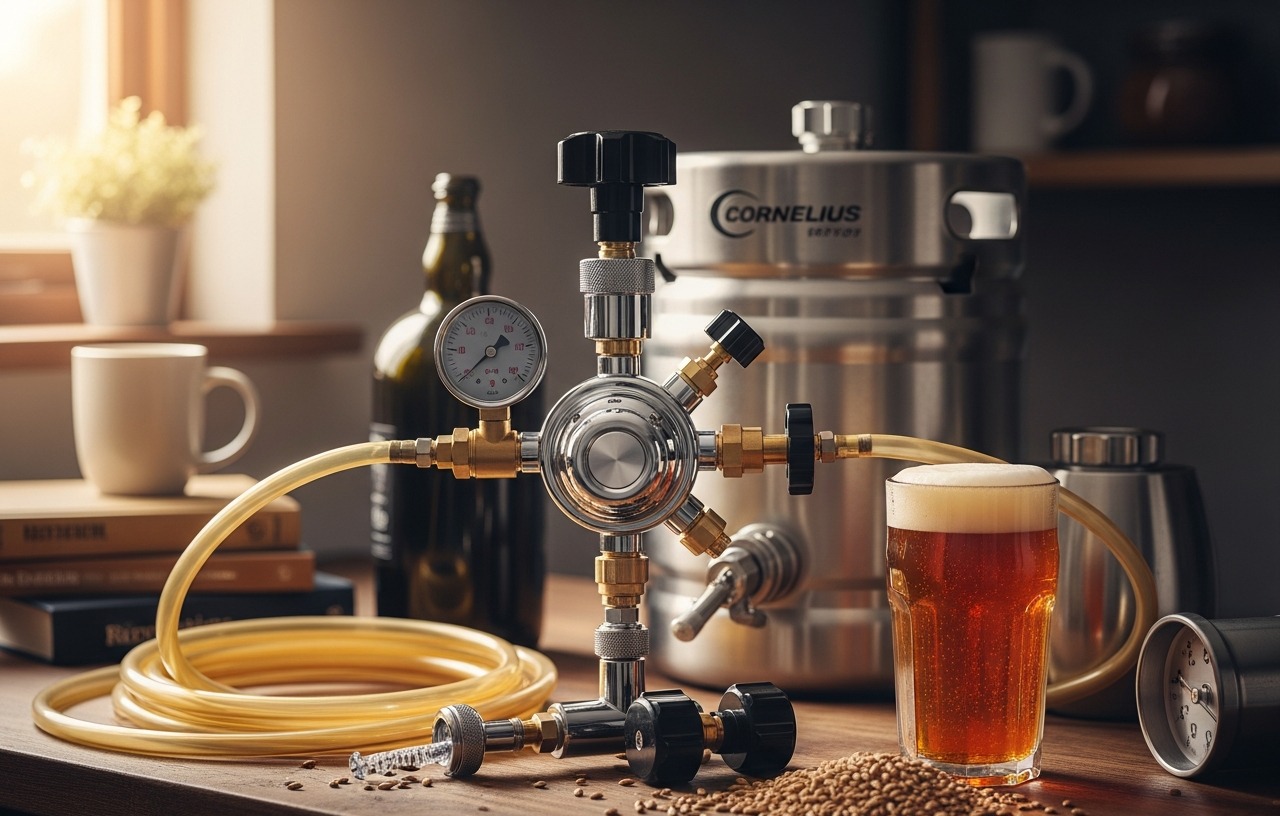
A new homebrew CO2 regulator can cost anywhere from $40 for a basic single-gauge model to $150 for a dual-gauge or premium model with advanced features. Choosing a quality regulator is an investment in consistent carbonation and dispensing. Many homebrewers opt for models that allow precise pressure adjustments for different styles of beer or for serving multiple 5-gallon ball lock kegs at different pressures.
When to Call a Technician for Regulator Issues
Replacing a CO2 regulator is a relatively simple DIY task for most homebrewers. It involves unscrewing the old regulator from the tank and screwing on the new one, making sure to use a CO2 washer for a proper seal. However, if you are uncomfortable working with pressurized gas or suspect a more complex issue with your draft system, a professional technician can help.
A service call from a refrigeration or draft system technician typically costs $80-$150 just for them to come out. Labor rates range from $75-$120 per hour. Replacing a regulator might take an experienced technician 30 minutes to an hour. This means a professional repair could cost:
- Service call fee: $80-$150
- Labor (0.5 to 1 hour): $37.50-$120
- Total labor cost (excluding part): $117.50-$270
Adding the cost of a new regulator ($40-$150) to the technician's fees, a professional regulator replacement could total $157.50 to $420. This makes a strong case for attempting the regulator replacement yourself, if you feel capable.
Factors Influencing CO2 Refill Costs
Several specific conditions can alter the price you pay for CO2:
Tank Size
Larger tanks, like 10-pound or 20-pound cylinders, offer a better value per pound of CO2. While the initial refill cost is higher, the cost per pound is lower than for a 5-pound tank. This means fewer trips to the supplier over time. A 5-pound tank might cost $4-$6 per pound, while a 20-pound tank might be $2-$3 per pound.
Hydrostatic Testing Requirements
CO2 tanks must undergo hydrostatic testing every five years to ensure they are safe for holding high-pressure gas. This test involves pressurizing the tank with water to check for structural integrity. If your tank's certification date has expired, the supplier will require it to be tested before refilling. The cost for hydrostatic testing can range from $30 to $60. This cost is separate from the refill price. Some exchange services will simply swap out an expired tank for a certified one, which is convenient but might mean losing your newer tank.
Regional Price Differences
Prices for CO2 can vary significantly by geographic region. Urban areas with more competition among suppliers might offer slightly lower prices than rural areas with fewer options. Taxes and local regulations can also play a role.
Supplier Type and Business Model
As detailed earlier, different types of businesses have different pricing strategies. Industrial gas suppliers often have the lowest prices due to their volume, while specialty shops might charge more for convenience and expert advice. Some suppliers may offer loyalty programs or discounts for frequent customers.
Maximizing Value for Your Homebrew CO2
To save money on CO2 refills, consider these strategies:
- Buy a larger tank: If you brew frequently or have multiple kegs, a 10-pound or 20-pound tank will be more cost effective in the long run. The initial investment is higher, but the per-pound cost of CO2 is lower.
- Shop around: Call different welding supply stores, fire extinguisher services, and homebrew shops in your area to compare prices. Prices can change, so checking periodically is a good idea.
- Keep an eye on certification dates: Knowing when your tank's hydrostatic test is due helps you plan for that expense. Some homebrewers opt for exchange services specifically to avoid the hassle and cost of managing hydrostatic testing for their own tanks.
- Maintain your system: Regularly check your CO2 lines, connections, and regulator for leaks. Even small leaks can waste significant amounts of CO2 over time, leading to more frequent and costly refills. Use a spray bottle with soapy water on all connections to easily spot bubbles indicating a leak.
Understanding the costs involved in refilling your CO2 tank helps you budget for your homebrewing hobby. Whether you choose a direct refill for your own tank or the convenience of an exchange, knowing the options and average prices ensures you always have carbonated beer on tap.