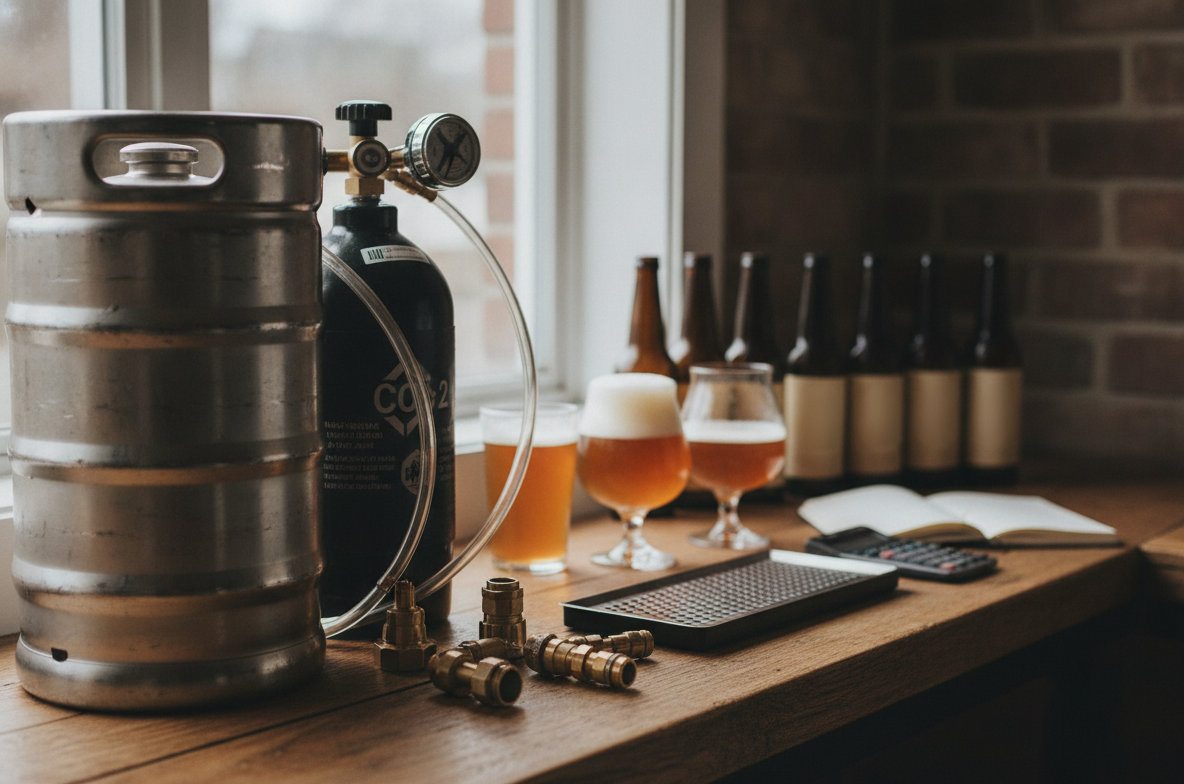
This wide range reflects choices in new versus used equipment, the number of kegs, and the level of convenience desired. Understanding these costs helps homebrewers plan their budget and build a system that meets their needs without overspending.
Understanding the Essential Components
Every functional kegging system requires several core components. The quality and newness of each part significantly influence the overall cost. Brewers must consider these items when planning their setup.
CO2 Tank
The CO2 tank stores the compressed carbon dioxide necessary to carbonate and dispense beer. Tanks come in various sizes, measured in pounds (e.g., 5 lb, 10 lb, 20 lb). A 5 lb tank is a common starting point for homebrewers, offering a good balance of capacity and portability.
- New 5 lb CO2 tank (empty): $70 - $120
- Used 5 lb CO2 tank (requires hydro testing): $30 - $60 (plus $20-$40 for hydro testing)
Refilling a 5 lb CO2 tank costs approximately $15-$30, depending on the location and supplier. The initial purchase is the main expense here.
CO2 Regulator
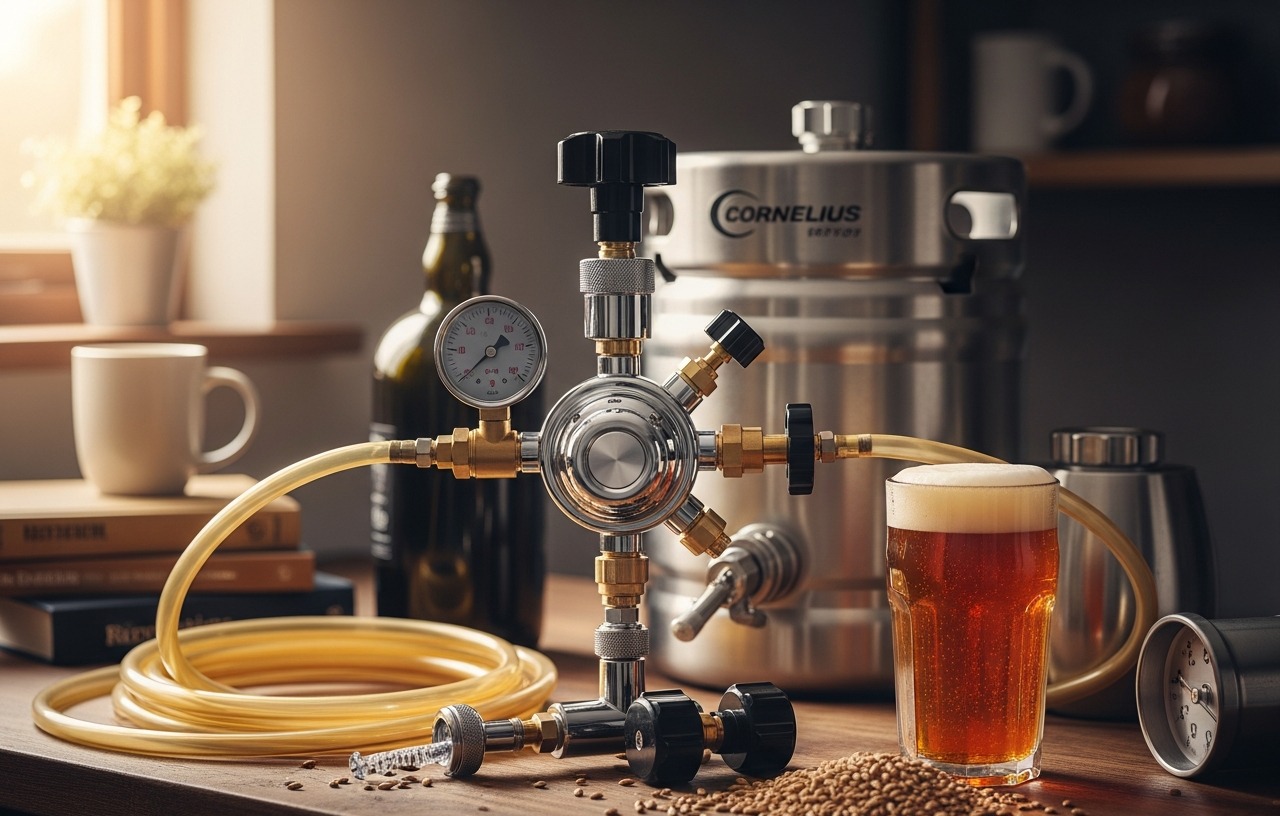
A CO2 regulator attaches to the CO2 tank and controls the pressure delivered to the kegs. Single-gauge regulators show only the tank pressure, while dual-gauge regulators display both tank pressure and the output pressure to the keg. Dual-gauge models offer more control and are generally preferred.
- Basic single-gauge regulator: $40 - $70
- Dual-gauge regulator: $60 - $120
- Dual-output regulator (for multiple kegs at different pressures): $100 - $200
A reliable regulator is a critical investment. Cheap regulators can fail or leak, leading to wasted CO2. For more information on selecting a good regulator, see our article on the .
Kegs (Corny Kegs)
Most homebrewers use Cornelius (Corny) kegs, which were originally designed for soda syrup. They are easy to clean, fill, and maintain. They come in two main types: ball lock and pin lock, referring to their gas and liquid post connection types. Ball lock kegs are more common and generally preferred due to their pressure relief valves and easier access.
- Used 5-gallon ball lock keg: $40 - $80 (often requires new O-rings and cleaning)
- New 5-gallon ball lock keg: $80 - $150
- New 5-gallon pin lock keg: $70 - $130
Purchasing used kegs can save money, but always make sure they hold pressure and are in good condition. New kegs offer immediate reliability. For detailed recommendations, consult our guide to the .
Gas and Beer Lines, Disconnects, and Faucets
These components connect the CO2 tank to the keg and the keg to the dispensing faucet. They are essential for a complete system.
- Gas and liquid disconnects (ball lock or pin lock): $10 - $20 per set
- Food-grade tubing (gas and beer lines): $1 - $3 per foot (usually 10-20 feet needed)
- Hose clamps: $5 - $10 for a pack
- Picnic tap (plastic faucet): $5 - $15
- Chrome-plated brass faucet (standard): $25 - $40
- Stainless steel faucet (e.g., Perlick style): $40 - $80
- Faucet shank (for mounting through a wall or fridge door): $20 - $50
Budget-Friendly Kegging: Getting Started for Under $300
A basic, functional kegging system allows a homebrewer to carbonate and dispense one 5-gallon batch of beer. This setup is ideal for those testing the waters of kegging without a large initial investment.
Component Breakdown for a Budget System:
- Used 5 lb CO2 tank: $40 (plus $30 for hydro testing) = $70
- Basic single-gauge CO2 regulator: $50
- Used 5-gallon ball lock keg: $50 (plus $10 for new O-rings) = $60
- Ball lock disconnects (gas and liquid): $25
- Food-grade tubing (15 ft): $25
- Hose clamps: $5
- Picnic tap: $10
Total Estimated Cost: $295
This budget setup gets beer into a glass quickly. It prioritizes functionality over aesthetics or advanced features. Many brewers start here and gradually upgrade components as their needs evolve.
Mid-Range Kegging: Upgrades and Convenience for $300-$700
A mid-range system offers improved quality, durability, and convenience. This often means buying newer components, upgrading to better faucets, and potentially adding a second keg for simultaneous serving.
Component Breakdown for a Mid-Range System (Single Keg):
- New 5 lb CO2 tank: $90
- Dual-gauge CO2 regulator: $80
- New 5-gallon ball lock keg: $100
- Ball lock disconnects: $30
- Food-grade tubing and clamps: $30
- Stainless steel faucet (Perlick style): $50
- Faucet shank: $30
Total Estimated Cost: $410
Mid-Range System (Two Kegs with Basic Kegerator):
Many brewers eventually want to serve two different beers. This requires a second keg and often a dedicated cooling solution, like a converted chest freezer or mini-fridge. The cost of the refrigerator is the main variable here.
- New 5 lb CO2 tank: $90
- Dual-output CO2 regulator or CO2 manifold: $120
- Two new 5-gallon ball lock kegs: $200 ($100 each)
- Two sets of ball lock disconnects: $60
- Food-grade tubing and clamps: $40
- Two stainless steel faucets: $100 ($50 each)
- Two faucet shanks: $60
- Used chest freezer or mini-fridge: $100 - $300
- Basic temperature controller (e.g., Inkbird ITC-308): $40
Total Estimated Cost: $810 - $1010
This mid-range option provides a significant step up in convenience and quality. The addition of a temperature-controlled fridge makes a big difference for serving beer at optimal temperatures. The Inkbird ITC-308 is a popular and reliable choice for this purpose.
Premium Kegging: Full Kegerator Integration for $700-$1500+
A premium kegging system often involves a dedicated kegerator (either built from scratch or a pre-made unit), multiple taps, and advanced features. This level offers the ultimate in home draft beer convenience and presentation.
Component Breakdown for a Premium System (Two-Tap Kegerator):
- New 10 lb CO2 tank: $120
- high quality dual-output CO2 regulator with built-in manifold: $180
- Two new premium 5-gallon ball lock kegs: $260 ($130 each)
- Two sets of premium ball lock disconnects: $70
- Food-grade barrier tubing and high quality clamps: $50
- Two premium stainless steel flow-control faucets: $160 ($80 each)
- Two long faucet shanks with tailpieces and nuts: $100
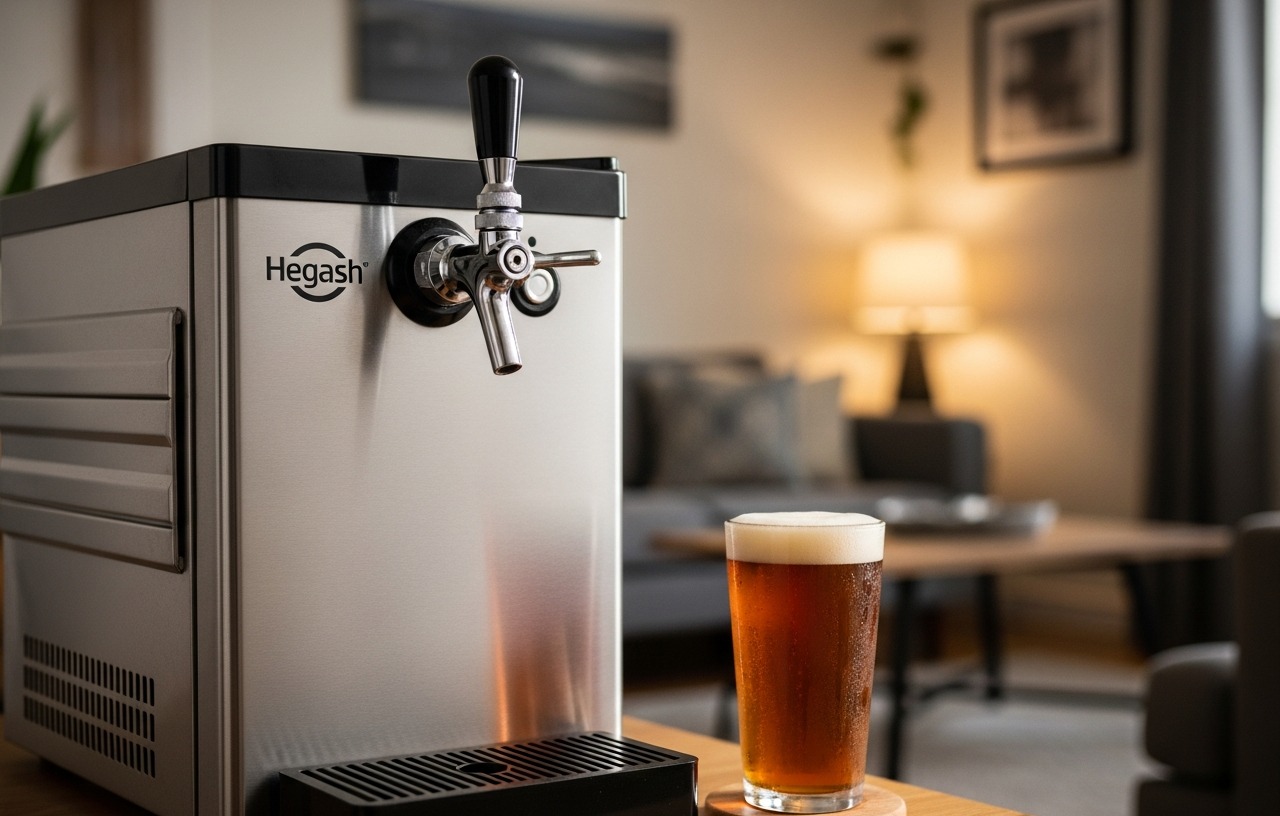
- Dedicated Kegerator (built-in or converted new fridge): $400 - $1000+
- Drip tray: $30 - $80
- Advanced temperature controller: $60 - $100
Total Estimated Cost: $1,430 - $2,120+
The cost here is highly variable based on the kegerator itself. A ready-made kegerator can cost $600-$1,500 or more. Building one from a new fridge and a kegerator conversion kit offers more customization but still requires a substantial investment in the appliance itself. For a detailed guide on kegerator costs, review our Kegerator Cost Breakdown article.
Ongoing Costs of a Kegging System
Beyond the initial setup, a kegging system has recurring expenses. These are generally minor but important to factor into the overall budget.
CO2 Refills
The frequency of CO2 refills depends on the tank size, how often you carbonate, and how many kegs you dispense. A 5 lb tank can carbonate and dispense 5-10 batches of beer. Refills cost $15-$30. Having a spare tank can prevent interruptions.
Cleaning Supplies
Proper cleaning and sanitization are vital for good beer. This includes buying cleaning solutions like PBW (Powdered Brewery Wash) and sanitizers like Star San. A bottle of each typically costs $15-$25 and lasts for many batches. clean brewing equipment.
Replacement Parts
O-rings, disconnect gaskets, and beer lines wear out over time. It is wise to have spare O-rings for kegs and disconnects. Replacing beer lines annually helps prevent off-flavors and ensures hygiene. These parts are inexpensive, usually a few dollars each.
DIY Savings vs. Kit Convenience
Homebrewers have two main approaches to acquiring a kegging system: buying individual components or purchasing a complete kit. Both have financial implications.
Buying Individual Components (DIY)
This approach often offers the greatest potential for cost savings and customization. By sourcing used kegs, finding deals on CO2 tanks, and selecting specific regulators and faucets, brewers can build a system tailored to their budget and preferences. It requires more research and time to assemble, but the knowledge gained is invaluable.
For example, a brewer might find a used 5 lb CO2 tank and a used keg for $100 total, saving significantly compared to new prices. They can then spend more on a quality regulator or faucet. This method allows you to upgrade parts incrementally, spreading the cost over time.
Purchasing a Complete Kit
Many homebrew supply stores offer complete kegging kits that include all the necessary components for a single-keg or multi-keg setup. These kits provide convenience, as everything is designed to work together and arrives in one package. They are excellent for beginners who want to get started quickly without researching every component.
However, kits sometimes carry a slight premium for this convenience. The components may not be the absolute cheapest options available, or they might include a basic faucet that a brewer eventually wants to upgrade. A basic single-keg kit typically costs $300-$500, depending on the included parts and quality.
Making the Choice
For those comfortable with some assembly and research, buying individual components usually makes more financial sense. It provides flexibility and allows for a more personalized system. If time is a factor and a brewer prefers a ready-to-go solution, a kit is a good option. The risk of incompatible parts is also lower with a kit.
When to Upgrade and When to Stick to Basics
Deciding when to invest more in a kegging system depends on a brewer's commitment to the hobby, batch frequency, and desired level of convenience.
Starting with a budget setup is smart for new keggers. This allows them to learn the process, identify their specific needs, and confirm that kegging is the right path for them. Many brewers find a single keg and picnic tap perfectly sufficient for their needs.
Upgrading becomes worthwhile when a brewer wants to serve multiple beers, demands better temperature control, or desires the aesthetics of a dedicated draft system. Investing in a dual-gauge regulator, stainless steel faucets, or a kegerator conversion kit improves the overall experience. These upgrades enhance both the quality of the beer served and the ease of use.
For those who brew frequently or host gatherings, a multi-tap kegerator system provides significant convenience. The ability to have several different beverages on tap, all perfectly carbonated and chilled, is a major draw. This level of investment justifies itself through consistent use and enjoyment.
Conclusion
Key factors influencing this range include the choice between new or used equipment, the number of kegs, and the quality of components like regulators and faucets. DIY sourcing of individual parts often yields the best value and customization. Complete kits offer convenience at a slightly higher price point. Brewers can start small and upgrade over time, building a system that perfectly fits their brewing lifestyle and budget.