
Draft Beer Faucet Beer Line Shank Kit Kegerator Parts Beer Tower Dispenser Replacement Set Self-Closing Beer Tap Wrench I.D.3/16”
- Build A Kegerator Dispenser: This kegerator replacement parts kit includes a standard self-closing beer.
- SS304 Core Self-Closing Beer Tap Faucet: The Kegerator parts contain a stainless steel spring for.
- 5 ft Beer Line Tubing and G5/8 Hex Nut Coupler Fitting: 5 foot 3/16" I.D. beer tubing was long enough to.
- Tight Connection and No Leak No Loose: Kegerator tap have standard threads for a tight connection to the.

Kegconnection Kegerator Beer Line Cleaning Kit - Easy and Safe to Use Keg Cleaner - with Brew Clean Solution and More
- This home kegerator and brewery machine cleaner kit has every tool you'll need that fit your kegs and easy.
- This keg cleaning kit has everything you need to clean your taps system. This beer line cleaner set has 8.
- Our keg line cleaning kit is very easy to use to clean your beer kegerator dispenser line. The cleaning.
- Made specially for cleaning your kegerators beer lines, this cleaning equipment and solution kit is safe.

BACOENG 1-Tap Kegerator Kit, Complete Beer Tap Kit for Refrigerator with Stainless Steel Tap Probe and Hose & Parts, Keg Tap Kit
- 1. DUAL GAUGE REGULATOR: This unit weighs about 3 pounds and includes 2 rubber protective covers. It.
- 2. HANDLE D-SYSTEM KEG COUPLER: D-System Keg Coupler features a sturdy nickel-plated forged brass body.
- 3. CHROME BEER FAUCET WITH BRASS LEVER: Featuring a forged brass body and highly polished chrome finish.
- 4. METAL BEER FAUCET WRENCH: This beer faucet spanner wrench is an essential tool that allows you to.
A sputtering pour or no beer at all from your kegerator usually points to a few common problems. These issues range from simple adjustments to part replacements. A systematic approach helps diagnose and fix the problem efficiently, preventing wasted beer and frustration. Most problems can be solved with basic tools and some patience.
This article will guide you through the most likely culprits behind a kegerator not dispensing beer, starting with the most frequent issues. You will learn how to check your CO2 system, inspect your beer lines, and troubleshoot other components. Knowing when to call a professional can also save time and expense.
No CO2 Pressure or Supply Issues
The most common reason a kegerator stops dispensing beer is a problem with the CO2 supply. Beer requires constant pressure to push it from the keg through the lines and out the faucet. Without adequate CO2, the beer simply will not move.
Check the CO2 Tank
First, inspect your CO2 tank. Is it empty? The easiest way to tell is by checking the high-pressure gauge on your regulator. If it reads zero, the tank is empty. A typical 5-pound CO2 tank can last for several kegs, but usage varies. Replacing or refilling an empty tank costs around $15 to $30 at a local gas supply or homebrew store. Always have a spare tank if possible.
Inspect the CO2 Regulator
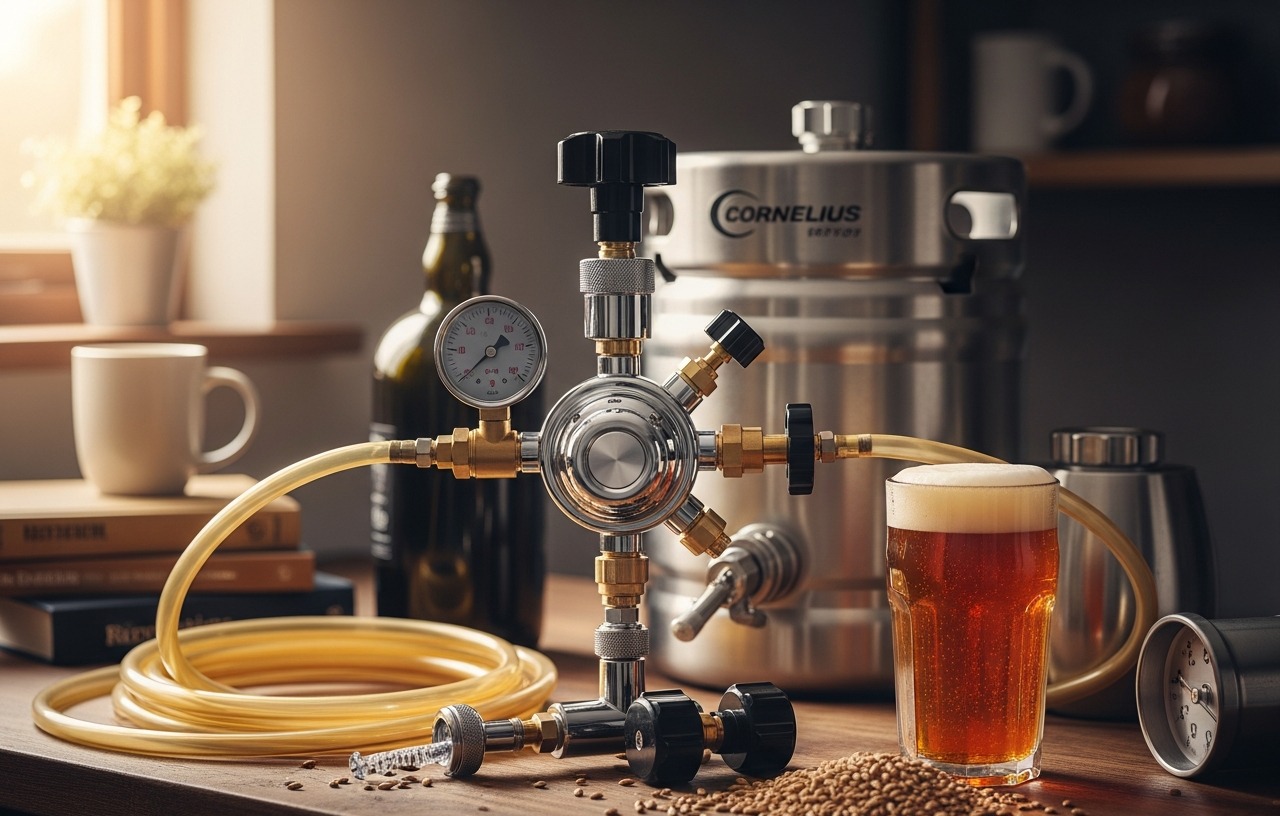
Even with a full tank, the regulator might be faulty. The low-pressure gauge on your regulator shows the pressure being applied to the keg. This should be set between 10-15 PSI for most beers. If this gauge reads zero, or if adjusting the pressure knob has no effect, your regulator might be broken. Ensure the shut-off valve on the regulator is open. A faulty regulator can prevent CO2 from reaching the keg. The BACOENG 1-Tap Kegerator Kit, for example, includes a dual gauge regulator with protective covers, which helps monitor both tank and keg pressure effectively.
Look for CO2 Leaks
Even a small leak in your CO2 system can quickly deplete a tank and lead to dispensing problems. Check all connections: the tank to regulator, regulator to coupler, and any other fittings. Apply a solution of soapy water (dish soap and water) to all connections. Bubbles indicate a leak. Tighten any loose connections. You may need new washers or O-rings for a proper seal. Leaks often occur at the washer between the regulator and the CO2 tank.
Clogged or Kinked Beer Lines
Once you confirm the CO2 system works, the next most likely culprit is an issue with the beer line itself. Blockages or physical obstructions will stop beer flow.
Clean the Beer Lines
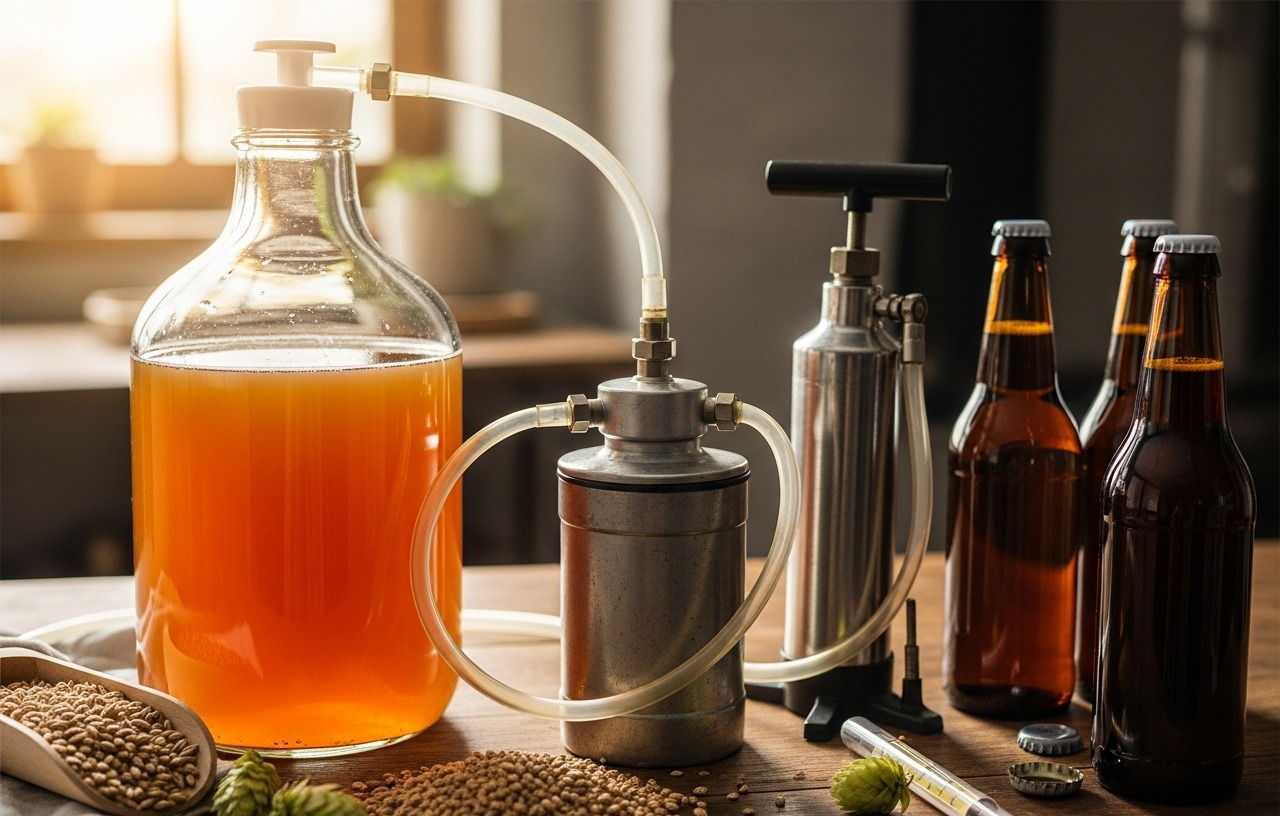
Beer lines can accumulate yeast, beer stone, and other deposits over time. This buildup narrows the line, restricting flow and eventually causing a complete blockage. Regular cleaning is essential for both hygiene and proper function. If your beer flow has gradually diminished, a clogged line is highly probable. A thorough cleaning with a dedicated beer line cleaning kit can resolve this. The Kegconnection Kegerator Beer Line Cleaning Kit provides all the necessary tools and solutions for this task. It includes brew clean solution and various fittings to fit your kegs and clean your taps system.
You should clean your beer lines every two weeks or after every keg, whichever comes first. For more information on maintaining brewing hygiene, see our article on How to Sanitize Brewing Equipment for Beer.
Check for Kinks
A kinked beer line is a simple problem with a simple fix. Inside the kegerator, the beer line can get pinched or bent, especially if it is tightly coiled or pressed against the keg or cabinet wall. Inspect the entire length of the beer line from the coupler to the faucet. Straighten any kinks you find. Sometimes, simply repositioning the keg or the line can solve this issue.
Keg Coupler Problems
The keg coupler connects the CO2 line and the beer line to the keg. If it is not seated correctly or is faulty, beer will not dispense.
Ensure Proper Coupler Connection
Make sure the coupler is fully engaged with the keg. Lift the coupler handle, align it with the keg valve, push down, and then pull the handle out and down to lock it into place. You should feel it firmly lock. If it feels loose or wobbly, it may not be properly seated. Ensure the CO2 and beer lines are securely attached to the coupler. The BACOENG 1-Tap Kegerator Kit features a D-System Keg Coupler with a nickel-plated forged brass body, designed for a sturdy connection.
Check for a Faulty Coupler
Over time, the internal components of a coupler, such as O-rings or springs, can wear out. A faulty coupler might leak CO2 or prevent beer from flowing. If you suspect the coupler is the problem and all other checks fail, consider replacing it. Couplers are generally robust, but wear can happen, especially with frequent use or improper handling.
Improper Temperature
While not a direct cause of a complete lack of dispensing, an incorrect temperature can severely affect how beer pours, often leading to excessive foam or very slow flow.
Verify Kegerator Temperature
Beer should be served at its ideal temperature, typically between 38-42°F (3-5°C). If the kegerator is too warm, the CO2 will come out of solution, causing excessive foaming and making it difficult to get a decent pour. If it is too cold, the beer can become sluggish, almost freezing, which also hinders dispensing. Use a thermometer to verify the internal temperature of your kegerator. Adjust the thermostat as needed. A stable temperature is vital for good draft beer. For those building a system, our article on Best Kegerator Conversion Kits offers insights into maintaining optimal conditions.
Faucet and Shank Issues
The final point of dispense is the faucet, and problems here can stop beer from flowing.
Clean or Replace the Faucet
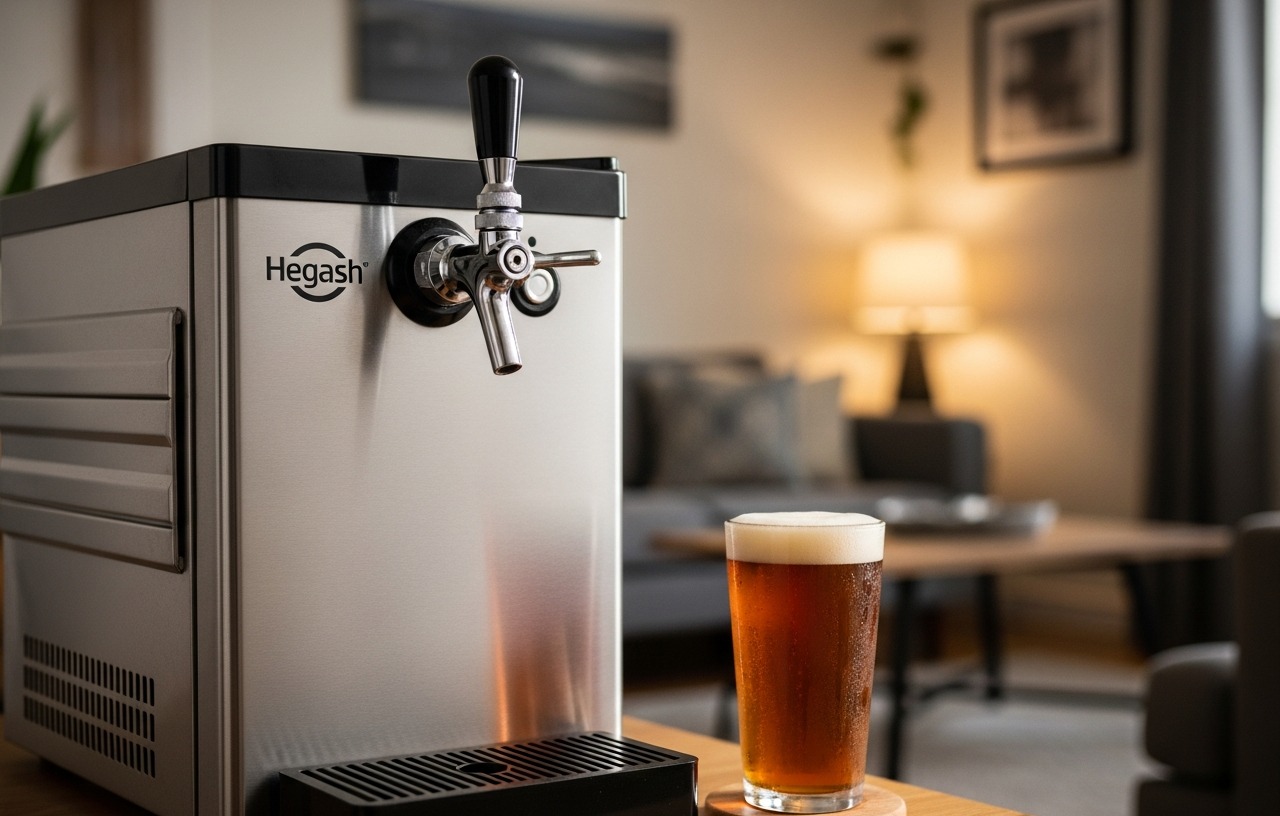
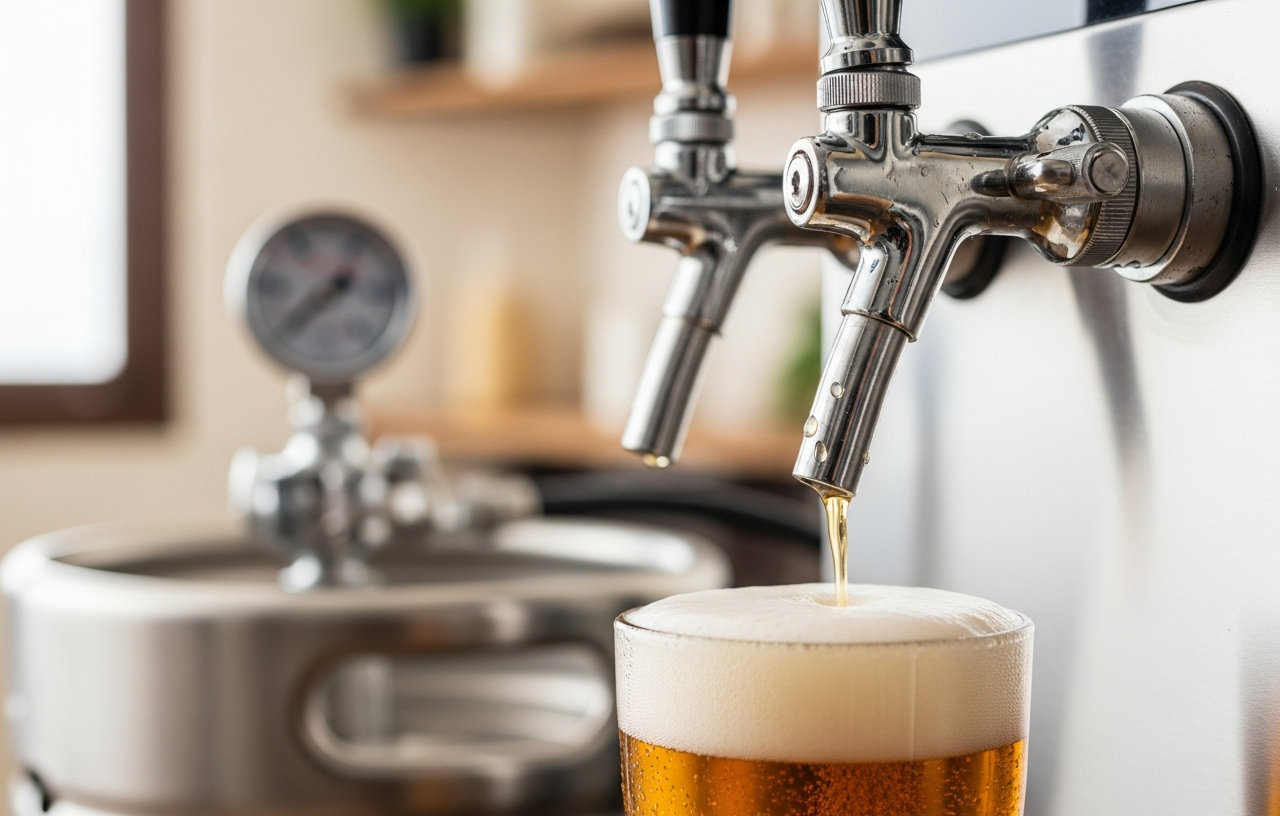
Like beer lines, faucets can become clogged with dried beer residue or yeast buildup. This is especially true if the faucet has not been used or cleaned in a while. Disassemble the faucet and clean all its parts thoroughly. A small brush can help remove stubborn deposits. If the faucet mechanism feels stiff or sticky after cleaning, it might be time for a replacement. The Draft Beer Faucet Beer Line Shank Kit is an excellent option for replacement parts. It includes a standard self-closing beer tap faucet with an SS304 core, ensuring durability and smooth operation. This kit also provides 5 feet of 3/16" I.D. beer tubing and a G5/8 hex nut coupler fitting, offering a complete solution for common faucet and line issues.
Check the Shank
The shank is the component that goes through the kegerator wall and connects the beer line to the faucet. Problems with the shank are less common but can occur. Ensure it is securely mounted and that the beer line is tightly connected to it. A loose connection here can cause leaks or restrict flow. If the shank itself is corroded or damaged internally, it might need replacement. The Draft Beer Faucet Beer Line Shank Kit also includes the necessary shank components for a complete tower dispenser replacement.
Empty Keg or Pressure Relief Valve Open
These are less common but can be easily overlooked causes.
Is the Keg Empty?
It sounds obvious, but sometimes a keg simply runs dry. If you have ruled out all other issues, lift the keg to check its weight. A surprisingly light keg means it is empty. If this valve is accidentally opened or stuck open, CO2 will escape, and pressure will not build up in the keg. Check this valve on both your keg and your coupler. Push it closed if it is open. Some older couplers might have a faulty valve that does not seal properly, requiring replacement.
When to Call a Professional
Most kegerator dispensing issues are solvable at home. However, if you have systematically gone through all these troubleshooting steps and still cannot get your kegerator to dispense beer, it might be time to call a professional. A service call for kegerator repair typically costs between $80 and $150, not including parts and labor. Labor rates usually range from $60 to $100 per hour. They have specialized tools and expertise to diagnose complex problems, such as internal component failures in the refrigeration unit or persistent leaks in hard-to-reach areas. If you are uncomfortable working with pressurized systems or disassembling components, a professional can provide the necessary assistance.
Conclusion
Troubleshooting a kegerator not dispensing beer involves checking the CO2 supply, beer lines, coupler, temperature, and faucet. Start with the most common issues, such as an empty CO2 tank or a clogged line. Regular maintenance, especially cleaning, will prevent many of these problems from occurring. With these steps, you can often restore your draft beer system to perfect working order.
Draft Beer Faucet Beer Line Shank Kit Kegerator Parts Beer Tower Dispenser Replacement Set Self-Closing Beer Tap Wrench I.D.3/16”
- Build A Kegerator Dispenser: This kegerator replacement parts kit includes a standard self-closing beer.
- SS304 Core Self-Closing Beer Tap Faucet: The Kegerator parts contain a stainless steel spring for.
- 5 ft Beer Line Tubing and G5/8 Hex Nut Coupler Fitting: 5 foot 3/16" I.D. beer tubing was long enough to.
- Tight Connection and No Leak No Loose: Kegerator tap have standard threads for a tight connection to the.
Kegconnection Kegerator Beer Line Cleaning Kit - Easy and Safe to Use Keg Cleaner - with Brew Clean Solution and More
- This home kegerator and brewery machine cleaner kit has every tool you'll need that fit your kegs and easy.
- This keg cleaning kit has everything you need to clean your taps system. This beer line cleaner set has 8.
- Our keg line cleaning kit is very easy to use to clean your beer kegerator dispenser line. The cleaning.
- Made specially for cleaning your kegerators beer lines, this cleaning equipment and solution kit is safe.
BACOENG 1-Tap Kegerator Kit, Complete Beer Tap Kit for Refrigerator with Stainless Steel Tap Probe and Hose & Parts, Keg Tap Kit
- 1. DUAL GAUGE REGULATOR: This unit weighs about 3 pounds and includes 2 rubber protective covers. It.
- 2. HANDLE D-SYSTEM KEG COUPLER: D-System Keg Coupler features a sturdy nickel-plated forged brass body.
- 3. CHROME BEER FAUCET WITH BRASS LEVER: Featuring a forged brass body and highly polished chrome finish.
- 4. METAL BEER FAUCET WRENCH: This beer faucet spanner wrench is an essential tool that allows you to.