
kitchentoolz 1 Gallon Glass Wide Mouth Kombucha Brewing Mason Jar - Home Brewing and Fermenting Kit with Cotton Cloth Filter,
- Wide mouth design allows easy access for filling, stirring, and cleaning
- Includes 1-gallon glass jar, cotton cloth cover, rubber band, and airtight plastic lid
- Rubber band secures the cloth cover firmly during fermentation
- Airtight plastic lid provides secure storage for finished products

Kombucha Essentials Kit - Includes USDA Organic Kombucha SCOBY + 1-Gallon Glass Fermenting Jar with Breathable Cover + pH Strips
- ★ BUDGET-FRIENDLY KOMBUCHA STARTER KIT ★ This is a stripped-down version of our kombucha kit. Includes a.
- QUALITY PROMISE to Our cultures are certified Organic & Kosher, grown and cared for in our fully licensed lab
- BREW WITH CONFIDENCE to Our easy instructions guide you step by step through your first fermentation. If.
- CREATE, LEARN, GROW to Get creative with new flavoring ideas and brewing techniques. Invite your friends.
Discovering an unusual film or growth on your kombucha's surface can be alarming, but it is not always a sign of spoilage. Many homebrewers face the challenge of identifying whether a fuzzy patch or a slick film signals a ruined batch or a normal part of fermentation. Knowing the differences between kombucha mold and kahm yeast is essential. This knowledge allows you to react correctly, ensuring safety and potentially saving your brew.
Understanding Your Kombucha Fermentation
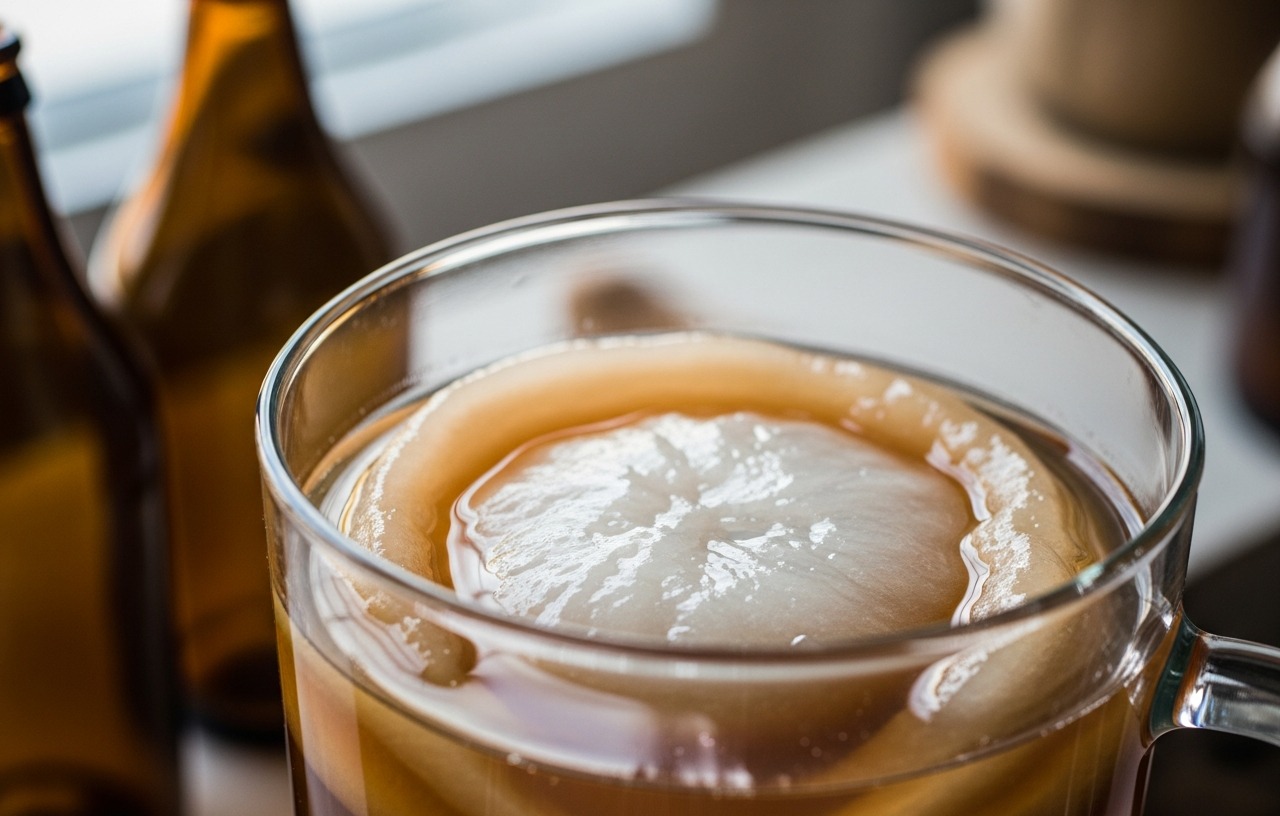
Kombucha fermentation relies on a symbiotic culture of bacteria and yeast, commonly called a SCOBY. This living culture transforms sweetened tea into the tangy, effervescent drink we enjoy. A healthy SCOBY looks like a rubbery, off-white, or brownish disk, often uneven in texture. It might have strings of yeast hanging from it. During fermentation, a new SCOBY layer typically forms on the surface, sealing off the liquid from oxygen. This new layer can sometimes look strange, causing confusion for new brewers.
The fermentation process involves both aerobic and anaerobic stages. Initial aerobic activity occurs at the surface, where oxygen is available. As the new SCOBY layer thickens, the environment becomes more anaerobic. Proper conditions, including correct temperature and acidity, are vital for a healthy fermentation. Deviations from these conditions often invite unwanted guests like mold or kahm yeast.
Identifying Kombucha Mold: A Dangerous Intruder
Mold is the most dangerous contaminant in kombucha. It indicates that your brew is unsafe to consume. Recognizing mold quickly allows you to discard the batch and prevent potential health risks.
What Does Kombucha Mold Look Like?
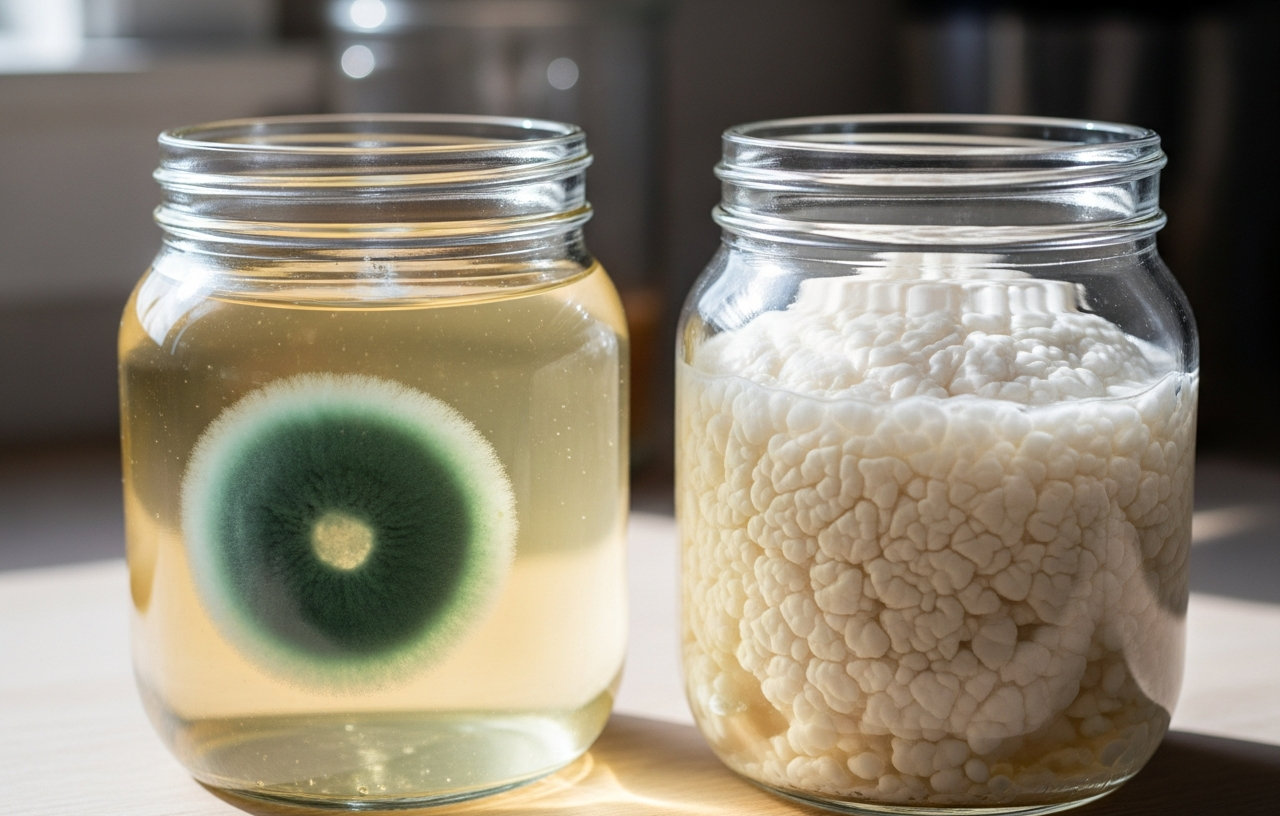
Kombucha mold typically appears as dry, fuzzy, or powdery patches. It often starts as small, distinct circles or spots on the surface of your SCOBY or the liquid. Common colors include green, black, blue, or white, but it can also be gray or even pink. Unlike kahm yeast, mold always appears on the surface, never submerged. It looks distinctly three-dimensional and furry, much like mold you might find on old bread or fruit. If you see any fuzzy growth, it is mold.
Smell and Texture of Moldy Kombucha
Beyond visual cues, moldy kombucha may have an off-putting smell. It might smell musty, rotten, or simply foul. A healthy kombucha brew smells tangy, vinegary, or slightly sweet. If you detect unpleasant odors along with fuzzy growth, this confirms the presence of mold. The texture of mold is fuzzy and dry to the touch, unlike the wet, slimy feel of a healthy SCOBY or kahm yeast.
What to Do if You Find Mold
If you confirm mold in your kombucha, discard the entire batch. This includes the liquid, the SCOBY, and any starter tea. Do not attempt to salvage any part of it. Mold spores can penetrate deep into the SCOBY and the liquid, making it unsafe. Trying to save a moldy batch puts your health at risk. After discarding, thoroughly clean and sanitize your brewing vessel and all equipment. Ideal fermentation temperatures are typically between 70-80°F (21-27°C).
Identifying Kahm Yeast: A Harmless Annoyance
Kahm yeast is a common, harmless contaminant that often appears in fermented foods, including kombucha. It is not dangerous to consume, but it can affect the flavor of your brew.
What Does Kahm Yeast Look Like?
Kahm yeast appears as a white, opaque, or off-white film on the surface of your kombucha. It can be wrinkly, slimy, or look like a thin, web-like layer. It often forms in patches or rings around the edge of the vessel, but it can also cover the entire surface. Unlike mold, kahm yeast is generally wet and shiny, not fuzzy. It lies flat on the surface and does not have the three-dimensional, furry appearance of mold. It sometimes resembles brain-like convolutions or a thin, cloudy pellicle. While it can be thick, it lacks the distinct fuzziness.
Smell and Texture of Kahm Yeast
Kahm yeast usually smells yeasty, sometimes like old beer, cheese, or even slightly fruity. It does not typically produce foul or rotten odors. If the smell is unpleasant or rancid, it might indicate other issues, but not necessarily kahm yeast itself. The texture is slick, slimy, or gelatinous, easily disturbed with a spoon. It is never dry or fuzzy.
What to Do if You Find Kahm Yeast
If you are certain it is kahm yeast and not mold, you can often salvage your brew. Carefully skim the kahm yeast off the surface using a clean spoon. Be gentle to avoid disturbing the healthy SCOBY underneath. You can continue fermentation, but taste the kombucha before bottling. Kahm yeast can impart an off-flavor, often described as overly yeasty, bland, or even soapy. If the flavor is undesirable, you may choose to discard the batch, but it is not a safety concern.
Common Causes of Kahm Yeast Growth
- Excessive Air Exposure: Kahm yeast thrives in oxygen-rich environments. An improper cover or too much headspace can contribute to its growth.
- Weak Starter Tea: Similar to mold, an insufficient amount of acidic starter tea can create a less acidic environment, allowing kahm yeast to proliferate before the SCOBY establishes itself.
- Temperature Fluctuations: Inconsistent temperatures can stress the SCOBY, making it less robust and more susceptible to kahm yeast.
- Low Sugar Content: If the initial tea contains too little sugar, the SCOBY may struggle, and kahm yeast can take over.
Preventing Unwanted Growth in Your Kombucha
Prevention is the best approach to avoid both mold and kahm yeast. All equipment that comes into contact with your kombucha, including the brewing vessel, spoons, and bottles, must be thoroughly cleaned and sanitized. Use a no-rinse sanitizer according to its instructions. Even a small amount of residue from soap or other cleaning agents can harm your SCOBY. Investing in appropriate cleaning supplies and following strict sanitation protocols will save you many headaches. For more information, refer to How to Sanitize Brewing Equipment for Beer.
Use a Strong, Acidic Starter Tea
Always use at least 1-2 cups of strong, unflavored starter tea per gallon of sweet tea. This lowers the pH of your new batch immediately, creating an acidic environment that inhibits the growth of unwanted molds and yeasts. If your starter tea is weak or old, consider using a fresh, vibrant starter from a reliable source. Many brewers find success with Kombucha Starter Kits which often provide robust SCOBYs and high quality starter liquid.
Maintain Consistent Fermentation Temperature
Kombucha ferments best within a temperature range of 70-80°F (21-27°C). Temperatures below this range slow down the SCOBY, allowing mold and kahm yeast to establish themselves. Temperatures too high can also stress the SCOBY and lead to off-flavors. Consider using a fermentation temperature controller if your brewing environment is inconsistent. The Inkbird ITC-308 Review provides insight into a popular budget-friendly option.
Ensure Proper Airflow and Covering
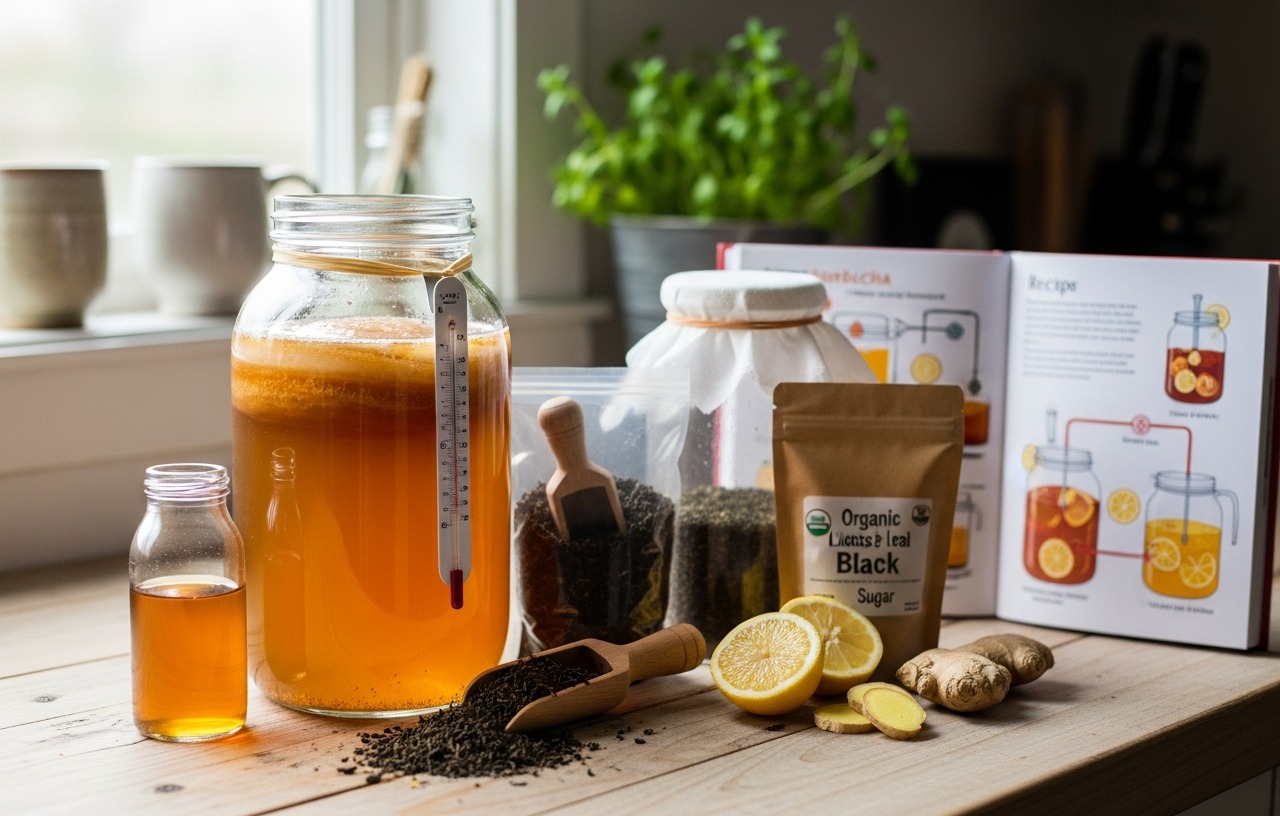
Kombucha needs oxygen for the initial fermentation, but the vessel mouth must be covered to prevent airborne contaminants. Use a tightly woven cotton cloth, coffee filter, or paper towel secured with a rubber band. This allows air exchange while keeping out dust, fruit flies, and mold spores. Do not use an airtight lid during the first fermentation, as this can starve the SCOBY of oxygen. A wide-mouth jar, like the kitchentoolz 1 Gallon Glass Wide Mouth Kombucha Brewing Mason Jar, is an excellent choice for this. Its wide mouth allows easy access for cleaning and stirring, and it comes with a cotton cloth filter and rubber band to ensure proper, secure covering during fermentation.
Choosing the Right Fermentation Vessel
The type of vessel you use can also affect your success. Glass is generally preferred for kombucha due to its non-porous nature and ease of cleaning. Plastic can scratch and harbor bacteria over time. For more on vessel choices, consider reading Glass Carboy vs. Plastic Fermenter: Which is Right for Your Brew?
When to Discard and Restart
If you encounter mold, discarding the entire batch and starting fresh is the only safe option. This small investment is well worth it for your health. A high quality starter kit, such as the Kombucha Essentials Kit, provides a USDA Organic SCOBY, a 1-gallon glass fermenting jar with a breathable cover, and pH strips, giving you a strong foundation for a healthy brew. Its quality promise includes certified Organic & Kosher cultures, grown in a licensed lab, ensuring you brew with confidence.
For kahm yeast, you can often skim and continue, but if the flavor is unappealing after skimming, it is best to discard the liquid. You can usually reuse the SCOBY if it looks healthy and the kahm yeast was only on the surface. However, if you are unsure or want to be extra cautious, starting with a fresh SCOBY is always a safe bet.
Final Considerations for Homebrewers
Patience is a virtue in kombucha brewing. New SCOBY layers can look strange and uneven, sometimes resembling kahm yeast or even initial mold growth. Always wait a few days to see how the growth develops before making a judgment. If it becomes fuzzy, it is mold. If it remains flat, wet, and slimy, it is likely kahm yeast.
Keeping a brewing log can also help. Documenting temperatures, starter tea amounts, and any unusual growths will help you identify patterns and improve your brewing process over time. A successful kombucha brew depends on a balance of factors, all within your control as a homebrewer. By understanding the signs of mold and kahm yeast, you can ensure your homemade kombucha is both delicious and safe.
kitchentoolz 1 Gallon Glass Wide Mouth Kombucha Brewing Mason Jar - Home Brewing and Fermenting Kit with Cotton Cloth Filter,
- Wide mouth design allows easy access for filling, stirring, and cleaning
- Includes 1-gallon glass jar, cotton cloth cover, rubber band, and airtight plastic lid
- Rubber band secures the cloth cover firmly during fermentation
- Airtight plastic lid provides secure storage for finished products
Kombucha Essentials Kit - Includes USDA Organic Kombucha SCOBY + 1-Gallon Glass Fermenting Jar with Breathable Cover + pH Strips
- ★ BUDGET-FRIENDLY KOMBUCHA STARTER KIT ★ This is a stripped-down version of our kombucha kit. Includes a.
- QUALITY PROMISE to Our cultures are certified Organic & Kosher, grown and cared for in our fully licensed lab
- BREW WITH CONFIDENCE to Our easy instructions guide you step by step through your first fermentation. If.
- CREATE, LEARN, GROW to Get creative with new flavoring ideas and brewing techniques. Invite your friends.