
Deluxe Organic Kombucha Starter Kit - Six Swing Top Bottles, Stainless Steel Funnel, Custom Bottle Brush & Our Original Brewing
- Save money and time purchasing all of the equipment to brew and bottle in one custom kit. Our Deluxe.
- Includes a Bendable Bottle Brush. Custom made for our 16 oz. bottles and fits those hard to reach corners
- Includes a well made Stainless Steel Funnel and Strainer Set. Finally bottle and strain your kombucha with.
- Includes our 1 Gallon Kombucha Brewing Kit - All the essential ingredients to get you started and the.

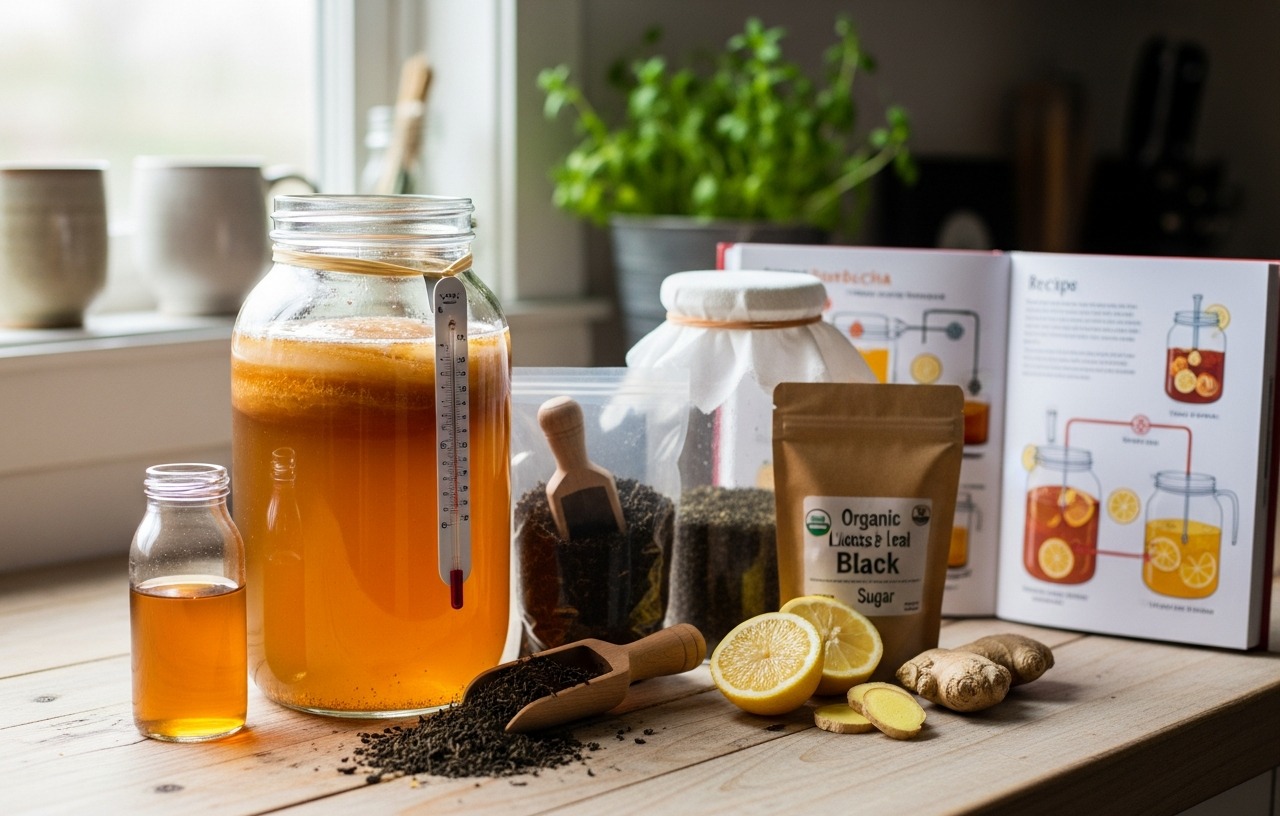
Kombucha Essentials Kit - Includes USDA Organic Kombucha SCOBY + 1-Gallon Glass Fermenting Jar with Breathable Cover + pH Strips
- ★ BUDGET-FRIENDLY KOMBUCHA STARTER KIT ★ This is a stripped-down version of our kombucha kit. Includes a.
- QUALITY PROMISE to Our cultures are certified Organic & Kosher, grown and cared for in our fully licensed lab
- BREW WITH CONFIDENCE to Our easy instructions guide you step by step through your first fermentation. If.
- CREATE, LEARN, GROW to Get creative with new flavoring ideas and brewing techniques. Invite your friends.
A SCOBY floating upside down in your kombucha fermenter is a common sight and usually a positive sign of active fermentation. While it might look unusual, it rarely indicates a problem. Understanding the reasons behind this phenomenon can help you brew with confidence and identify rare instances where intervention is needed.
Why Your Kombucha SCOBY Floats Upside Down
Most often, a SCOBY that has flipped or is floating at an odd angle is simply reacting to the natural processes of fermentation. The culture itself is a living organism, and its behavior can vary from batch to batch.
Carbon Dioxide Accumulation
The most frequent reason for a SCOBY to float upside down is the accumulation of carbon dioxide. As the yeast and bacteria in your SCOBY consume sugar, they produce CO2 as a byproduct. This gas gets trapped underneath the pellicle, creating buoyancy. If enough gas builds up on one side, or if the SCOBY itself is uneven, it can cause the pellicle to flip or float at an angle. This is a sign of a very active and healthy fermentation. You may even see small bubbles rising through the liquid or clinging to the SCOBY.
New Pellicle Formation
When you start a new batch of kombucha, the original SCOBY (the mother culture) might sink to the bottom or float sideways. This is completely normal. A new, thin pellicle often begins to form on the surface of the liquid, regardless of where the original SCOBY is located. This new pellicle is what most brewers consider the 'new SCOBY.' It will thicken over time and might appear to be floating independently or even pushing the older SCOBY around. If the original SCOBY sinks, the new pellicle will form on top of the liquid, creating its own distinct layer. It is a natural part of the brewing process.
Temperature Fluctuations
Temperature plays a significant role in fermentation activity. Kombucha ferments best between 75°F and 85°F (24°C-29°C). If the temperature is too cold, fermentation slows down, and the SCOBY might sink and become less active. If the temperature is too warm, fermentation can become overly vigorous, potentially causing excessive CO2 production that pushes the SCOBY around. Consistent temperatures help maintain a healthy and predictable fermentation. Consider using a fermentation temperature controller if you struggle with stable temperatures. Products like the Inkbird ITC-308 can provide precise control over your brewing environment. For more options, read our guide on Best Fermentation Temperature Controllers.
Insufficient Starter Tea or Sugar
A SCOBY needs adequate nutrients to thrive. If your starter tea ratio is too low, or if you did not add enough sugar to your sweet tea, the SCOBY might struggle. A struggling SCOBY may not produce enough CO2 to float, or it might become inactive and sink. Make sure you follow a reliable recipe that provides the correct proportions of strong tea, sugar, and mature starter tea. The starter tea provides the necessary acidic environment and active cultures to kickstart fermentation and prevent mold.
Troubleshooting a Flipped or Sinking SCOBY
Most of the time, no action is required when a SCOBY floats upside down. However, if you are concerned, a few checks can offer reassurance.
Observe the Fermentation Activity
Look for other signs of healthy fermentation. You should see small bubbles rising in the liquid, particularly around the SCOBY. The liquid itself might become cloudier over time. A new pellicle should start forming on the surface within a few days. The smell should be pleasantly vinegary and slightly sweet, not foul or moldy. If these signs are present, your SCOBY is likely doing its job, regardless of its orientation.
Check the Temperature
Verify your fermentation temperature. Use a reliable thermometer to ensure it falls within the optimal range of 75°F to 85°F (24°C-29°C). If it is too cold, consider moving your fermenter to a warmer spot or using a heating pad designed for fermentation. Maintaining a consistent temperature is one of the easiest ways to promote healthy kombucha brewing.
Ensure Proper Ratios
Double-check your recipe for the tea, sugar, and starter tea proportions. A good rule of thumb is 1 cup of sugar per gallon of tea, and 1-2 cups of strong starter tea per gallon. If you are using a new starter kit, make sure to follow its specific instructions. The Kombucha Essentials Kit, for example, includes a USDA Organic Kombucha SCOBY and a 1-gallon glass fermenting jar, along with easy instructions to guide you through your first fermentation, helping to ensure proper ratios from the start.
Avoid Disturbing the SCOBY
Resist the urge to poke or reposition the SCOBY. Each time you disturb the fermenter, you introduce potential contaminants and disrupt the delicate environment. Let the SCOBY do its work. It will settle into its preferred position naturally. Excessive handling can also introduce oxygen, which is beneficial early on but can slow pellicle formation if overdone.
When to Be Concerned: Recognizing Mold
While a flipped SCOBY is usually harmless, there are specific signs that indicate a problem, primarily mold. Mold is the primary concern for kombucha brewers.
Identifying Mold
Mold typically appears as fuzzy, dry, colored spots (green, black, white, or blue) on the surface of the SCOBY or the liquid. It often looks like the mold you would find on old bread or fruit. Healthy SCOBY formations, by contrast, are usually smooth, slimy, translucent, creamy white, or tan. They can have brown strings of yeast hanging from them, which are normal. If you see anything fuzzy, discard the entire batch, including the SCOBY, and sanitize your equipment thoroughly before starting a new batch. There are no 'repair services' for a kombucha SCOBY. Replacing your SCOBY and starting with a fresh batch of tea is the only solution. For guidance on sanitation, review our article on How to Sanitize Brewing Equipment for Beer, as many principles apply to kombucha.
Foul Odors
A healthy kombucha brew smells vinegary, tart, and slightly sweet. If you detect foul, cheesy, rotten, or unusually yeasty odors, it might indicate a contamination problem. Trust your nose. If it smells off, it is safer to discard and restart. Sometimes, a very strong yeasty smell can indicate an imbalance, but true foul odors are a clear warning sign.
Getting Started or Restarting Your Kombucha Brew
If you need to start fresh or are setting up your first kombucha brewing station, having the right equipment is key. A good starter kit can simplify the process and help you avoid common pitfalls. For example, the Best Kombucha Starter Kits often include everything needed for a successful fermentation.
The Deluxe Organic Kombucha Starter Kit is a top pick for brewers looking for a complete solution. It includes a healthy SCOBY, a fermenting vessel, six swing-top bottles for bottling your finished brew, a stainless steel funnel, and a custom bottle brush. This kit streamlines the process of brewing and bottling, saving you time and ensuring you have quality tools, like the custom-made bendable bottle brush designed for those hard-to-reach corners of your bottles. Having all components in one place helps maintain consistency and proper hygiene, which are vital for healthy SCOBY development.
For those who prefer a more budget-friendly approach, the Kombucha Essentials Kit offers a stripped-down version. It features a USDA Organic Kombucha SCOBY, a 1-gallon glass fermenting jar with a breathable cover, and pH strips. This kit provides the core elements for a successful first fermentation, focusing on quality ingredients without unnecessary extras. Our cultures are certified Organic and Kosher, grown and cared for in our fully licensed lab. This quality promise gives new brewers confidence.
Final Thoughts on SCOBY Orientation
The floating position of your SCOBY, whether right-side up, upside down, or even submerged, is rarely an indicator of a problem. Focus instead on the overall signs of healthy fermentation: a pleasant vinegary aroma, visible bubble activity, and the formation of a new, smooth pellicle on the surface. These are the true markers of a successful kombucha brew. Keep your brewing environment clean, maintain stable temperatures, and use quality ingredients, and your SCOBY will do its job.
Deluxe Organic Kombucha Starter Kit - Six Swing Top Bottles, Stainless Steel Funnel, Custom Bottle Brush & Our Original Brewing
- Save money and time purchasing all of the equipment to brew and bottle in one custom kit. Our Deluxe.
- Includes a Bendable Bottle Brush. Custom made for our 16 oz. bottles and fits those hard to reach corners
- Includes a well made Stainless Steel Funnel and Strainer Set. Finally bottle and strain your kombucha with.
- Includes our 1 Gallon Kombucha Brewing Kit - All the essential ingredients to get you started and the.
Kombucha Essentials Kit - Includes USDA Organic Kombucha SCOBY + 1-Gallon Glass Fermenting Jar with Breathable Cover + pH Strips
- ★ BUDGET-FRIENDLY KOMBUCHA STARTER KIT ★ This is a stripped-down version of our kombucha kit. Includes a.
- QUALITY PROMISE to Our cultures are certified Organic & Kosher, grown and cared for in our fully licensed lab
- BREW WITH CONFIDENCE to Our easy instructions guide you step by step through your first fermentation. If.
- CREATE, LEARN, GROW to Get creative with new flavoring ideas and brewing techniques. Invite your friends.