
FERRODAY Wort Brewing Pump, Stainless Head Magnetic Drive for Wort Transfer
- Safely Transfer Liquid: note: This is a magnetic drive pump, not a self-priming pump, please install the.
- Quiet and Efficient: The pump’s main shaft is separated from the impeller, which has damping and.
- Solid Magnetic Pump: Fully-sealed magnetic pump, motor with connecting the magnetic shaft and magnetic.
- Easy to Use: Prime by running liquid through the pump by connecting with water hose prior to turning it.
Lifting 5 gallons of hot wort from a brew kettle to a wort chiller, then into a fermenter, can feel like a dangerous athletic event. The risk of burns, spills, and accidental oxidation is high, especially for larger batches. A homebrew pump eliminates this physical strain and significantly improves safety during liquid transfers. Choosing the correct pump makes your brew day smoother and more enjoyable, providing consistent results for your beer, wine, or kombucha.
Why a Homebrew Pump Matters for Your Brew Day
Many homebrewers start by manually moving liquids. This method works for small batches, but it quickly becomes cumbersome and potentially hazardous as batch sizes increase. A pump automates the transfer process. It moves hot wort from your boil kettle to a wort chiller, then to your fermentation vessel, reducing physical effort and minimizing contact with hot liquids. Pumps also help recirculate wort during mashing in all-grain systems, allowing for clearer wort and better efficiency.
Beyond safety, a pump contributes to consistency. Controlled flow rates help with chilling efficiency and prevent splashing that can introduce unwanted oxygen into cooled wort, which negatively impacts beer flavor. For those using plate chillers, a pump is practically essential for pushing wort through the chiller effectively.
Understanding Homebrew Pump Types
Two main types of pumps dominate the homebrewing market: magnetic drive and self-priming.
Magnetic Drive Pumps
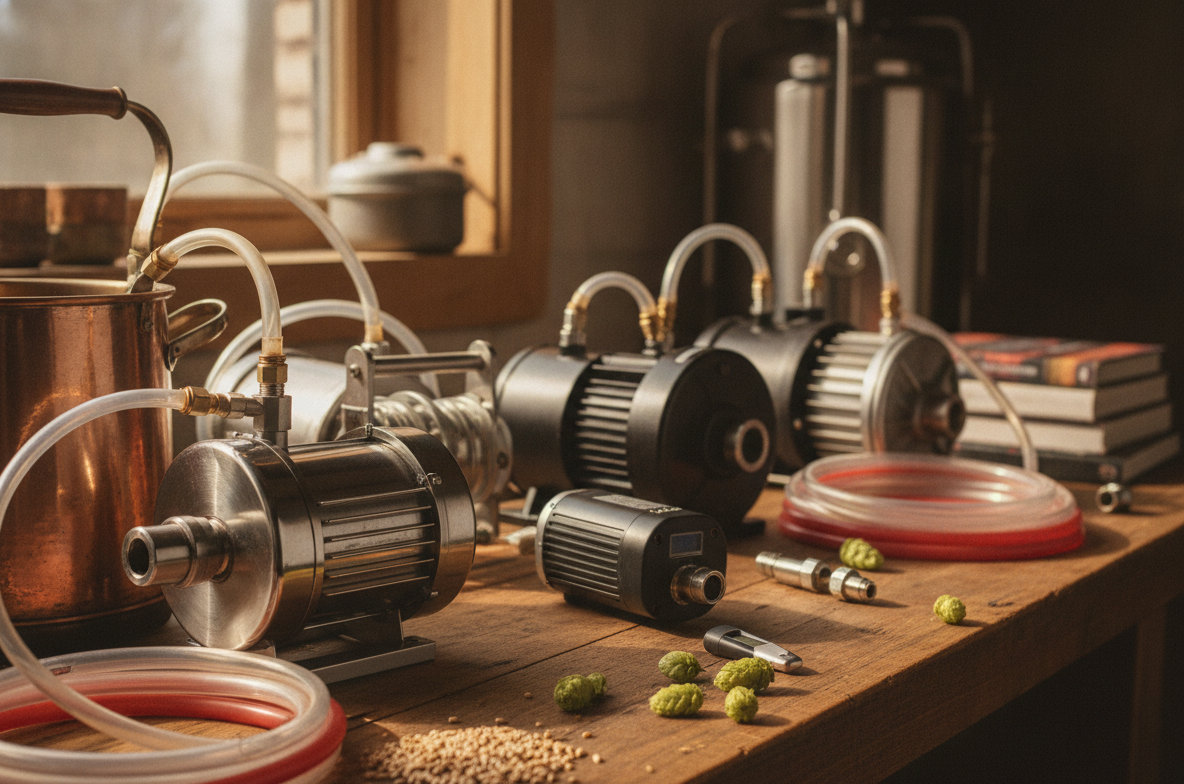
Magnetic drive pumps are popular among homebrewers for several reasons. They feature a sealed motor that is separated from the pump head by a magnetic coupling. This design means there are no shaft seals to wear out or leak, making them very sanitary and reliable. They are typically quiet and efficient.
- Pros: Excellent for hot liquids like wort, quiet operation, highly sanitary due to sealed design, durable.
- Cons: Not self-priming. This means the pump head must be full of liquid before you turn it on. If it runs dry, it can damage the pump. Proper installation, with the pump below the liquid level, is necessary.
The FERRODAY Wort Brewing Pump, a top pick, is an example of a magnetic drive pump. Its sealed magnetic design offers quiet and efficient operation, ideal for moving hot wort.
Self-Priming Pumps
Self-priming pumps can draw liquid and air, making them more forgiving for setup. You do not need to make sure the pump head is full of liquid before starting. This can be convenient if your pump cannot be positioned below your liquid source.
- Pros: Can draw liquid from a higher elevation, easier to set up without gravity feed.
- Cons: Often louder, may have more parts that can wear out (like impellers and seals), and some models are not rated for high temperatures, making them less suitable for hot wort.
Key Specifications to Consider
When selecting a homebrew pump, several specifications directly impact its performance and suitability for your brewing setup.
Flow Rate (GPM)
The flow rate, measured in gallons per minute (GPM) or liters per minute (LPM), indicates how quickly the pump can move liquid. For most 5-gallon homebrew batches, a pump with a flow rate of 3-6 GPM is sufficient. Larger systems, like 10-gallon or commercial setups, may benefit from higher flow rates. Consider your typical batch size and how quickly you want to transfer liquids, especially when chilling.
Head Height
Head height, or lift, refers to the maximum vertical distance a pump can move liquid against gravity. If you need to pump wort from a kettle on the floor to a fermenter on a counter, you need a pump with adequate head height. Most homebrew pumps offer enough head for common setups, typically around 10-15 feet. Confirm this specification if your setup involves significant vertical transfers.
Maximum Liquid Temperature
This is a critical specification for brewers. Hot wort coming off the boil can be near 212°F (100°C). Make sure your pump is rated to handle these temperatures. Stainless steel pump heads are generally superior for high-temperature applications compared to plastic alternatives. Using a pump not rated for high temperatures can cause damage or even melt components.
Materials
The materials of the pump head and impeller are important for sanitation and durability. Stainless steel is the preferred material for pump heads because it resists corrosion, is easy to clean, and handles high temperatures well. Food-grade plastics can be acceptable for impellers or other internal components, but avoid cheap, non-food-grade plastics, especially for hot-side applications.
Power and Voltage
Most homebrew pumps operate on standard 120V AC household power. Some smaller, portable options might use DC power. Make sure the pump's power requirements match your available outlets. AC pumps are generally more powerful and suitable for continuous use.
Fittings
Consider the type and size of fittings on the pump. Common options include:
- Barbed fittings: Simple, require hose clamps, but can be difficult to clean.
- NPT (National Pipe Taper) threaded fittings: Versatile, allowing for connection to various plumbing components.
- Quick disconnects (e.g., camlock, quick-release): Offer convenience for quick setup and breakdown, making cleaning easier. Many brewers prefer quick disconnects for their efficiency.
Ensure the pump's fittings are compatible with your existing hoses and brewing equipment. Adapters are available, but it is better to match fittings from the start.
Red Flags to Watch Out For
Some pumps on the market may seem like a bargain, but they can quickly become a source of frustration or even a safety hazard. Be wary of these issues:
- Cheap plastic pump heads: If the pump head is made of low quality plastic, especially for hot wort transfers, it may deform or leach chemicals into your brew.
- Low temperature ratings: A pump not rated for boiling temperatures is useless for moving hot wort. Always check the maximum operating temperature.
- Non-food-grade materials: Any part of the pump that comes into contact with your wort or beer must be made from food-grade materials to prevent contamination.
- Excessive noise: While some pump noise is normal, excessively loud operation can indicate poor construction, an unbalanced impeller, or a motor issue that could lead to premature failure. The FERRODAY Wort Brewing Pump is known for its quiet operation.
- Lack of clear specifications: If a manufacturer does not provide clear details on flow rate, head height, temperature rating, or materials, it is a red flag.
Our Top Pick: FERRODAY Wort Brewing Pump
For homebrewers seeking a reliable, efficient, and quiet pump, we recommend the FERRODAY Wort Brewing Pump, Stainless Head Magnetic Drive for Wort Transfer. This pump stands out for its robust construction and performance characteristics that align perfectly with the demands of homebrewing.
The FERRODAY pump simplifies hot wort transfer, making your brew day safer and more efficient. Its magnetic drive design means fewer moving parts exposed to liquid, reducing wear and improving sanitation.
Key features based on product specs and user reviews include:
- Stainless Steel Head: The pump head is constructed from stainless steel, making it highly durable, easy to sanitize, and perfectly suited for transferring hot wort without concern for material degradation or chemical leaching.
- Magnetic Drive Design: As a magnetic drive pump, it offers a fully-sealed motor with a magnetic shaft and magnetic impeller connection. This design ensures safe liquid transfer by eliminating traditional shaft seals, which are common points of failure and leakage in other pump types. It also contributes to its quiet operation.
- Quiet and Efficient: The separation of the main shaft from the impeller, featuring damping, results in notably quiet operation compared to many other homebrew pumps. This efficiency makes for a more pleasant brewing environment.
- Not Self-Priming: Make sure the pump head is flooded with liquid before starting it to prevent damage and ensure proper function. Always install it below the liquid level for optimal performance.
The FERRODAY pump is an excellent choice for brewers looking to upgrade their transfer capabilities with a high quality, long-lasting piece of equipment.
long term Ownership and Maintenance
A homebrew pump is an investment. Proper care extends its lifespan and makes sure it continues to perform reliably.
Cleaning and Sanitization
Immediately after each use, flush your pump with clean water. Then, circulate a cleaning solution, like PBW (Powdered Brewery Wash), followed by a sanitizing solution, such as Star San. Disassemble the pump head regularly to clean any internal components, like the impeller, and inspect for wear. Thorough cleaning prevents bacterial growth and off-flavors in your beer. For detailed sanitization practices, refer to our guide on How to Sanitize Brewing Equipment for Beer.
Storage
Store your pump in a clean, dry place. Make sure all liquid has drained from the pump head and hoses to prevent mold or mineral buildup.
Replacement Parts
Over time, O-rings and impellers may wear out. Having spare parts on hand can prevent delays on brew day. Check with the manufacturer for availability of common replacement components.
Energy Consumption
Homebrew pumps are generally low-power devices. The energy cost of running a pump for a few hours on brew day is minimal, typically less than a dollar per batch.
Setting Up Your Homebrew Pump System
Integrating a pump into your brewing setup requires a few additional considerations.
Hoses
Use high quality, food-grade silicone or reinforced clear vinyl tubing that can withstand hot liquids. Silicone is flexible and handles high temperatures well. Make sure your hose diameter matches your pump fittings (typically 1/2 inch or 3/8 inch internal diameter).
Valves
Ball valves are excellent for controlling flow. Install them on both the inlet and outlet of your pump to manage liquid transfers, prevent backflow, and isolate the pump for cleaning or maintenance.
Wort Chillers
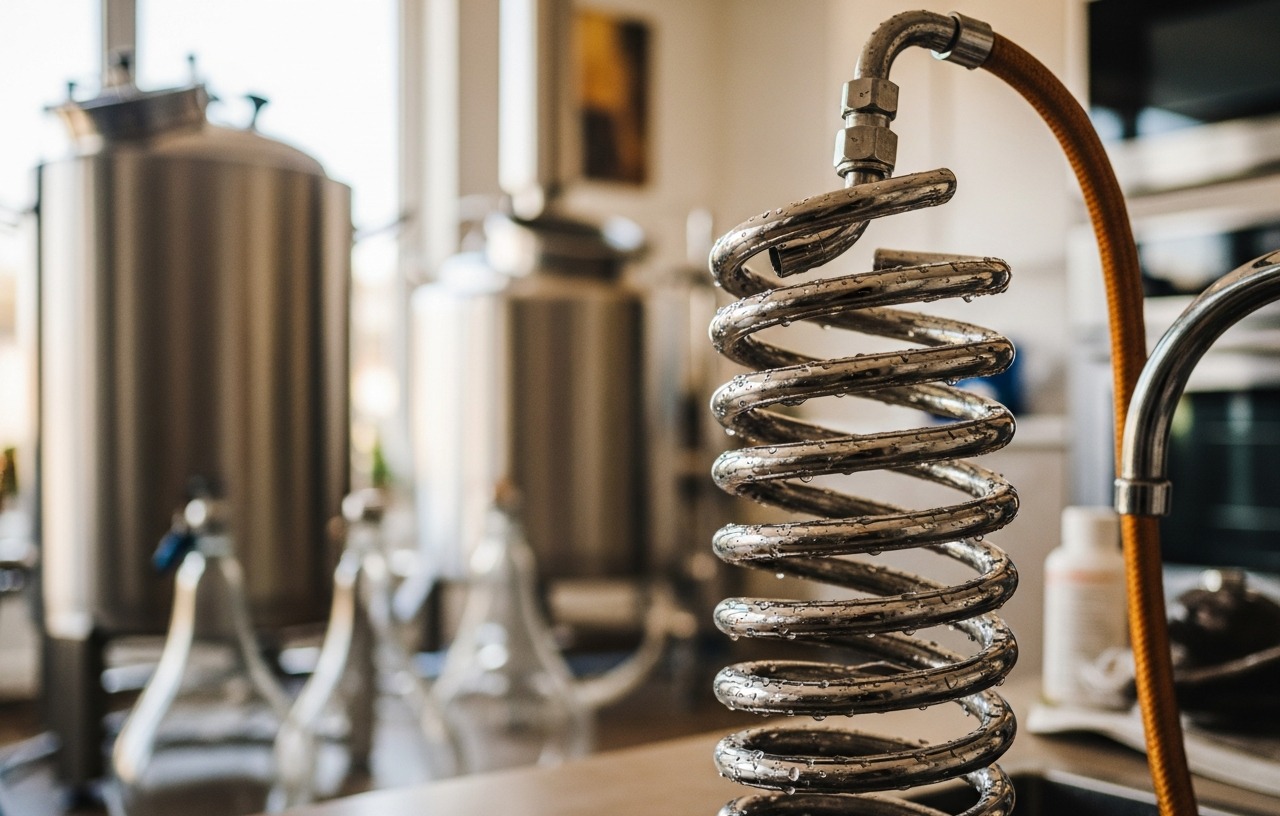
Pumps pair well with both immersion and plate chillers. When using a plate chiller, a pump is almost a necessity to push the hot wort through the chiller efficiently. This helps achieve faster cooling times. Learn more about options in our guide to the .
Fermentation Vessels
A pump makes transferring wort to your fermenter much easier, whether you use glass carboys or plastic fermenters. This reduces the risk of splashing and oxidation. Read about your options in Best Fermentation Vessels for Beer: Glass Options Reviewed.
Frequently Asked Questions About Homebrew Pumps
Do I really need a pump for homebrewing?
While not strictly necessary for very small batches, a pump significantly improves safety, efficiency, and consistency for 5-gallon batches and larger. It reduces physical strain and minimizes the risk of spills and oxidation, making brew day much more enjoyable.
How do I clean my homebrew pump?
After each use, flush the pump with clean water. Then, circulate a brewery cleaning solution, followed by a sanitizing solution. Regularly disassemble the pump head to manually clean and inspect the impeller and O-rings for any buildup or wear.
Can I use a homebrew pump for other liquids?
Yes, many homebrew pumps are versatile. They can be used for transferring water, cleaning solutions, or even other beverages like wine or cider. However, always make sure to thoroughly clean and sanitize the pump between uses, especially when switching between different types of liquids, to prevent cross-contamination.
FERRODAY Wort Brewing Pump, Stainless Head Magnetic Drive for Wort Transfer
- Safely Transfer Liquid: note: This is a magnetic drive pump, not a self-priming pump, please install the.
- Quiet and Efficient: The pump’s main shaft is separated from the impeller, which has damping and.
- Solid Magnetic Pump: Fully-sealed magnetic pump, motor with connecting the magnetic shaft and magnetic.
- Easy to Use: Prime by running liquid through the pump by connecting with water hose prior to turning it.