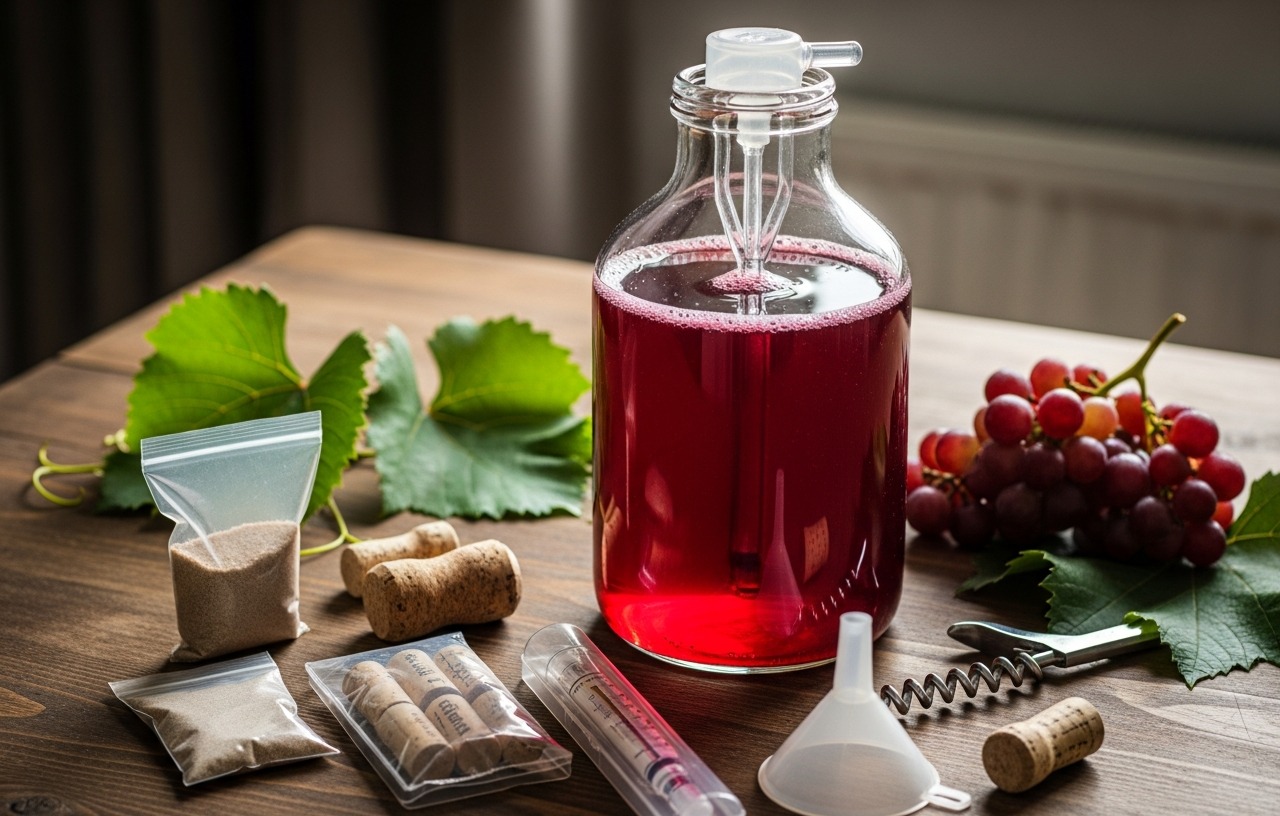

Bubble Airlock Set, 4 Airlocks for Fermenting, 4 Drilling #6 Stoppers and 8 Airlock Grommets, Used for Brewing Wine, Beer,
- Compared with other airlocks for fermenting, it is stronger, more transparent, and made of food-grade.
- The air lock can be used for various fermentation projects to preserve food. As a brewing airlock, craft.
- 4 fermentation airlocks, size: height 6.7 in/17 cm. 4 No. 6 fermentation stoppers, size: top diameter 1.3.
- The good airtightness of the fermentation airlock makes fermentation easier, effectively isolates the air.

3-Piece Airlock Fermentation Beer Wine Brewing Air Locks 3Pack with Silicone Grommets for Sauerkraut Kimchi Kombucha,
- Upgrade Transparency Airlock - Different than other normal 3-piece airlock in the market,it`s made of.
- Easy Fermenting Get Jobs Done Easily - Each piece in the kit is set up to work together to provide you.
- This Type Never Fails -The 3-Piece airlock is the perfect choice for the primary fermenter, since it comes.
- Why Should You Use It for Fermenting - It has been very rare to have something go bad during the.
Rotten egg smells or distinct vinegar notes during wine fermentation are clear signs of trouble. These off-odors usually point to one of three main problems: wild yeast or bacterial contamination, fermentation stress, or oxidation. Identifying the specific smell helps pinpoint the issue, allowing you to salvage your batch or prevent future problems.
Home winemakers often encounter unexpected aromas. While some are part of a healthy fermentation, others are definite warnings. The aroma can tell you a lot about what is happening inside your fermenter. Knowing what to look for can save an entire batch of wine.
Understanding Off-Odors in Wine Fermentation
A healthy wine fermentation produces a pleasant, fruity, or yeasty aroma. Any deviation from this usually indicates an underlying issue. These problems can range from minor adjustments to complete batch failures. Early detection is important.
Common Bad Smells and Their Meanings
- Rotten Eggs or Sulfur: This is often hydrogen sulfide (H2S), a common byproduct of stressed yeast.
- Vinegar or Acetone: Suggests bacterial contamination, specifically Acetobacter, which converts alcohol into acetic acid.
- Sour or Musty: Can indicate wild yeast, mold, or other bacterial spoilage.
- Band-Aid or Phenolic: Often caused by wild yeast contamination or improper sanitation.
- Solvent or Nail Polish Remover: Points to fusel alcohols, typically from high fermentation temperatures or stressed yeast.
- Nutty or Sherry-like: A sign of oxidation, where the wine has been exposed to too much oxygen.
Cause 1: Wild Yeast or Bacterial Contamination
One of the most common reasons for a bad smell during wine fermentation is contamination. Unwanted microorganisms, such as wild yeasts, molds, or bacteria, can enter your must and compete with your cultured yeast. These contaminants produce undesirable byproducts that create off-odors and off-flavors.
How to Identify Contamination
The smell is usually the first clue. You might detect sour, musty, moldy, or even overtly rotten fruit aromas. A distinct vinegar smell strongly suggests Acetobacter bacteria. Sometimes, a pellicle, which is a thin film or skin, forms on the surface of the wine. This pellicle often looks white, cloudy, or even fuzzy, indicating a bacterial or wild yeast infection. Mold can appear as green, black, or blue fuzzy patches.
Quick Test
Perform a visual inspection. Look closely at the surface of your fermenting wine. Check for any unusual films, spots, or colors. A healthy fermentation should look relatively clean on the surface, perhaps with some foam or krausen. Krausen is a thick, foamy head that forms during active fermentation. Anything else might be a problem. If the smell is strong and unpleasant, a small taste might confirm sourness or vinegary notes. Exercise caution when tasting, as some molds can be harmful.
Repair and Cost
Unfortunately, once a significant bacterial or wild yeast contamination takes hold, it is very difficult, if not impossible, to reverse. Most home winemakers find it best to discard the entire batch. The cost here is primarily the loss of your ingredients, which can range from $20 to $100 or more depending on the scale and quality of your wine kit or fruit. There is no repair service for this issue. Prevention is the only real solution.
Prevention is Key
The most important step to prevent contamination is rigorous sanitation. Every piece of equipment that touches your must or wine must be thoroughly cleaned and sanitized. This includes fermenters, airlocks, stirring spoons, and siphons. Use a good no-rinse sanitizer. Learn more about how to sanitize brewing equipment for beer, as the principles apply directly to wine making. Using fresh, healthy fruit and a reliable wine making kit also reduces the risk. For those starting out, reviewing the can provide a good foundation for clean fermentation.
Cause 2: Fermentation Stress
Yeast are living organisms, and like all living things, they can get stressed. Stress during fermentation often leads to the production of undesirable compounds that create off-odors. The two primary causes of yeast stress are nutrient deficiency and improper fermentation temperatures.
How to Identify Fermentation Stress
The most common symptom of stressed yeast is a rotten egg or sulfur smell (hydrogen sulfide, H2S). This smell is unmistakable. Another sign can be a solvent-like or nail polish remover aroma, indicating the presence of fusel alcohols. These are heavier alcohols produced when yeast ferments too hot or lacks proper nutrients. A band-aid or phenolic smell can also be a sign of stress, sometimes linked to specific wild yeasts or sanitation issues.
Quick Test
First, check your fermentation temperature. Use a reliable thermometer or a dedicated temperature controller. Is it within the recommended range for your specific yeast strain? Most wine yeasts prefer temperatures between 60-75°F (15-24°C). Temperatures too high or too low cause stress. Next, consider your must. Did you add sufficient yeast nutrients at the start of fermentation? Wine musts, especially those made from fruit, can sometimes be deficient in the nitrogen and other micronutrients yeast need for a healthy fermentation. You can also take a gravity reading. If fermentation has stalled prematurely, this could indicate stress.
Repair and Cost
If you detect a sulfur smell early in fermentation, gentle aeration might help the yeast work through it. Swirl the fermenter gently to release the H2S gas. Adding a yeast nutrient supplement can provide the necessary sustenance for the yeast to finish strong. Diammonium Phosphate (DAP) or a complex yeast nutrient blend are common choices. These cost very little, typically $5-$15 for enough to treat several batches. If the temperature is off, adjust it. Move the fermenter to a cooler or warmer spot. For precise control, consider a fermentation temperature controller. The best fermentation temperature controllers can cost anywhere from $50 for a basic Inkbird model to $300+ for a full glycol chiller system, but they offer excellent control. A service call for a brewing consultant might cost $80-$150, but most temperature issues are DIY fixes.
Prevention is Key
Always rehydrate your yeast according to the manufacturer's instructions. This gives them a strong start. Add appropriate yeast nutrients to your must, especially for fruit wines which can be nutrient-poor. Maintain a stable fermentation temperature within the yeast's recommended range. Using a reliable airlock, like the 3-Piece Airlock Fermentation Beer Wine Brewing Air Locks 3Pack with Silicone Grommets (our TOP PICK for its superior transparency and reliability), helps create a sealed environment while allowing CO2 to escape. The 3-Piece airlock is a perfect choice for primary fermenters because it rarely fails, ensuring consistent gas release.
Cause 3: Oxidation
Oxidation occurs when your wine is exposed to too much oxygen, especially after the initial fermentation. Oxygen is vital for yeast at the start of fermentation, but becomes detrimental once fermentation slows or completes. This exposure can happen during racking, bottling, or if your fermenter or airlock is not properly sealed.
How to Identify Oxidation
Oxidized wine develops specific off-odors and flavors. Common smells include sherry-like, nutty, cardboard, or old apples. The wine might also lose its vibrant fruit aromas and taste flat. Visually, an oxidized wine often takes on a brownish hue, similar to an apple left exposed to air. If Acetobacter bacteria are also present due to oxygen exposure, the wine will eventually turn to vinegar.
Quick Test
Inspect the color of your wine. Is it darker than expected for its varietal? Does it have a brownish tint? Take a small sniff and taste. Do you detect any of the sherry-like, nutty, or cardboard notes? If the wine tastes flat or lacks fresh fruit character, oxidation is a likely culprit.
Repair and Cost
Unfortunately, significant oxidation is very difficult to reverse. Once the chemical reactions have occurred, they cannot be undone. Sometimes, if the oxidation is mild, the wine might still be palatable, though its quality will be diminished. Often, a heavily oxidized batch must be discarded. The cost is the loss of your ingredients and time. Prevention is the only effective strategy.
Prevention is Key
Minimize oxygen exposure at every stage after primary fermentation. Rack your wine carefully, avoiding splashing. Use appropriate equipment, such as siphons that draw from the bottom of the fermenter without disturbing the surface. Make sure your airlocks maintain a proper seal. The Bubble Airlock Set, 4 Airlocks for Fermenting, 4 Drilling #6 Stoppers and 8 Airlock Grommets provides multiple strong, transparent, food-grade airlocks and stoppers for various fermentation projects. Keep your fermentation vessel topped up to minimize headspace, reducing the amount of oxygen in contact with the wine. Store finished wine in properly sealed bottles or kegs.
General Prevention Tips for Healthy Wine Fermentation
Preventing bad smells is much easier than fixing them. A few best practices will significantly increase your success rate.
Rigorous Sanitation
Always clean and sanitize all equipment before use. This is the single most important step in preventing contamination. Use a dedicated brewing sanitizer and follow its instructions carefully. A clean environment prevents unwanted microorganisms from taking hold.
Temperature Control
Maintain a stable fermentation temperature within the range recommended for your specific yeast strain. Sudden temperature fluctuations stress yeast. Using a fermentation temperature controller provides consistent results.
Proper Yeast Pitching and Nutrition
Pitch the correct amount of healthy, rehydrated yeast. Provide adequate yeast nutrients, especially for musts that are naturally low in nitrogen or other essential minerals. A strong, healthy yeast population outcompetes wild yeasts and ferments cleanly.
Minimize Oxygen Exposure
After the initial yeast pitch, minimize oxygen exposure. Use properly sealed fermenters and functional airlocks. When racking or bottling, handle the wine gently to prevent splashing and aeration. The 3-Piece Airlock is an excellent choice for maintaining a proper seal throughout fermentation.
When to Call an Expert
Most issues causing bad smells during wine fermentation are diagnosable and sometimes fixable by the home winemaker. If you have followed all troubleshooting steps and still cannot identify or resolve the problem, or if you consistently experience issues across multiple batches, consider reaching out to an experienced home winemaker or a local homebrew supply shop for advice. They might offer insights specific to your local conditions or equipment. A consultation fee for a local expert could range from $50-$100 for an hour of their time.
Final Thoughts
Encountering a bad smell during wine fermentation can be disappointing, but it is a common learning experience for home winemakers. By understanding the common causes, performing quick tests, and implementing preventative measures, you can improve your success rate. Pay attention to sanitation, temperature, and yeast health. These factors will help you produce delicious, clean-tasting homemade wine.
Bubble Airlock Set, 4 Airlocks for Fermenting, 4 Drilling #6 Stoppers and 8 Airlock Grommets, Used for Brewing Wine, Beer,
- Compared with other airlocks for fermenting, it is stronger, more transparent, and made of food-grade.
- The air lock can be used for various fermentation projects to preserve food. As a brewing airlock, craft.
- 4 fermentation airlocks, size: height 6.7 in/17 cm. 4 No. 6 fermentation stoppers, size: top diameter 1.3.
- The good airtightness of the fermentation airlock makes fermentation easier, effectively isolates the air.
3-Piece Airlock Fermentation Beer Wine Brewing Air Locks 3Pack with Silicone Grommets for Sauerkraut Kimchi Kombucha,
- Upgrade Transparency Airlock - Different than other normal 3-piece airlock in the market,it`s made of.
- Easy Fermenting Get Jobs Done Easily - Each piece in the kit is set up to work together to provide you.
- This Type Never Fails -The 3-Piece airlock is the perfect choice for the primary fermenter, since it comes.
- Why Should You Use It for Fermenting - It has been very rare to have something go bad during the.