What is a Sparge in Beer Brewing? A Core All-Grain Step
Beer Equipment

What is a Sparge in Beer Brewing? A Core All-Grain Step

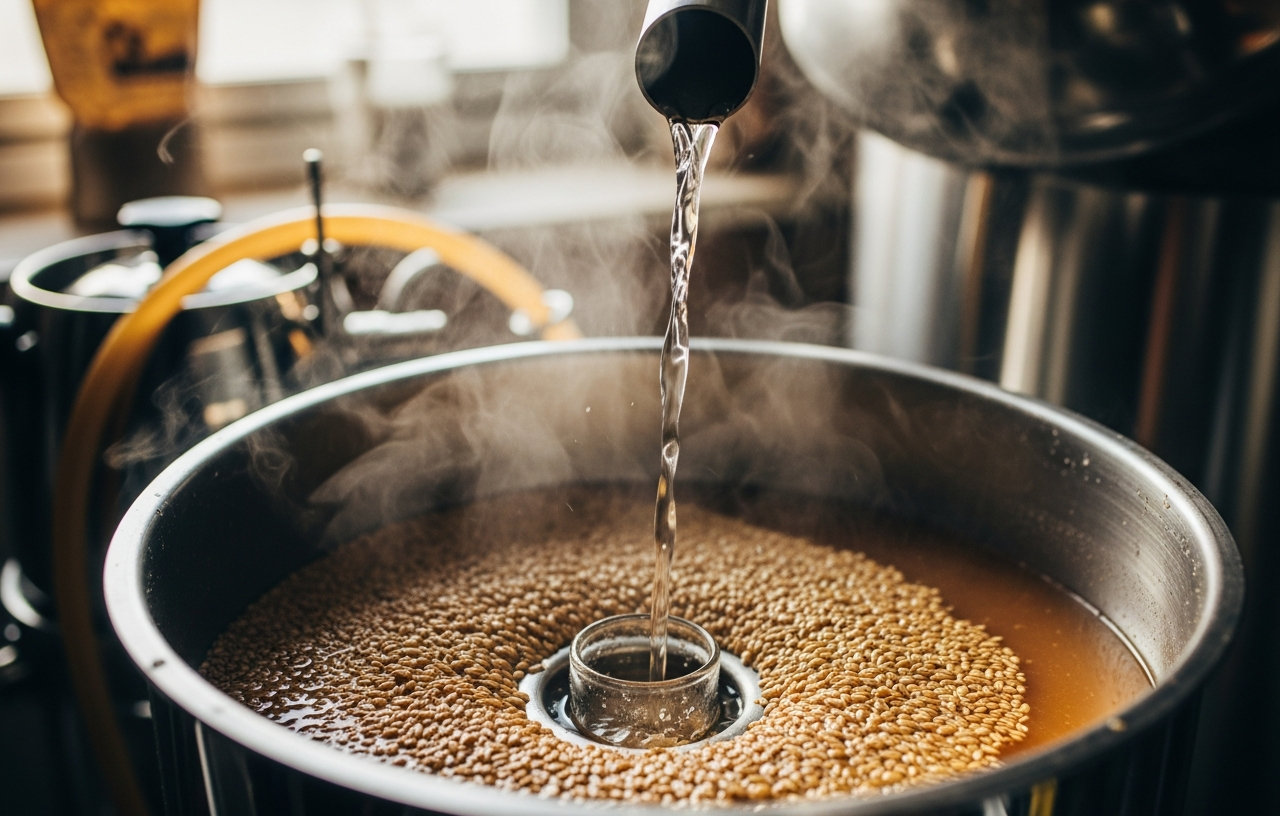
Sparge is the process of rinsing the spent grain bed with hot water to extract fermentable sugars during all-grain beer brewing. This step is essential for achieving optimal efficiency and ensuring a good yield of wort. Understanding proper sparging techniques helps prevent common brewing issues like low gravity or astringency in the final beer.
· 9 min read
Inkbird ITC-308 Temperature Too High? Troubleshooting Your Controller
Beer Equipment

Inkbird ITC-308 Temperature Too High? Troubleshooting Your Controller

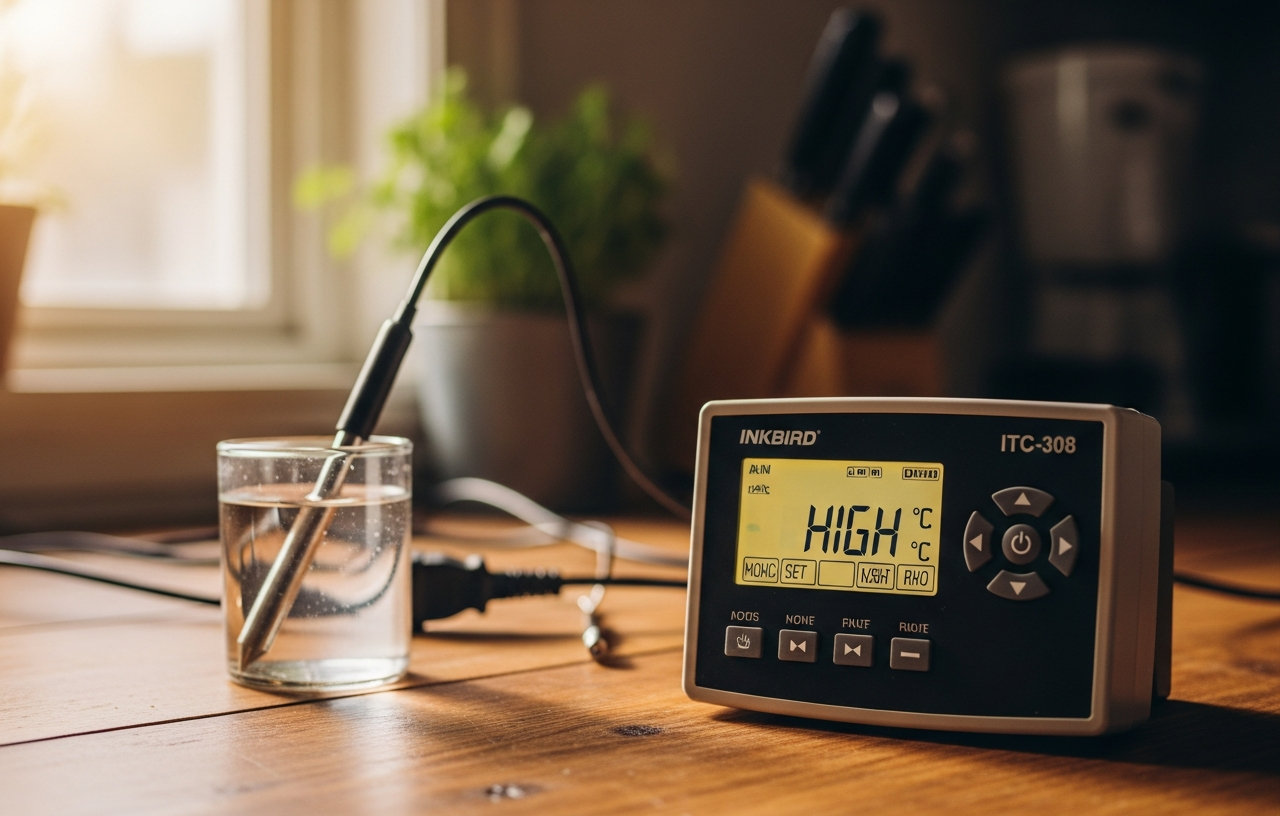
A rapidly rising temperature displayed on your Inkbird ITC-308, especially when your fermentation chamber should be cooling, signals a problem. This issue can jeopardize your homebrew, leading to off-flavors or a stuck fermentation. Discover the most common causes and how to fix them, from sensor placement to controller settings.

· 10 min read
Cleaning and Storing Fermentation Vessels Safely
Fermentation Essentials

Cleaning and Storing Fermentation Vessels Safely

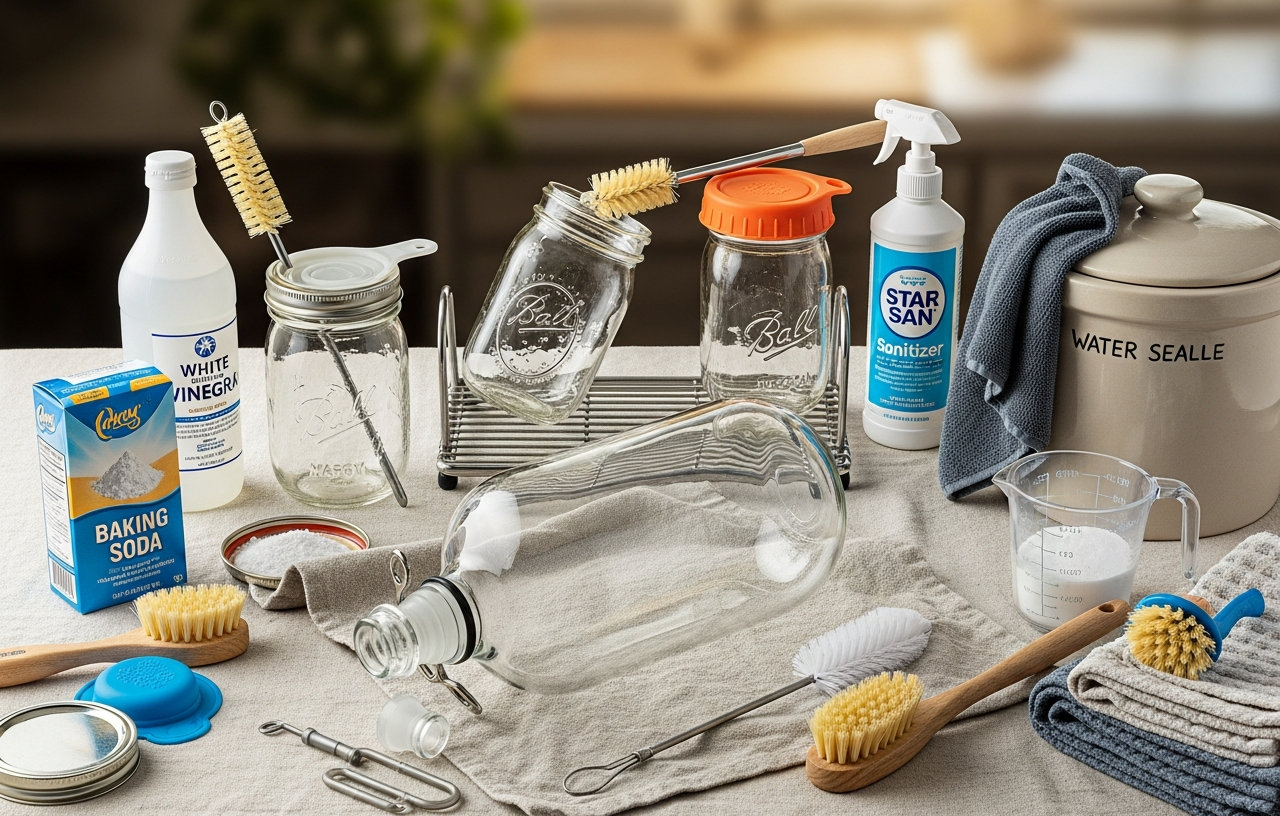
Residual sugars and yeast sediment left in a fermentation vessel can harbor unwanted bacteria, ruining your next batch of beer, wine, or kombucha. Proper cleaning and storage prevent contamination and extend the life of your equipment. This guide details effective methods to keep your vessels pristine.

· 7 min read

Latest Articles

What is a Sparge in Beer Brewing? A Core All-Grain Step
Beer Equipment

What is a Sparge in Beer Brewing? A Core All-Grain Step

Sparge is the process of rinsing the spent grain bed with hot water to extract fermentable sugars during all-grain beer brewing. This step is essential for achieving optimal efficiency and ensuring a good yield of wort. Understanding proper sparging techniques helps prevent common brewing issues like low gravity or astringency in the final beer.

· 9 min read
Inkbird ITC-308 Temperature Too High? Troubleshooting Your Controller
Beer Equipment

Inkbird ITC-308 Temperature Too High? Troubleshooting Your Controller

A rapidly rising temperature displayed on your Inkbird ITC-308, especially when your fermentation chamber should be cooling, signals a problem. This issue can jeopardize your homebrew, leading to off-flavors or a stuck fermentation. Discover the most common causes and how to fix them, from sensor placement to controller settings.

· 10 min read
Cleaning and Storing Fermentation Vessels Safely
Fermentation Essentials

Cleaning and Storing Fermentation Vessels Safely

Residual sugars and yeast sediment left in a fermentation vessel can harbor unwanted bacteria, ruining your next batch of beer, wine, or kombucha. Proper cleaning and storage prevent contamination and extend the life of your equipment. This guide details effective methods to keep your vessels pristine.

· 7 min read
Best Budget CO2 Regulators for Homebrewing: Affordable Draft Control
Kegging & Serving

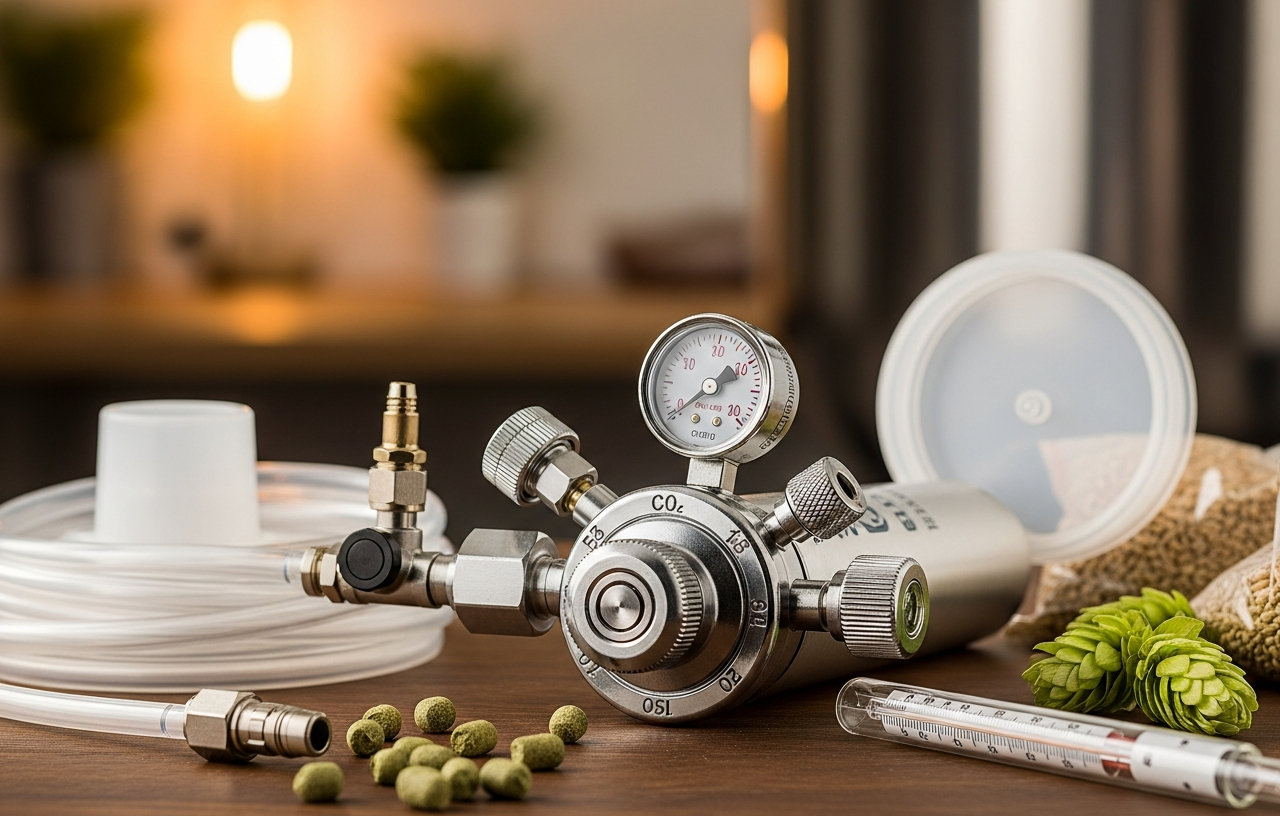
Best Budget CO2 Regulators for Homebrewing: Affordable Draft Control

Achieving consistent carbonation and serving pressure for your homebrew requires a reliable CO2 regulator. This guide reviews top budget-friendly options, helping you select a regulator that offers precision and durability without a high cost. Discover how to maintain perfect beer, kombucha, or soda on tap.

· 10 min read
Kombucha Pellicle Not Forming? Troubleshooting Your SCOBY
Kombucha Gear

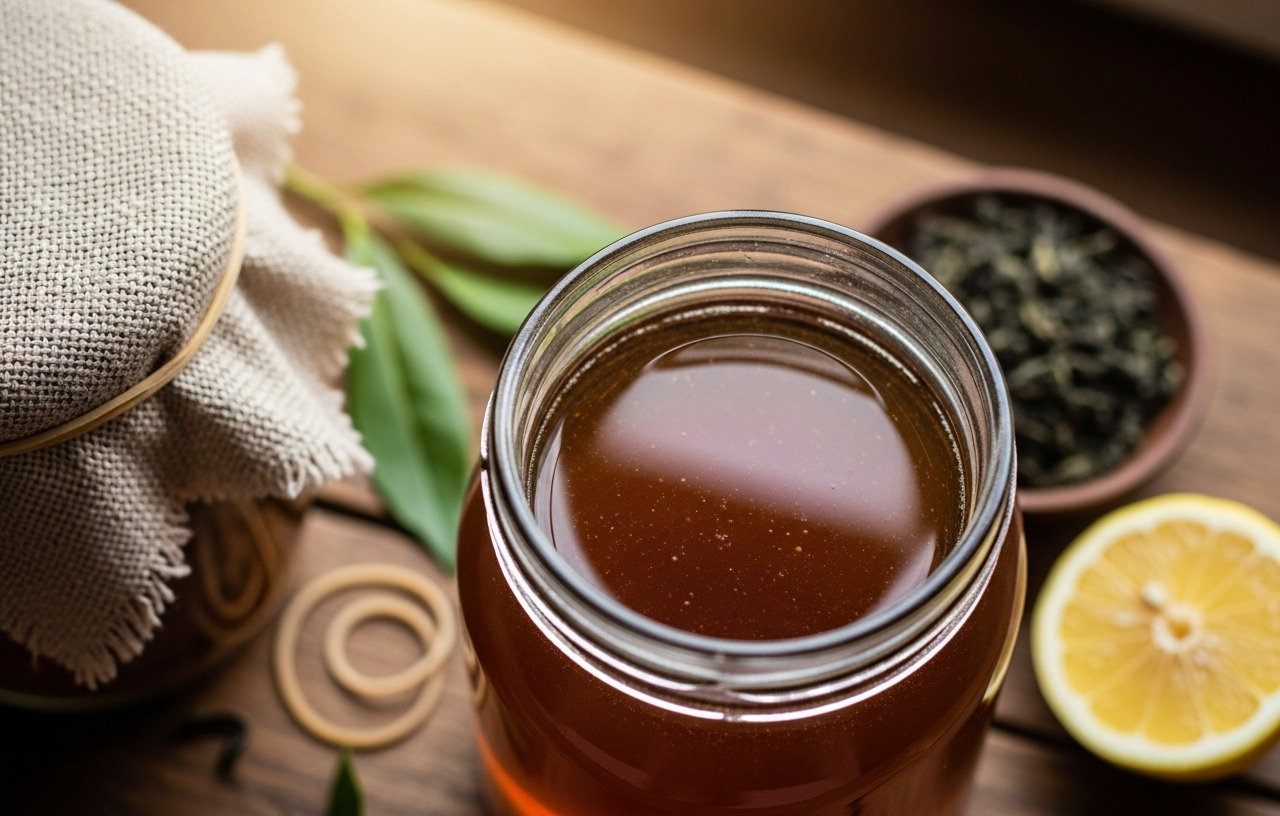
Kombucha Pellicle Not Forming? Troubleshooting Your SCOBY

Observing no pellicle, or a very thin one, on the surface of your kombucha brew typically points to three main issues: incorrect temperature, an inactive SCOBY, or an imbalance in your starter tea to sweet tea ratio. This guide helps you diagnose and fix why your kombucha pellicle is not forming. Learn simple tests and solutions to get your fermentation back on track.

· 9 min read
Wine Yeast vs. Champagne Yeast: Choosing the Right Fermentation
Wine & Mead

Wine Yeast vs. Champagne Yeast: Choosing the Right Fermentation

Selecting the correct yeast is essential for a successful homebrew, directly impacting flavor, alcohol content, and fermentation speed. This guide helps you choose between wine yeast, champagne yeast, or even distiller's yeast. We also recommend Fermax Yeast Nutrient as a top pick for ensuring any yeast performs optimally.

· 7 min read
Kegging System Cost: From Basic to Premium Draft Setups
Kegging & Serving

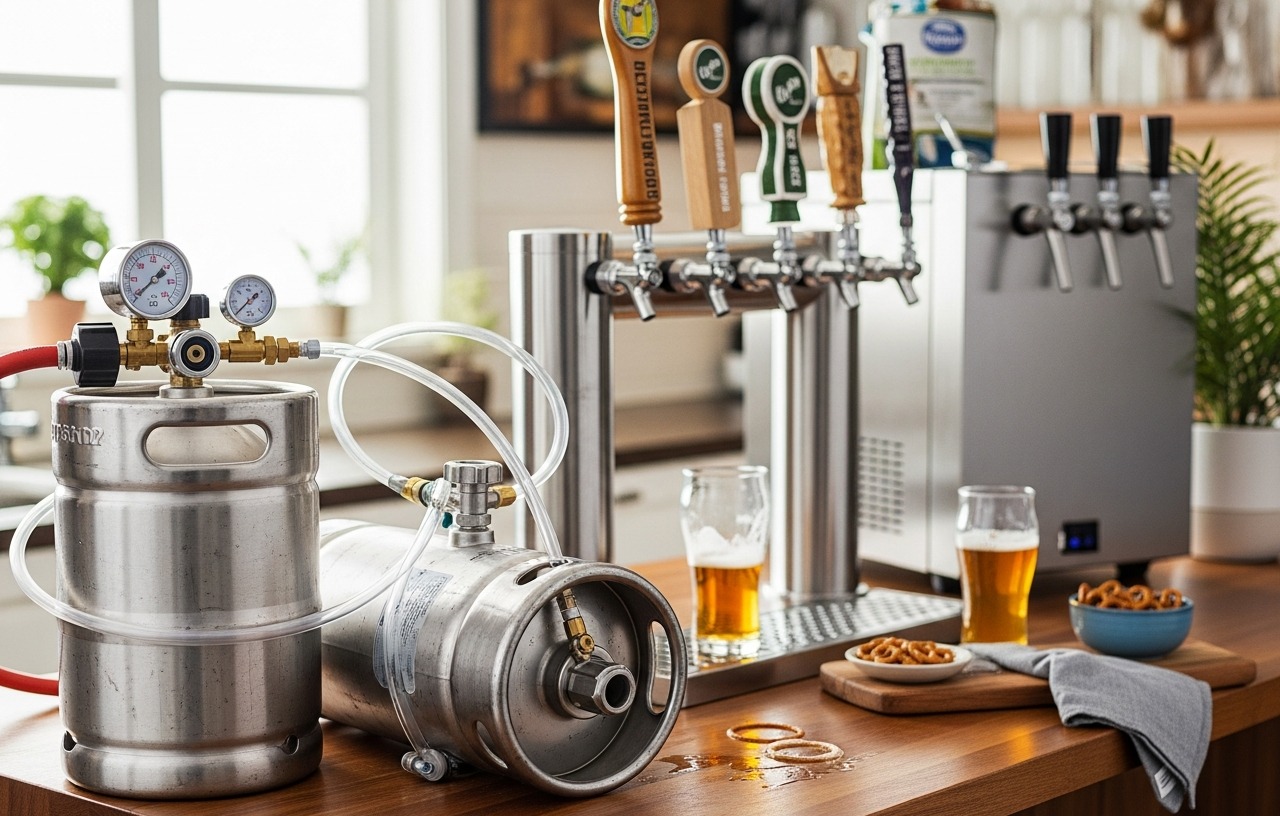
Kegging System Cost: From Basic to Premium Draft Setups

Setting up a home kegging system can range from $300 for a basic starter kit to over $1,500 for a multi-tap professional setup. This guide breaks down the expenses associated with various components, including kegs, CO2 tanks, regulators, and dispensing hardware. Understand where to save money and when to invest in higher-quality gear for your homebrew.

· 7 min read
Starter Wort Chiller vs. Immersion Chiller: Which Cools Best?
Beer Equipment

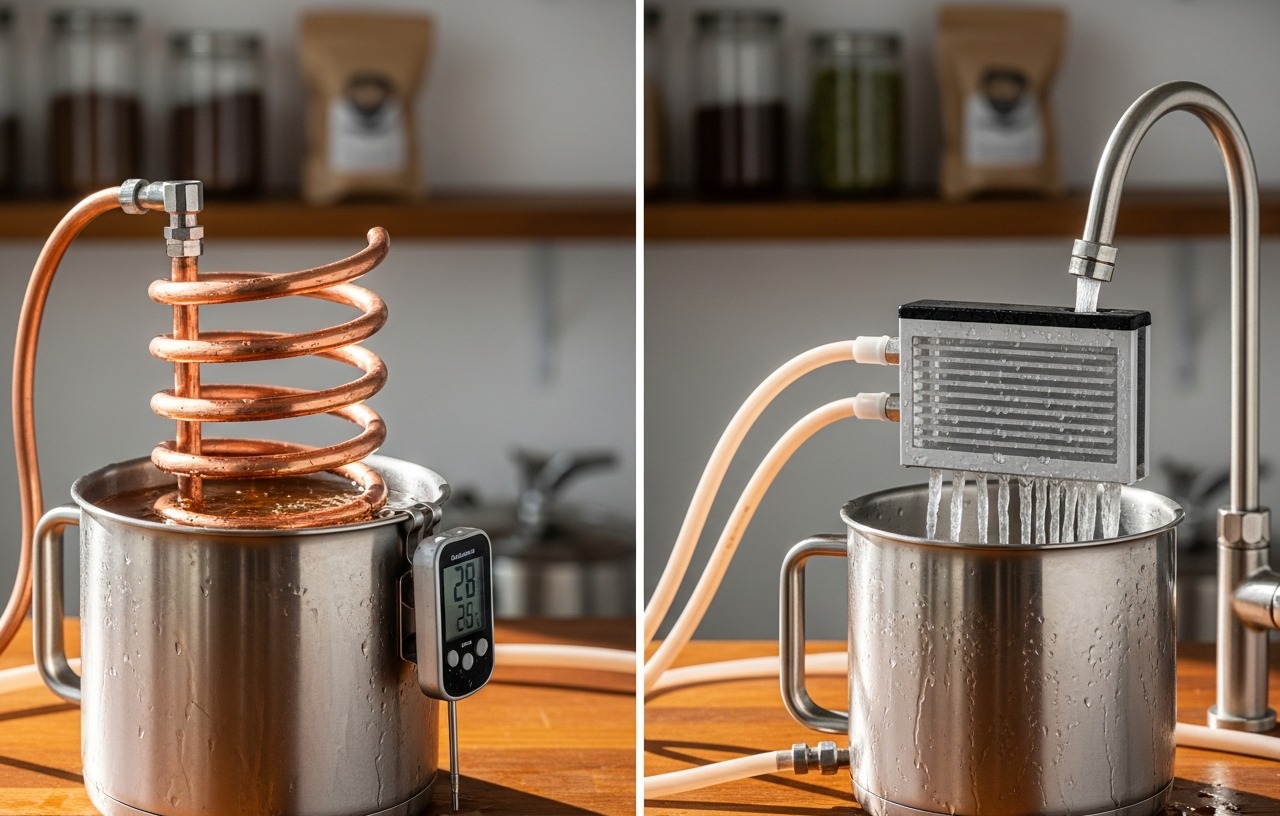
Starter Wort Chiller vs. Immersion Chiller: Which Cools Best?

Rapidly cooling wort after the boil is not optional for quality homebrewing. It prevents bacterial contamination, minimizes off-flavors, and helps achieve a good 'cold break' for clearer beer. This comparison helps you choose between immersion and plate wort chillers, highlighting their differences in speed, cleaning, and overall brewing experience.

· 10 min read
Best Homebrew Hydrometer Guide & How to Use It
Fermentation Essentials

Best Homebrew Hydrometer Guide & How to Use It

A hydrometer is essential for monitoring fermentation, but choosing and using one can seem complex. This guide covers what specs matter, red flags to avoid, and how to compare options for accurate readings. Learn to measure your brew's progress effectively and understand its long-term cost of ownership.

· 12 min read
Bottle Conditioning Beer: Tips for Clear Results
Kegging & Serving

Bottle Conditioning Beer: Tips for Clear Results

Achieving clear, sediment-free beer after bottle conditioning is a common goal for homebrewers. This guide details the methods and techniques to minimize haze and yeast residue in your finished bottles, ensuring a professional presentation and enjoyable drinking experience.

· 12 min read
Mash Tun Explained: The Heart of All-Grain Brewing
Beer Equipment

Mash Tun Explained: The Heart of All-Grain Brewing

A mash tun is the vessel where the magic of converting starches into fermentable sugars happens during all-grain brewing. Understanding its function is key to achieving consistent and high-quality beer. This article breaks down what a mash tun is, what it does, and why it is central to the all-grain brewing process.

· 10 min read